
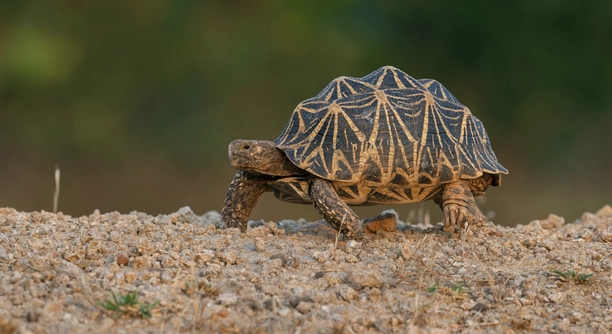
Taking care of a pet turtle can be a rewarding experience, but it also comes with its challenges. Stress in turtles can affect their health and well-being, making it important to address the causes of their anxiety.
To reduce stress in pet turtles, it’s essential to provide a stable environment, maintain proper water conditions, offer appropriate food, and give them plenty of space to roam. Keeping a consistent routine also helps them feel secure.
By making simple changes to your turtle’s habitat and routine, you can create a calm environment that promotes their happiness and health.
Create a Calm Environment
Turtles are sensitive to changes in their surroundings, so it’s essential to keep their environment stable. Sudden shifts in temperature, lighting, or noise can easily stress them out. Start by setting up a consistent habitat with the right tank size, temperature, and lighting. The water temperature should be warm, but not too hot. It’s best to keep a consistent day-night cycle with proper UVB lighting for their health. Avoid loud sounds or sudden movements near their tank, as these can make them nervous. A peaceful, predictable environment helps your turtle feel at ease.
A clean and quiet habitat can make a big difference in reducing stress for your turtle. Ensure their tank is kept in a calm area of your home, away from distractions.
Turtles also enjoy hiding places in their habitat. Adding plants, rocks, or even a small shelter can help your pet feel safe and secure. This reduces stress by giving them spots to retreat to when they feel threatened. It also mimics their natural environment, making them feel more comfortable. Creating a safe space for your turtle will allow them to relax and adapt to their home.
Monitor Water Quality
The quality of water in your turtle’s tank plays a big role in reducing stress. Dirty water can irritate their skin and shell, making them uncomfortable. It’s important to clean the tank regularly and filter the water to keep it fresh.
Turtles are sensitive to water pollutants like ammonia and chlorine. Keeping their water clean helps maintain a healthy and low-stress environment.
Provide a Balanced Diet
Feeding your turtle the right foods can reduce stress by ensuring they stay healthy and well-nourished. A balanced diet includes both plant-based and animal-based foods. Avoid overfeeding, as too much food can cause health problems and stress. Stick to a consistent feeding schedule.
Offering a variety of food will keep your turtle from getting bored with their meals. Some turtles enjoy leafy greens like lettuce or kale, while others prefer high-protein foods like insects or small fish. It’s also important to supplement their diet with calcium to keep their shells strong. Proper nutrition is a key part of stress reduction for your pet.
Be sure to remove any uneaten food from the tank after feeding. Leaving food in the water can pollute the environment and lead to stress. Regularly check the food quality to ensure it remains fresh and healthy. Keeping your turtle’s diet varied and balanced promotes good health and helps reduce stress.
Ensure Enough Space to Move
Turtles need space to roam and explore, and cramped conditions can cause stress. Ensure your turtle’s tank is large enough for them to swim, bask, and move around freely. If your turtle is kept in a small enclosure, they may feel trapped and anxious.
In addition to tank size, offer plenty of places to climb or bask. Turtles enjoy lounging under a heat lamp to regulate their body temperature. Be sure there’s room for them to bask without feeling crowded. When turtles are given the freedom to move around, they feel more secure, which helps reduce stress. It’s essential to balance their need for open water space with areas for resting and hiding.
Maintain a Consistent Routine
Turtles thrive on routine. They feel more secure when their daily environment and schedule stay predictable. Regular feeding times, tank cleaning, and even consistent interaction can help reduce anxiety. Keeping things steady in their world promotes a calmer, healthier pet.
Stress can arise when their routine is constantly interrupted. Try to keep feeding and cleaning times the same each day. This predictability helps turtles adjust and lowers stress levels. Sudden changes or inconsistent care might make your turtle anxious, so sticking to a routine will improve their overall well-being.
Avoid Handling Too Much
Turtles aren’t as social as some other pets and can become stressed with too much handling. While occasional gentle interaction is fine, frequent handling can make them anxious. Let your turtle have plenty of time to rest and adjust to its environment.
It’s important to understand that turtles need space to feel comfortable. Limit handling to prevent stress, especially if they are new to your care. Frequent touching can make them feel threatened, so only interact with them when necessary. This will keep them from becoming overstimulated and anxious.
FAQ
What are the signs of stress in pet turtles?
Turtles show signs of stress through changes in behavior or appearance. You might notice them becoming more inactive, hiding more often, or swimming erratically. Stress can also cause changes in eating habits, like loss of appetite or overeating. If your turtle starts to scratch or bite at its shell, it could be a sign of discomfort or stress. Additionally, a stressed turtle may bask excessively or try to escape the tank. Always observe your turtle’s behavior closely to spot any signs early.
How can I help my turtle adjust to a new tank?
When introducing a turtle to a new tank, it’s important to make the environment as familiar as possible. Keep the water temperature, lighting, and habitat features similar to the turtle’s previous setup. Allow your turtle time to adjust by minimizing interactions during the first few days. Let them explore their new space at their own pace. Gradually introduce your turtle to new elements or changes in the tank so they don’t feel overwhelmed. Patience is key, as it may take time for your pet to feel comfortable.
Can stress affect my turtle’s health?
Yes, prolonged stress can have a negative impact on your turtle’s health. It can weaken their immune system, making them more susceptible to diseases or infections. Chronic stress can also lead to skin and shell problems, like infections or shell rot. If your turtle is constantly stressed, it may also stop eating, which can lead to malnutrition and other health issues. Ensuring a stress-free environment is important for their long-term health and happiness. Regularly monitor your turtle’s condition and consult a vet if you notice signs of stress.
Is it normal for turtles to bask a lot?
Basking is completely normal and an essential behavior for turtles. Turtles bask to regulate their body temperature and absorb UVB rays, which are necessary for their health. However, excessive basking can be a sign of stress if it’s paired with other unusual behaviors, such as hiding or lack of appetite. If your turtle is basking too much, make sure their environment is comfortable and not too hot. Check if they have enough water space to swim, as they may be trying to escape the water if it’s not clean or the right temperature.
How often should I clean my turtle’s tank?
A clean tank is crucial to preventing stress and keeping your turtle healthy. Regular cleaning is necessary, but how often you clean depends on the size of the tank and the number of turtles you have. As a general rule, clean the tank completely every 2 to 4 weeks. Perform smaller maintenance tasks, such as changing the water and removing uneaten food or waste, weekly. Make sure the filter is working properly and change it as needed. A well-maintained tank will reduce stress by keeping your turtle’s environment healthy.
Can I keep multiple turtles together in the same tank?
It is possible to keep multiple turtles in the same tank, but it depends on the species and their temperament. Some turtles are more social and can coexist peacefully, while others may become territorial and aggressive. If you plan on housing multiple turtles, make sure the tank is large enough to accommodate them comfortably. Provide plenty of hiding spots and basking areas so they don’t feel overcrowded. Monitor their interactions closely, especially when they are first introduced. Aggression or signs of stress should be addressed immediately.
What should I do if my turtle isn’t eating?
If your turtle isn’t eating, it could be a sign of stress or health issues. First, check if the water temperature is appropriate and the environment is clean. Sometimes turtles won’t eat if they’re stressed by changes in their surroundings. If everything seems normal but your turtle still refuses food, try offering different types of food to see if they have a preference. If the lack of appetite persists for more than a few days, it’s important to consult a veterinarian, as this could indicate a more serious health problem.
How can I tell if my turtle’s shell is healthy?
A healthy turtle shell should be smooth, clean, and free from any cracks or discoloration. If the shell looks soft, dented, or has any noticeable abnormalities, it could be a sign of illness. Make sure the turtle’s diet includes enough calcium to keep its shell strong. Additionally, ensure that the tank’s water conditions are optimal, as poor water quality can lead to shell problems. Regularly inspect your turtle’s shell for signs of fungus or rot. If you notice any issues, it’s important to seek veterinary care.
Why does my turtle swim in circles?
Swimming in circles can be a sign of stress or poor water conditions. If your turtle is swimming in circles or showing signs of erratic movement, check the water temperature, cleanliness, and filtration system. Sometimes, turtles swim in circles when they are trying to escape an environment that feels uncomfortable. If the water quality is good and your turtle is still swimming in circles, it could be stressed due to other factors, such as lack of space or too much handling. Observe their behavior and make adjustments to their habitat as needed.
How can I reduce the chances of my turtle getting sick?
To reduce the chances of your turtle getting sick, provide a clean, well-maintained environment with proper water temperature, UVB lighting, and filtration. A balanced diet rich in vitamins and calcium is essential for their overall health. Regularly monitor your turtle’s behavior and appearance to catch any signs of illness early. Minimize stress by maintaining a consistent routine and avoiding unnecessary handling. Regular tank cleaning and proper hygiene will also help prevent the spread of bacteria or parasites. If your turtle shows signs of illness, visit a vet as soon as possible.
Final Thoughts
Taking care of a pet turtle involves more than just providing food and water. It’s important to create an environment where they feel comfortable and safe. Stress in turtles can lead to serious health issues, so understanding the factors that contribute to stress is crucial. By paying attention to their habitat, diet, and routine, you can help ensure your turtle remains healthy and happy.
A stable and clean environment is key to reducing stress. Regularly check the water quality and temperature, and make sure there’s enough space for your turtle to move freely. Keeping the tank clean and providing hiding spots or basking areas will help your turtle feel secure. Turtles are creatures of habit, so maintaining a consistent routine in feeding and care will also reduce anxiety. These small efforts will make a big difference in how your turtle feels in its home.
Remember, turtles are not as interactive as some other pets, and they need time to themselves. Over-handling them or disturbing their space can cause unnecessary stress. While they may not require constant attention, it’s important to check on them regularly to ensure they are in good health. With the right care and attention, your turtle can live a long, stress-free life. Just be patient and observant, and you’ll create an environment that supports their well-being.

Hello,
If you enjoy the content that we create, please consider saying a "Thank You!" by leaving a tip.
Every little bit helps us continue crafting quality advice that supports the health, happiness, and well-being of pets around the world, for pets of all shapes, sizes, and species.
We really appreciate the kindness and support that you show us!