
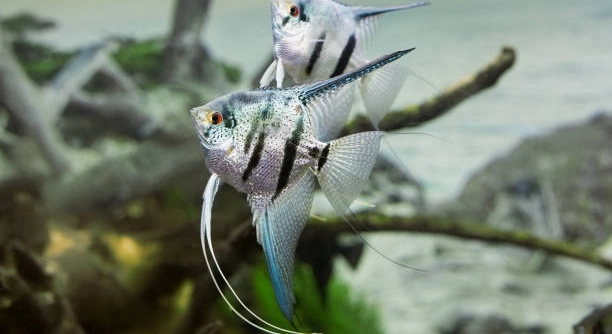
Introducing angelfish to a new tank can be a stressful experience for both the fish and the owner. Reducing this stress is essential for their well-being and health. Understanding the factors that contribute to stress can help manage it effectively.
Providing a proper environment, ensuring water quality, and minimizing aggression are key to reducing stress in newly introduced angelfish. Gradual acclimation, appropriate tank mates, and maintaining a stable habitat can promote a smoother transition for your fish.
With these methods, you can create a healthier environment for your angelfish, ensuring they thrive in their new home.
Proper Acclimation Process
When introducing angelfish to a new tank, it’s crucial to avoid sudden temperature and water changes. Rapid shifts can cause stress, making it difficult for them to adjust. A gradual acclimation process ensures that the fish adapt to their new environment without unnecessary strain. Start by floating the bag with your angelfish in the tank to equalize the temperature. After about 15 to 20 minutes, slowly add small amounts of tank water to the bag to help the fish adjust to the new water conditions. This method reduces shock and allows the angelfish to feel more comfortable in their new space.
To help prevent water temperature and chemistry shocks, allow the fish at least an hour to gradually adjust to the tank water. Slowly adding small portions of tank water reduces the risk of stressing them out.
By taking this simple but vital step, the fish will have a much smoother transition to their new home. Acclimation is crucial for maintaining their health and promoting calmness.
Maintaining Optimal Water Quality
Water quality plays a large role in the comfort and health of angelfish. Keeping your tank’s water conditions stable helps reduce stress. Regular testing for ammonia, nitrate, and pH levels is essential. Ensure the water temperature is consistent between 75°F and 80°F. Any fluctuations can cause unnecessary stress, making it harder for the fish to settle. Clean the tank regularly and perform partial water changes as needed to maintain healthy conditions. You can also use a good filtration system to help keep the water clean and oxygenated.
Fish experience less stress when they are in water that mimics their natural habitat. Check the water parameters often to ensure they stay consistent. This creates a stable and comfortable environment for your angelfish. By maintaining proper water quality, your fish will adjust more easily to their new home.
Proper Tank Setup
A well-organized tank is vital for reducing angelfish stress. Provide plenty of hiding spaces with plants and decorations, allowing them to feel secure. Make sure the tank has adequate swimming space, as overcrowding can lead to anxiety. The tank should be at least 20 gallons for a pair of angelfish.
Proper tank setup includes arranging decorations that provide shelter without obstructing movement. Angelfish thrive in a tank that mimics their natural environment, so add live plants like Anubias or Java Ferns. Use smooth, non-abrasive substrates and ensure the filtration system works efficiently.
Angelfish are territorial, so avoid placing them near aggressive species. When introducing them to a new tank, it’s best to reduce the number of aggressive tank mates. A peaceful environment with minimal competition for space or food can ease stress for your angelfish.
Tank Mates and Social Interaction
Choosing suitable tank mates is critical for minimizing stress. Aggressive fish can cause angelfish to hide, leading to unnecessary anxiety. Ideally, pair them with peaceful species like tetras or corydoras. Avoid keeping them with fin-nippers or overly active fish.
When selecting tank mates, consider fish that occupy different areas of the tank. Angelfish prefer the middle to upper levels, so choose species that swim near the bottom or in the background. This minimizes direct competition and stress.
Ensure all the fish have enough space to establish territories without feeling crowded. This balance of peaceful tank mates and ample space encourages calm and reduces the likelihood of stress-related behaviors in angelfish.
Consistent Lighting
Angelfish thrive under consistent lighting conditions. Avoid sudden changes in light intensity or duration, as this can cause confusion and stress. Aim for a light cycle of 10 to 12 hours per day. Too much light can make them anxious, while too little may disturb their natural rhythms.
Set up a timer for the lighting system to ensure a steady day and night cycle. This helps reduce stress by mimicking natural light conditions. It’s important to avoid direct sunlight, as it can cause temperature fluctuations and algae growth, leading to poor water quality.
Water Temperature Stability
Stable water temperature is essential for angelfish comfort. Fluctuations can lead to stress, weaken their immune system, and make them more prone to illness. Aim for a steady temperature between 75°F and 80°F.
Invest in a quality heater with a thermostat to ensure water stays within this range. Regularly check the temperature with a reliable thermometer. Keeping the temperature stable helps your angelfish adjust more easily to their new environment and stay healthy.
Feeding Habits
Feeding your angelfish the right amount of food is crucial. Overfeeding can lead to poor water quality, while underfeeding can cause stress. Offer food in small amounts, once or twice a day, and remove uneaten food to prevent it from decomposing.
Choose high-quality, varied foods like flakes, pellets, and live or frozen options. A balanced diet supports the health and well-being of your angelfish, reducing stress.
FAQ
How do I know if my angelfish is stressed?
Signs of stress in angelfish include unusual swimming behavior, such as swimming erratically or hiding excessively. You may also notice changes in appetite or aggression toward tank mates. Their colors may fade, and their fins might appear clamped or less active than usual. Regular observation of their behavior will help identify stress early.
What can cause stress in angelfish?
Stress in angelfish can be triggered by various factors, such as sudden changes in water temperature, poor water quality, or overcrowding. Aggressive tank mates and inadequate tank space also contribute to stress. Additionally, loud noises, vibrations, or drastic changes in the environment can cause anxiety in angelfish.
How often should I change the water for angelfish?
Water changes should be done every 1 to 2 weeks, but this can vary depending on the tank size and filtration system. A 25-30% water change is recommended to maintain good water quality. If you notice any issues like cloudy water or ammonia spikes, you may need to change the water more frequently.
Can angelfish live with other fish?
Yes, angelfish can live with other fish, but it’s important to choose peaceful tank mates. Avoid fin-nippers and aggressive species, as they can stress your angelfish. Good companions include tetras, corydoras, and other peaceful fish that don’t compete for the same territory or food.
Do angelfish need a filter?
Yes, angelfish require a filter to keep the water clean and well-oxygenated. A filter helps remove waste, uneaten food, and toxins, ensuring a healthier environment for your angelfish. A filter also helps maintain water parameters like pH and ammonia levels, which are vital for the fish’s health.
What type of tank setup is best for angelfish?
Angelfish prefer a tank with plenty of swimming space and hiding spots. They thrive in a tank with live plants, smooth rocks, and driftwood, which provides shelter and security. The tank should be at least 20 gallons for a pair of angelfish to ensure they have enough space to swim and establish territories.
How can I reduce aggression between angelfish?
To reduce aggression, provide enough space in the tank for each angelfish to establish its territory. If possible, introduce them to the tank at the same time to prevent territorial disputes. Avoid overcrowding and ensure the tank is decorated with plenty of hiding spots and plants.
Can angelfish live in a community tank?
Yes, angelfish can live in a community tank, but it’s crucial to choose tank mates carefully. Angelfish are semi-aggressive and can sometimes pick on smaller or slower fish. Peaceful species such as tetras, guppies, and plecos are good companions for angelfish, as long as the tank has sufficient space.
What should I feed my angelfish?
Angelfish should be fed a varied diet to maintain their health. Offer high-quality flakes or pellets, supplemented with live or frozen foods such as brine shrimp or bloodworms. This ensures they receive all the necessary nutrients, including protein, vitamins, and minerals, to stay active and healthy.
Why are my angelfish not eating?
There could be several reasons why angelfish aren’t eating, including stress, poor water quality, or illness. Check the water parameters to ensure they are within the appropriate range. If the environment is stable and clean, but the fish still refuses to eat, it could indicate a health issue, such as parasites or a digestive problem.
How can I prevent my angelfish from jumping out of the tank?
Angelfish may jump out of the tank if they feel stressed or if the water quality is poor. To prevent this, make sure the tank has a secure lid or cover. If you notice your angelfish behaving erratically near the surface, ensure the water conditions are optimal and reduce stressors in the tank.
How do I care for newly introduced angelfish?
Newly introduced angelfish need extra care and attention. Follow a gradual acclimation process, monitor their behavior for signs of stress, and ensure the water parameters are optimal. Avoid aggressive tank mates and provide plenty of hiding spaces. With proper care, your new angelfish will settle into their new home.
Is it okay to keep angelfish in a smaller tank?
While angelfish can live in smaller tanks, it’s best to keep them in a tank of at least 20 gallons to ensure they have enough space to swim and thrive. A larger tank provides more stable water conditions and helps prevent aggression between tank mates.
How do I know if my angelfish is healthy?
Healthy angelfish should have vibrant colors, clear eyes, and active swimming behavior. Their fins should be fully extended, and they should interact with tank mates without showing signs of aggression or retreating to corners. Regularly check for any signs of disease, such as unusual spots or lesions.
Final Thoughts
Creating the ideal environment for your angelfish is key to keeping them healthy and stress-free. A stable tank setup with proper water conditions, temperature, and lighting can significantly improve your angelfish’s well-being. By providing adequate space and suitable tank mates, you can avoid many of the common stressors that affect angelfish. Regular maintenance, such as water changes and monitoring water quality, also plays a crucial role in their comfort and health.
It’s important to remain attentive to the behavior and needs of your angelfish. Stress can be a result of many factors, including overcrowding, aggressive tank mates, or fluctuating water conditions. Keeping the tank clean and ensuring the fish have enough food and space to swim will go a long way in reducing stress. By being consistent with feeding and tank maintenance, you can create a more peaceful and safe environment for your fish.
In conclusion, caring for angelfish requires patience and attention to detail. Understanding their needs and providing a stable and peaceful environment is essential for their well-being. Whether you’re new to fishkeeping or an experienced hobbyist, following these simple guidelines can help you enjoy healthy, happy angelfish.

Hello,
If you enjoy the content that we create, please consider saying a "Thank You!" by leaving a tip.
Every little bit helps us continue crafting quality advice that supports the health, happiness, and well-being of pets around the world, for pets of all shapes, sizes, and species.
We really appreciate the kindness and support that you show us!