
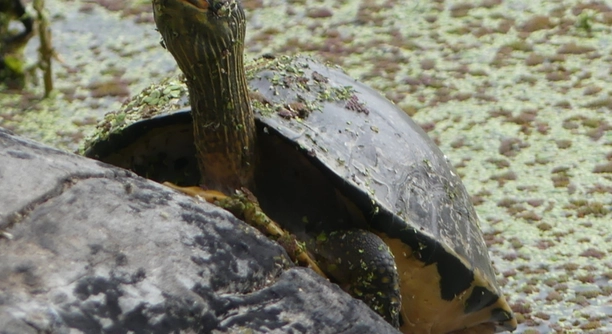
Indian Roofed Tortoises are known for their calm demeanor, but they can still experience stress. Understanding how to manage stress in these reptiles is essential for their overall well-being. This guide provides helpful tips.
Reducing stress in an Indian Roofed Tortoise involves creating a comfortable and secure environment. Factors such as appropriate habitat temperature, humidity, and regular feeding can help mitigate stress. Additionally, minimizing loud noises and sudden changes promotes relaxation.
Making simple adjustments to your tortoise’s environment can greatly improve its comfort and reduce stress.
Creating a Comfortable Habitat for Your Tortoise
The habitat plays a crucial role in reducing stress for your Indian Roofed Tortoise. Ensure the enclosure is spacious enough for the tortoise to move around comfortably. Include hiding spots, such as caves or wooden structures, where the tortoise can retreat and feel secure. The enclosure should be kept at a temperature between 85-90°F (29-32°C) during the day, with a slight drop at night to mimic natural conditions. The substrate should be dry, such as coconut coir or orchid bark, to maintain proper humidity levels without making the space too damp.
Providing a proper basking spot is key for their well-being. Set up a heat lamp in one corner of the enclosure, making sure it doesn’t overheat the space. A basking spot allows your tortoise to regulate its body temperature and get the essential UVB rays they need.
Regular cleaning of the enclosure is essential to prevent bacterial buildup and odors. Clean the water dish, remove waste, and replace bedding as needed to maintain a healthy environment.
Offering a Balanced Diet
Feeding your tortoise the right food helps reduce stress and promotes its health. A diet high in fiber, such as leafy greens and occasional fruits, is essential for digestion. Always avoid high-protein foods like animal products, as they can stress the tortoise’s system. Regular feeding times also create a predictable routine, which helps your tortoise feel more secure.
Healthy eating habits not only support the tortoise’s physical well-being but also encourage a more stable emotional state.
Providing Proper Lighting
Ensure your tortoise receives enough natural sunlight or UVB lighting to help with calcium absorption. Without it, they may become stressed and develop health issues. UVB light should be on for about 10-12 hours a day to mimic the natural day/night cycle.
UVB bulbs need to be replaced regularly as their effectiveness decreases over time. Even if the bulb still emits light, it may not provide the proper UVB rays. You can place the bulb around 6-12 inches from the basking area to maximize exposure. This will keep your tortoise active and help prevent stress caused by poor nutrition or weak bones.
Be mindful of the temperature in the area under the light. It should be warm enough for your tortoise to bask but not so hot that it becomes uncomfortable. Overheating can cause stress, while insufficient warmth can lead to sluggish behavior.
Reducing Noise and Disturbance
Loud sounds and sudden movements can easily stress out an Indian Roofed Tortoise. Their sensitive hearing means that noisy environments or rapid changes in their surroundings can make them anxious. Keep the enclosure in a quiet area away from heavy foot traffic.
Avoid sudden movements around their enclosure, as this can cause them to feel threatened. The more predictable and calm their environment, the more relaxed your tortoise will feel. If you must move the enclosure or change its position, do so gradually. A slow adjustment period helps your tortoise adapt without feeling stressed.
Additionally, minimizing the presence of other pets can reduce the chance of stress. Other animals, especially louder or more active ones, can create a tense atmosphere, leading to anxiety in your tortoise. Keeping things calm and stable helps maintain their comfort.
Providing a Quiet, Safe Space
Your tortoise needs a space where it feels secure. Too much activity around its enclosure can cause unnecessary stress. Place the tank in a low-traffic area to help keep things calm.
The addition of hiding spots or shelters inside the enclosure can also help your tortoise retreat when it feels overwhelmed. Create a small, dark space where it can feel more protected.
Maintaining Proper Humidity Levels
Humidity is a key factor in your tortoise’s comfort. An environment that’s too dry can cause dehydration and stress, while too much moisture can lead to mold and bacteria. Maintain humidity at around 50-70%.
Use a humidity gauge to monitor the levels regularly. If necessary, lightly mist the enclosure or add a shallow water dish to maintain balance. Too much moisture can also lead to respiratory issues. Keeping it steady and controlled is important for their well-being.
Managing Temperature Fluctuations
Tortoises thrive in a consistent temperature range. Sudden temperature changes, whether from drafts or fluctuating room temperatures, can cause stress. Ensure your tortoise’s enclosure has a heat source to maintain a steady temperature.
Avoid placing the enclosure near vents, windows, or areas that are prone to temperature shifts. A consistent temperature provides a comfortable environment for your tortoise and reduces any stress related to temperature swings.
FAQ
What should I do if my Indian Roofed Tortoise is not eating?
If your tortoise stops eating, first check its environment. Ensure the temperature, humidity, and lighting are all within the proper range. Stress from improper habitat conditions can cause a loss of appetite. Additionally, make sure you’re offering a variety of food, such as leafy greens and occasional fruits. If the issue persists, a visit to the vet may be necessary, as it could indicate a health issue.
How often should I feed my Indian Roofed Tortoise?
Indian Roofed Tortoises typically eat every other day, though younger tortoises may need to eat more frequently. Offer fresh, leafy greens, such as dandelion greens or collard greens, and provide a variety of vegetables and fruits. It’s important to feed your tortoise at the same time each day to establish a routine.
Is it necessary to supplement my tortoise’s diet?
Yes, supplementing with calcium and vitamins is important to ensure your tortoise remains healthy. A calcium supplement should be dusted on its food, especially if it’s not receiving enough from its diet. Make sure the supplements are specifically made for reptiles. However, always avoid over-supplementing, as too much calcium can also cause problems.
How can I tell if my Indian Roofed Tortoise is stressed?
Signs of stress in a tortoise may include hiding more often, not eating, or acting lethargic. Physical symptoms such as rapid breathing or scratching at the enclosure walls can also indicate stress. These behaviors often stem from environmental factors, so check temperature, humidity, and lighting.
Can I keep more than one tortoise together?
Indian Roofed Tortoises are typically solitary animals and can become territorial. If you plan to keep multiple tortoises together, make sure there’s enough space in the enclosure for each one. Aggression or stress may arise if they feel crowded, so ensure each tortoise has its own area for basking, eating, and hiding.
What temperature should I maintain in my tortoise’s enclosure?
The ideal temperature range for an Indian Roofed Tortoise is between 85-90°F (29-32°C) during the day, with a drop to around 75°F (24°C) at night. Use a thermometer to monitor the temperature and adjust the heating source as needed. Too hot or too cold can cause stress and health issues.
How do I prevent my tortoise from becoming dehydrated?
Dehydration can be a concern for tortoises. Always provide fresh water in a shallow dish, and mist the enclosure to maintain proper humidity. Additionally, you can soak your tortoise in lukewarm water once a week for 20-30 minutes to help with hydration. This is particularly useful if you notice any signs of dehydration, such as dry, flaky skin.
Can I take my Indian Roofed Tortoise outside?
Yes, but only in safe, controlled environments. Outdoor time can be beneficial for providing natural sunlight and fresh air. However, be mindful of predators and ensure your tortoise has access to shade and a secure area to roam. Always supervise your tortoise when it’s outside.
What should I do if my tortoise’s shell is damaged?
A damaged shell should be addressed immediately. If the injury is minor, you can clean the wound with a mild antiseptic and apply a shell-safe antibiotic ointment. However, if the damage is severe, consult a vet as soon as possible. A damaged shell may require professional treatment to prevent infection.
Why is my tortoise not moving much?
Lack of movement can be a sign of stress, illness, or improper habitat conditions. First, check the environment to ensure it’s within the proper temperature and humidity range. If conditions are fine and your tortoise is still not moving, it may be suffering from a health issue and should be seen by a vet.
Can I give my tortoise fruits and vegetables?
Yes, fruits and vegetables can be offered as part of a balanced diet. Leafy greens should make up most of your tortoise’s meals, but adding small amounts of fruits like papaya or strawberries can be a nice treat. Always avoid offering too much fruit, as the sugar content can lead to health problems.
How often should I clean my tortoise’s enclosure?
Cleaning the enclosure once a week is generally recommended. Remove any waste, replace bedding, and clean water dishes regularly. If your tortoise’s habitat becomes particularly dirty, it may need to be cleaned more often. This helps prevent bacteria buildup, which could cause stress or health issues.
Can I use a regular light bulb for my tortoise’s basking spot?
Regular light bulbs do not provide the necessary UVB rays required for your tortoise’s health. It’s important to use a UVB bulb specifically designed for reptiles. These bulbs help your tortoise synthesize vitamin D3, which is essential for calcium absorption and bone health.
What size enclosure does my Indian Roofed Tortoise need?
The enclosure should be spacious enough to allow your tortoise to roam, bask, and hide. A 4×6 feet enclosure is a good size for an adult, while juveniles will need a smaller space. Ensure the enclosure has areas for both basking and cooling down, along with hiding spots for security.
How do I handle my tortoise safely?
Always handle your tortoise gently and with care. Avoid picking it up by its legs or tail. Instead, support its body with both hands, holding it under the shell. Keep handling sessions short, as too much stress can negatively impact its well-being.
Final Thoughts
Caring for an Indian Roofed Tortoise requires attention to detail and patience. The right habitat, diet, and overall care can help ensure your tortoise remains healthy and happy. Providing the proper environment with adequate space, temperature, and humidity is crucial for preventing stress and promoting well-being. Monitoring your tortoise’s behavior and health regularly will allow you to address any issues early.
Diet plays a significant role in the health of your tortoise. Offering a variety of fresh, leafy greens and occasional fruits will keep your tortoise well-nourished. Remember to also provide calcium and vitamin supplements, especially if its diet lacks certain nutrients. Hydration is another important factor, so make sure your tortoise always has access to fresh water. Regular soaking in lukewarm water can also help maintain proper hydration, particularly in drier conditions.
While caring for a tortoise can seem overwhelming at first, understanding its needs and providing the right environment can lead to a long, healthy life for your pet. A little effort goes a long way in ensuring your tortoise thrives. Keep your tortoise’s enclosure clean, its diet balanced, and its environment stable. With the right care, your Indian Roofed Tortoise will flourish and provide years of enjoyment as a pet.

Hello,
If you enjoy the content that we create, please consider saying a "Thank You!" by leaving a tip.
Every little bit helps us continue crafting quality advice that supports the health, happiness, and well-being of pets around the world, for pets of all shapes, sizes, and species.
We really appreciate the kindness and support that you show us!