
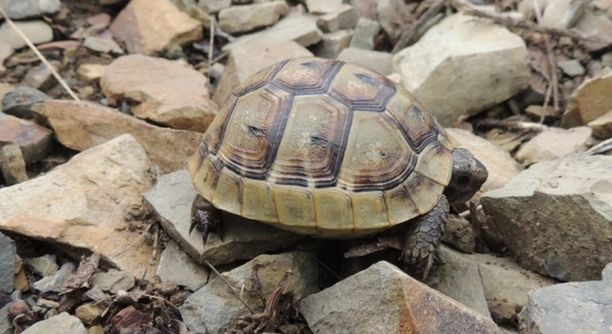
Caring for a Russian tortoise involves more than just feeding it and providing space. Like many pets, they can experience stress, which affects their health. Reducing this stress helps keep them happy and healthy in the long term.
One effective way to reduce stress in a Russian tortoise is by maintaining a stable environment. Ensuring that their habitat has consistent temperature, humidity, and lighting will significantly reduce stress levels, allowing the tortoise to feel secure and comfortable.
Understanding how to properly care for your tortoise will make a noticeable difference in their well-being. Implementing a few changes to their environment can help manage stress and improve their quality of life.
Provide a Proper Hiding Spot
Tortoises are naturally shy and secretive creatures, and they seek safety when feeling threatened. A proper hiding spot can significantly reduce stress by offering them a place to retreat when they feel vulnerable. Ensure that the shelter is placed in a quiet part of their habitat, where they can feel secure. A simple hide box or small log is often enough to provide them with the privacy they need. Make sure it is spacious enough for them to fit comfortably but not too large, as smaller spaces make them feel more secure.
This safe space helps them manage stress by allowing them to rest in an environment free from disturbances. Providing an area where your tortoise can retreat ensures they don’t feel overwhelmed by their surroundings.
Without proper hiding spots, your tortoise may develop anxiety or stress-related behaviors. Offering privacy will create a balanced environment, promoting relaxation. It’s essential to observe your tortoise and ensure that the hiding spot is being used appropriately to avoid unnecessary stress.
Control the Temperature
Temperature plays a crucial role in your tortoise’s comfort and stress levels. Make sure their habitat has a consistent temperature range. Russian tortoises thrive in moderate heat. The area should have a basking spot at around 90°F and a cooler zone of about 70°F.
Maintaining the right temperature will help regulate their activity levels. Stress from temperature fluctuations can cause discomfort, making them feel unsettled. Always check the temperature regularly with a reliable thermometer to prevent potential problems.
Providing a consistent and appropriate temperature will help your tortoise feel at ease. Extreme heat or cold may cause them to retreat and hide more often, disrupting their regular eating and sleeping patterns. Ensuring the right conditions for your tortoise will keep them calm and healthy.
Provide a Balanced Diet
A balanced diet is essential for reducing stress in Russian tortoises. Include a variety of leafy greens, vegetables, and occasional fruits. This ensures they get all the necessary nutrients for health and energy. Avoid overfeeding them with high-protein foods, as it can cause health issues and stress.
Proper nutrition also helps regulate their digestive system, promoting comfort and well-being. Ensure that fresh water is available at all times, as dehydration can lead to stress and other complications. Regularly clean their feeding area to avoid any contamination that could cause stress or illness.
Feeding your tortoise a proper diet not only benefits their health but also encourages calm behavior. A tortoise that eats well is less likely to become agitated or anxious. Pay attention to the quality of the food and avoid introducing any potentially harmful items.
Minimize Handling and Interactions
Russian tortoises are not as social as some other pets. Overhandling or excessive interaction can cause them stress. It’s essential to let them approach you on their own terms, rather than forcing interaction. Always allow them time to adjust to their surroundings without the pressure of being picked up frequently.
Over time, you can gradually introduce handling in small doses to get them used to human contact. However, remember that they prefer to stay in their habitat, where they feel safe. By respecting their personal space, you allow them to feel more secure, reducing the likelihood of stress.
Limiting the amount of handling and providing opportunities for your tortoise to explore freely will help them feel more in control. Tortoises, by nature, value their independence, and forcing them into unnecessary interactions can cause discomfort.
Maintain a Clean Habitat
A clean environment is essential for your tortoise’s health and well-being. Regularly clean their enclosure, removing any waste and uneaten food. This reduces the risk of bacteria or parasites that could lead to illness or stress. Keeping their habitat tidy also prevents odors that could cause discomfort.
Ensure that their living area has proper ventilation to avoid stagnant air, which can contribute to stress. Use safe, non-toxic cleaning agents to maintain a hygienic environment. A clean, fresh habitat helps your tortoise feel at ease and lowers the chances of them feeling stressed or uncomfortable.
Provide Sunlight and UVB Lighting
Sunlight and UVB lighting are vital for a tortoise’s overall health. If they can’t spend time outdoors, providing a source of UVB light helps prevent vitamin D deficiency. This is crucial for their shell and bone health.
Without adequate UVB exposure, your tortoise may become weak, and their stress levels could increase. Be sure to place the light source in a spot where they can bask comfortably, ensuring it mimics natural sunlight. A proper UVB bulb will help your tortoise stay active and healthy, keeping stress at bay.
Ensure Proper Humidity Levels
Humidity plays a key role in your tortoise’s comfort. Russian tortoises need a relatively dry environment, but some humidity is necessary to keep their skin and respiratory system healthy. Make sure the habitat has an appropriate level of moisture to avoid dehydration or respiratory issues.
Too much humidity can cause fungal or respiratory infections, which can stress out your tortoise. To regulate this, monitor the humidity levels regularly. Using a hygrometer will help ensure that your tortoise’s habitat remains within the ideal range, supporting their health and reducing stress.
FAQ
How can I tell if my Russian tortoise is stressed?
Signs of stress in a Russian tortoise include hiding more than usual, loss of appetite, or becoming more reclusive. If your tortoise is pacing around its habitat or constantly trying to escape, it may be feeling uneasy. Pay attention to their behavior and adjust their environment accordingly.
What should I do if my tortoise refuses to eat?
A tortoise refusing food could be a sign of stress, illness, or an improper environment. First, check the temperature and humidity levels in their habitat. Ensure their diet is appropriate and fresh. If they still refuse to eat, it may be necessary to consult a veterinarian.
Can my tortoise get stressed from too much handling?
Yes, overhandling can cause stress. Russian tortoises are solitary creatures and prefer minimal interaction. While some handling is fine, it should be done gently and in moderation. Allow your tortoise to approach you, rather than forcing interaction.
What temperature is best for my tortoise?
Russian tortoises thrive in temperatures ranging from 70°F to 90°F. The basking area should be around 90°F, while the cooler area should stay around 70°F. Too hot or too cold of an environment can cause stress, so it’s important to monitor these temperatures regularly.
Is it okay to house my tortoise with other animals?
It’s generally not recommended to house a Russian tortoise with other animals, especially other reptiles. They may feel threatened by more dominant animals and become stressed. Tortoises do best in their own space, where they can control their environment.
How often should I clean my tortoise’s habitat?
Cleaning your tortoise’s habitat once a week is a good routine. However, spot clean daily by removing any waste or leftover food. Keeping the habitat clean helps prevent the spread of bacteria or parasites, which can lead to stress or illness.
Can I take my tortoise outside?
Yes, taking your tortoise outside for supervised time in a safe, enclosed area can be beneficial. Make sure the temperature is suitable, and there are no dangers such as predators or toxic plants. Outdoor time can help your tortoise enjoy natural sunlight, which is good for their health.
What should I feed my tortoise to reduce stress?
A diet rich in leafy greens such as kale, dandelion, and collard greens can help reduce stress. Offer a variety of vegetables and occasional fruits in moderation. Avoid feeding high-protein foods like meat or dairy, as this can upset their digestive system and cause stress.
How can I keep my tortoise hydrated?
Always provide fresh water for your tortoise. You can also lightly mist their environment to help with hydration. Make sure their water bowl is shallow, allowing them to drink comfortably without risk of drowning. Dehydration can lead to stress and health problems, so always monitor water levels.
What lighting does my tortoise need?
UVB lighting is essential for your tortoise’s health, especially if they cannot get natural sunlight. UVB light helps them produce vitamin D3, which is necessary for calcium absorption. Be sure to replace the UVB bulb every 6 months, as its effectiveness decreases over time.
How much space does a Russian tortoise need?
Russian tortoises need ample space to roam, burrow, and explore. A minimum of 4×8 feet of space is recommended for adults, and more room is ideal. Providing adequate space helps reduce stress, as it allows them to exercise and establish their own territory.
Why is my tortoise burying itself?
Burying behavior can indicate that your tortoise is stressed, trying to sleep, or regulating its body temperature. However, it can also be a sign of illness or discomfort. If the behavior continues or is accompanied by other symptoms, it’s best to consult a veterinarian.
How can I help my tortoise feel safe?
Create a comfortable, secure environment with hiding spots and appropriate temperatures. Minimize excessive handling, provide proper lighting, and make sure their enclosure is quiet. Offering a sense of security will reduce stress and make them feel at ease in their habitat.
What should I do if my tortoise is trying to escape?
Escaping behaviors may indicate that your tortoise feels unsafe or stressed. Check if the temperature and humidity are correct, and ensure there are enough hiding places. If they’re in a small enclosure, they may be looking for more space. Ensure that the enclosure is secure to prevent escapes.
How do I manage my tortoise’s stress during travel?
When traveling with a tortoise, minimize handling and keep the environment stable. Use a secure carrier with bedding and avoid large temperature fluctuations. Offer water and avoid feeding them just before travel to reduce the risk of nausea or stress. Keep the trip as calm and short as possible.
What should I do if my tortoise is overly active or restless?
If your tortoise seems unusually active or restless, check for environmental factors that may be causing stress, such as temperature changes or overcrowding. A restless tortoise might also be searching for food or more space. Adjusting their habitat or routine can help calm them down.
Can stress affect my tortoise’s shell?
Yes, stress can affect your tortoise’s overall health, including its shell. If the stress is prolonged, it may lead to issues like shell deformities or abnormal growth. A stressed tortoise may not eat properly, affecting shell development. Ensuring a stress-free environment is important for maintaining shell health.
How do I know if my tortoise is healthy?
A healthy Russian tortoise will have clear eyes, an active and alert demeanor, and a healthy appetite. Their shell should be smooth, not soft or swollen. Regular check-ups with a vet are important to ensure your tortoise is in good health and stress-free.
Final Thoughts
Taking care of a Russian tortoise involves creating a calm and supportive environment for them to thrive. It’s important to provide a proper habitat with the right temperatures, lighting, and space. Consistency in their care routine is key to minimizing stress. A well-maintained environment not only promotes their physical health but also keeps them mentally comfortable.
Ensuring that your tortoise has a balanced diet and access to fresh water will help them stay healthy and happy. Avoid overhandling, as Russian tortoises can be sensitive to too much interaction. Understanding their needs and observing their behavior will help you identify any signs of stress early. Once you are aware of what causes stress, you can take proactive steps to prevent it and keep your tortoise content.
In the end, the best way to reduce stress in a Russian tortoise is by providing stability and care. Your attention to their environment, diet, and daily routine will ensure they feel safe and relaxed. Over time, you’ll see the positive effects of your care, and your tortoise will become more comfortable in their surroundings.

Hello,
If you enjoy the content that we create, please consider saying a "Thank You!" by leaving a tip.
Every little bit helps us continue crafting quality advice that supports the health, happiness, and well-being of pets around the world, for pets of all shapes, sizes, and species.
We really appreciate the kindness and support that you show us!