
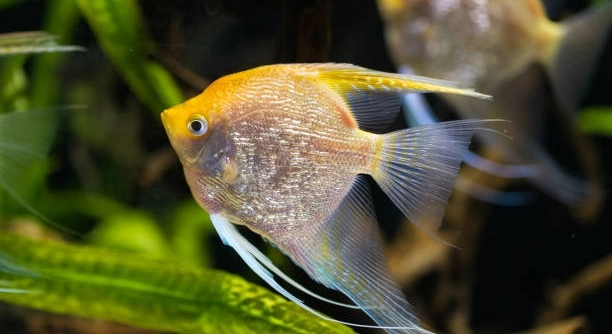
Pregnant angelfish, like all fish, experience stress, which can affect their health and the health of their offspring. Understanding how to reduce stress for these fish is essential for a thriving aquarium.
To reduce stress for pregnant angelfish, it is important to provide a peaceful environment with stable water conditions, avoid overcrowding, and limit sudden changes in their habitat. Proper nutrition and a quiet tank space can also help manage stress levels.
In this article, we will explore practical ways to create the ideal environment for your pregnant angelfish, ensuring both their comfort and the health of their future fry.
Maintain Stable Water Conditions
Pregnant angelfish are sensitive to changes in their environment, particularly the water quality. Keeping the water temperature stable between 75°F and 82°F (24°C to 28°C) is crucial for their well-being. Sudden shifts in water temperature can cause stress, leading to poor health or even death. Additionally, make sure to monitor the pH levels, as angelfish prefer slightly acidic water with a pH between 6.8 and 7.8. Regularly check the ammonia, nitrite, and nitrate levels to ensure they remain within safe limits. Clean water encourages healthy fish and helps prevent stress-related illnesses.
To help maintain these conditions, invest in a reliable water filter and consider using a heater with a built-in thermostat. A gentle water flow will also prevent your pregnant angelfish from feeling threatened or stressed. Regular water changes and proper filtration are key to a peaceful environment.
The right water conditions set the foundation for a healthy and calm tank environment. Without this, angelfish could experience more stress, which can impact their ability to reproduce and care for their fry.
Limit Tank Stressors
Overcrowding can easily stress pregnant angelfish.
Keeping the tank less crowded provides ample space for your angelfish to swim comfortably. It also minimizes potential conflicts with other fish, which can stress them out. By reducing the number of fish in the tank, you create a more peaceful and relaxed environment for the pregnant angelfish.
A calm and spacious tank helps reduce unnecessary aggression or territorial behavior from other fish. Pregnant angelfish, in particular, are sensitive to disturbances. They need a secure area to feel comfortable and focus on breeding. Tank mates should be peaceful and non-threatening to avoid stressing them further.
Provide Adequate Hiding Spots
Pregnant angelfish need places to hide where they can feel safe. Adding plants, rocks, and other decorations gives them spots to retreat when they need some peace. This is especially important when they are carrying eggs. They may feel vulnerable and need a quiet place to relax.
Plants like Java fern or Anubias work well, as they are easy to maintain and provide good cover. You can also add driftwood or small caves. These hiding spots will help reduce stress and give your angelfish a secure space. It allows them to move around freely without feeling exposed.
Setting up a tank with plenty of hiding places promotes a more peaceful environment. Pregnant angelfish will feel less stressed and more secure, which is key for their well-being. When they feel safe, they are more likely to focus on breeding, ensuring a healthy spawn.
Keep the Tank Quiet
Loud sounds or sudden movements can startle pregnant angelfish.
Pregnant fish are especially sensitive to noise and disruption. Keep the aquarium in a quiet area, away from loud conversations or loud machinery. Limit the movement around the tank to avoid creating an unsettling environment. A calm atmosphere promotes a peaceful breeding process for your angelfish.
While you can’t always control external noise, you can reduce tank disturbances by minimizing frequent feeding times or making rapid changes to their habitat. By creating a quieter space for them, your angelfish will be less anxious. This peace allows them to focus on swimming and settling comfortably, reducing the likelihood of stress-induced health problems.
Feed a Balanced Diet
A well-balanced diet is essential for pregnant angelfish. Provide high-quality flakes, pellets, and frozen foods like brine shrimp or bloodworms. These foods are rich in the nutrients needed for the health of both the mother and her developing eggs. Avoid overfeeding to prevent water contamination.
Feeding your angelfish twice a day with small amounts ensures they get the right nutrition without stress. Keep an eye on their eating habits to make sure they are not losing interest or overindulging. A varied diet supports their immune system and overall health, making them less susceptible to stress.
Maintain Proper Lighting
Proper lighting also plays a role in reducing stress.
Angelfish prefer dim lighting, as bright lights can cause discomfort. Ensure that your tank has soft lighting that mimics natural conditions. Avoid sudden changes in light intensity, as this can make the angelfish feel threatened. Regular light cycles of 10-12 hours of light per day are ideal for maintaining a healthy environment.
Monitor Water Movement
Pregnant angelfish prefer calm waters.
Ensure the water flow is gentle. Strong currents can stress them out, especially when they are pregnant. A slow-moving filter or powerhead will provide circulation without overwhelming the fish. This gives them space to swim without battling strong currents, reducing stress.
FAQ
How do I know if my pregnant angelfish is stressed?
Stressed angelfish may display a few clear signs. They might swim erratically or hide in corners of the tank more than usual. They may also stop eating or appear lethargic. If you notice any abnormal behavior like these, it could be a sign of stress. Additionally, you might observe that their colors become faded or dull. Stress can have serious consequences for both the fish’s health and the development of their eggs, so it’s important to address the issue quickly.
Can stress affect the pregnancy of my angelfish?
Yes, stress can greatly impact the pregnancy of angelfish. When they are stressed, it can lead to miscarriages or eggs that do not hatch properly. Stress can also weaken the immune system, making pregnant fish more susceptible to diseases. By ensuring a calm and peaceful environment, you can reduce the chances of stress interfering with their pregnancy. It’s essential to create a stress-free atmosphere to allow your pregnant angelfish to carry and care for their eggs with minimal issues.
How often should I change the water during pregnancy?
During pregnancy, it’s still important to change the water regularly. However, avoid making drastic changes all at once, as sudden fluctuations in water conditions can cause stress. Perform partial water changes (about 25%) every week to maintain clean water while keeping the tank’s environment stable. Make sure the new water is at the same temperature as the tank water to avoid temperature shock. Consistent water changes will help keep the water quality high without causing too much disruption.
What are the best tank mates for pregnant angelfish?
Pregnant angelfish need tank mates that won’t add stress or compete for food. Peaceful fish such as tetras, rasboras, and small catfish like Corydoras can make good tank mates. Avoid aggressive species or those that might nip at the fins of the angelfish. Keeping the tank peaceful with compatible fish will reduce the chance of territorial issues or aggression, which can cause stress for your pregnant fish. If necessary, consider separating the pregnant angelfish into a breeding tank to give her more space and security.
How can I prevent bullying in the tank?
To prevent bullying in the tank, it’s essential to monitor fish behavior closely. Aggressive fish, especially males, can stress out pregnant angelfish. Make sure to provide plenty of hiding spaces for the angelfish, like plants and decorations, so they can escape from overly curious or dominant tank mates. Additionally, ensure the tank is large enough for all the fish to establish territories without feeling overcrowded. If bullying becomes severe, consider separating the more aggressive fish to another tank or creating a more peaceful environment for the pregnant angelfish.
Is it okay to add a filter with strong water flow?
A filter with strong water flow is not ideal for pregnant angelfish. Angelfish prefer calm waters, especially when carrying eggs. Strong currents can cause stress and make it difficult for the pregnant fish to swim comfortably. Choose a filter that provides gentle filtration or use a sponge filter to maintain water quality without creating strong currents. This way, your pregnant angelfish will feel more at ease, reducing the chance of stress and making them more likely to thrive during pregnancy.
What temperature is best for pregnant angelfish?
Pregnant angelfish do best in warm water, ideally between 75°F and 82°F (24°C to 28°C). This temperature range mimics their natural environment and promotes healthy egg development. Temperatures that are too low can slow down their metabolism and cause stress, while temperatures that are too high can lead to oxygen depletion, making the fish uncomfortable. Consistently maintaining the right water temperature will help reduce stress and encourage the pregnant angelfish to remain healthy throughout the pregnancy.
Should I separate a pregnant angelfish from other fish?
Separating a pregnant angelfish from other tank mates can be a good idea, especially if you notice signs of stress or aggression. In a separate breeding tank, the angelfish can feel more secure and have space to lay her eggs. This also reduces the chances of other fish disturbing the breeding process or eating the eggs. If you don’t have a separate tank, be sure to add plenty of hiding spots and maintain a peaceful environment to keep the pregnant angelfish calm.
How can I help my pregnant angelfish feel safer?
One of the most effective ways to help a pregnant angelfish feel safer is by providing plenty of hiding spaces in the tank. Adding live plants, rocks, and decorations creates a more natural environment where the fish can retreat when they feel stressed. Keeping the tank lighting low and making sure the water flow is gentle also helps. Additionally, maintaining a quiet, calm atmosphere in the room where the tank is located will help the angelfish feel more secure. The less disruption they experience, the safer and more comfortable they will feel.
What should I do if my pregnant angelfish isn’t eating?
If your pregnant angelfish isn’t eating, it’s a sign of stress or an underlying issue. Check the water quality to ensure there are no harmful changes. Poor water conditions are a common cause of loss of appetite in fish. If the water is fine, consider adjusting the diet by offering different types of food, like live or frozen brine shrimp, to tempt her. If the issue persists, isolate her from other tank mates and offer her food in a more peaceful, low-stress environment. If necessary, consult with an aquarium professional to ensure there are no health concerns.
Final Thoughts
Reducing stress for pregnant angelfish is crucial for their health and well-being. By providing a peaceful environment, stable water conditions, and a proper diet, you can help ensure that both the mother and her eggs thrive. Pregnant angelfish are particularly sensitive to changes in their surroundings, so it’s essential to minimize disturbances. A calm tank with gentle filtration, plenty of hiding spots, and a balanced diet will go a long way in keeping your fish comfortable and less stressed.
It’s also important to monitor the behavior of your angelfish regularly. Signs of stress, such as erratic swimming, loss of appetite, or faded colors, can indicate that something isn’t right. If you notice these signs, take immediate action by checking the water quality, adjusting the temperature, or removing aggressive tank mates. A little attention to their environment can make a big difference in reducing stress and supporting a healthy pregnancy.
Creating an ideal tank environment takes time, but the rewards are worth it. A relaxed and healthy pregnant angelfish will have a better chance of successfully laying and hatching her eggs. By focusing on factors like water quality, tank mates, and providing enough space to feel safe, you ensure that your angelfish has the best conditions for both her and her fry. With the right care and attention, your pregnant angelfish can thrive and contribute to a vibrant, healthy aquarium.

Hello,
If you enjoy the content that we create, please consider saying a "Thank You!" by leaving a tip.
Every little bit helps us continue crafting quality advice that supports the health, happiness, and well-being of pets around the world, for pets of all shapes, sizes, and species.
We really appreciate the kindness and support that you show us!