
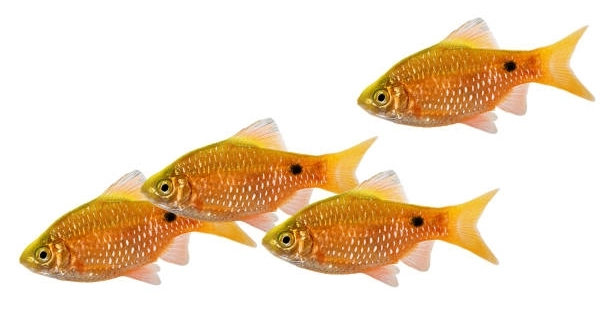
Rosy barbs are lively fish often admired for their bright colors. However, their natural behavior can sometimes lead to aggression in home aquariums. Managing this aggression is important for a peaceful tank environment.
Reducing rosy barb aggression naturally involves adjusting tank conditions, providing adequate space, enriching the environment, balancing the diet, and controlling group dynamics. These methods help minimize stress and territorial behavior without chemicals or medications.
Learning simple, natural strategies can improve your tank’s harmony and the wellbeing of your rosy barbs. The following tips will guide you through effective ways to manage aggression gently.
Provide Adequate Space
Rosy barbs are active swimmers and need plenty of room to reduce aggressive behavior. A crowded tank can increase stress and territorial disputes. Providing at least 20 gallons for a small group helps keep them comfortable. Larger tanks allow fish to spread out and avoid constant confrontations. Adding plants and hiding spots gives them places to retreat when feeling threatened. When fish have enough space, their aggression naturally decreases because they can establish their own territory without encroaching on others. Overcrowding often causes competition for food and shelter, which leads to more fights. By keeping tank conditions spacious, you support a healthier social balance among rosy barbs.
Giving your rosy barbs enough room is one of the easiest ways to lower aggression. This simple adjustment improves their wellbeing and tank harmony.
Spacing allows fish to coexist peacefully and reduces stressful encounters, promoting a calmer environment for all tank inhabitants.
Keep Rosy Barbs in Groups
Rosy barbs are schooling fish and feel safer in groups of five or more. Keeping them in larger groups spreads out aggression because no single fish becomes a target. Small groups or singles tend to become more aggressive as they establish dominance. In larger schools, aggressive behaviors are diluted, and fish focus more on swimming together. Group living also mimics their natural environment, which helps reduce stress. However, the tank must be big enough to accommodate a larger group comfortably. Balancing group size with tank space is key to maintaining peace. Too many fish in a small tank will increase aggression instead of reducing it. Proper group size and space work together to keep rosy barbs calmer and healthier.
Maintain a Balanced Diet
Feeding rosy barbs a varied diet reduces aggression caused by hunger or competition. Nutrient-rich food supports their health and behavior.
A balanced diet includes high-quality flakes, pellets, and occasional live or frozen foods like bloodworms and brine shrimp. Proper nutrition helps reduce irritability and energy imbalances that can trigger fights. Feeding small amounts multiple times a day prevents dominance during feeding times and keeps fish satisfied. Avoid overfeeding, as leftover food can degrade water quality and stress the fish, increasing aggression. A well-fed rosy barb group tends to be calmer and less territorial.
Supplementing their diet with vegetable matter like blanched spinach or peas supports digestion and overall wellbeing. This holistic feeding approach helps keep aggression in check naturally.
Enrich the Environment
Adding plants, rocks, and decorations creates hiding spots that reduce stress and aggression. These structures help fish feel secure.
An enriched environment breaks up sightlines, preventing constant staring and territorial disputes. Plants soften the tank’s appearance and provide natural cover, allowing shy or submissive fish to escape aggressive peers. Rocks and driftwood create barriers that help establish separate territories without conflict. Varied environments encourage natural behaviors and keep fish mentally stimulated, which lowers stress levels. Changing the layout occasionally can also prevent boredom, a factor that sometimes triggers aggression. Providing these natural elements replicates rosy barbs’ native habitat and promotes peaceful interaction. A well-decorated tank leads to healthier, less aggressive fish.
Enriching the tank environment supports both physical and mental health for rosy barbs, reducing conflicts significantly.
Monitor Water Quality
Maintaining clean water is essential to reduce stress-related aggression in rosy barbs. Poor water conditions can increase irritability and fighting.
Regular water changes and proper filtration help keep ammonia, nitrite, and nitrate levels low. Stable water parameters support fish health and calm behavior. Monitoring pH, temperature, and hardness ensures the tank environment remains consistent.
Use Tank Dividers When Necessary
Tank dividers can temporarily separate aggressive fish without removing them permanently. This reduces direct confrontations while keeping social dynamics intact.
Dividers create boundaries that prevent constant chasing or attacks. They are useful during breeding or when introducing new fish. Using dividers allows aggressive individuals to cool down before rejoining the group. This method avoids stress caused by isolation and keeps the tank peaceful.
Avoid Overcrowding
Too many fish in one tank increases stress and competition. Overcrowding causes fights and damages the overall environment.
Adjust Lighting Levels
Dimming the tank lights can help reduce aggressive behavior by lowering activity levels and stress.
How can I tell if my rosy barbs are being too aggressive?
Aggressive behavior in rosy barbs usually shows as chasing, nipping fins, or constant fighting. You might see torn fins or stressed fish hiding more often. When one or more fish consistently bully others or guard territory, it indicates aggression. Watching their interactions regularly helps catch these signs early and address them before injuries occur.
What size tank is best to reduce aggression in rosy barbs?
A tank of at least 20 gallons for a small group is recommended. Larger tanks, 30 gallons or more, allow plenty of swimming space and places to hide, which reduces aggressive behavior. More space means fish can avoid each other and establish separate territories without constant conflict.
Should I keep rosy barbs alone or in groups?
Rosy barbs should be kept in groups of five or more. They are schooling fish and feel safer in larger numbers. Groups spread out aggression so no single fish becomes a constant target. Smaller groups or single fish tend to become more aggressive as they try to establish dominance.
Can diet affect my rosy barbs’ aggression?
Yes, feeding a balanced diet reduces aggression. Hunger and competition for food can increase fights. Providing high-quality flakes or pellets with occasional live or frozen foods helps satisfy their nutritional needs. Feeding smaller amounts multiple times a day also prevents dominance during feeding.
Are tank decorations important for reducing aggression?
Decorations like plants, rocks, and driftwood create hiding places and visual barriers. These help break up the tank, so fish don’t constantly see or chase each other. Natural decorations mimic their environment and lower stress, which reduces aggressive behavior.
How often should I change the water to help reduce aggression?
Performing regular water changes of 20-30% weekly keeps water clean and stable. Poor water quality stresses fish, leading to increased aggression. Good filtration and testing water parameters help maintain a healthy environment.
Can lighting affect rosy barb aggression?
Dimming tank lights slightly can reduce activity and stress in rosy barbs, which lowers aggression. Bright lighting may increase territorial behavior and fights. Adjusting light intensity and providing a natural day-night cycle supports calmer fish.
Is it helpful to use tank dividers for aggressive rosy barbs?
Yes, tank dividers can temporarily separate aggressive individuals. This prevents constant chasing and allows fish to calm down without complete isolation. Dividers work well during breeding or when introducing new fish to reduce stress.
What should I do if one rosy barb is bullying the others?
First, try adding more hiding spots and increasing tank size. Feeding more often and in smaller amounts can reduce competition. If bullying continues, isolate the aggressive fish temporarily with a divider. In some cases, removing the aggressive individual may be necessary to protect the group.
Can overcrowding make rosy barbs more aggressive?
Overcrowding increases stress and competition, which often leads to fights. Too many fish in a small space create constant tension over territory and food. Keeping an appropriate number of fish for your tank size is essential for reducing aggression.
How can I encourage natural behavior to reduce aggression?
Providing a varied environment with plants and decorations encourages natural swimming and hiding behaviors. A natural diet with live or frozen foods mimics their wild feeding habits. These steps help reduce boredom and stress, lowering aggressive tendencies.
Are there any fish species that help calm rosy barbs?
Peaceful, fast-swimming fish like danios or small tetras can coexist well with rosy barbs and help spread aggression. Avoid slow or long-finned species that may become targets of nipping. Choosing compatible tank mates promotes a balanced and calm community.
What water temperature is best to keep rosy barbs calm?
Rosy barbs do well in temperatures between 68-75°F (20-24°C). Keeping the water stable within this range supports their health and reduces stress, which helps prevent aggressive behavior. Sudden temperature changes should be avoided.
Can stress from handling or new environments increase aggression?
Yes, stress from moving, handling, or new tank setups can make rosy barbs more aggressive temporarily. Allowing time for adjustment, maintaining water quality, and minimizing sudden changes help reduce stress and aggression.
How long does it take for rosy barbs to settle down in a new tank?
It typically takes one to two weeks for rosy barbs to settle after being introduced to a new tank. During this time, some aggression is normal as they establish territories. Proper space, hiding spots, and stable conditions help them calm faster.
Rosy barbs are beautiful and lively fish, but their natural behavior can sometimes cause aggression in home aquariums. Managing this aggression is important to keep your tank peaceful and healthy. By understanding their needs and habits, you can create an environment where they thrive without constant fighting. Using natural methods to reduce aggression is better for the fish and the overall tank ecosystem. It helps avoid stress and injury, which can impact the wellbeing of your rosy barbs.
Giving rosy barbs enough space is one of the most effective ways to lower aggression. Crowded tanks cause stress and competition for territory and food, which leads to more fights. A larger tank with plenty of plants, rocks, and hiding spots allows fish to establish their own space and retreat when needed. Keeping them in groups of five or more also spreads out aggression and mimics their natural schooling behavior. Feeding a balanced diet and maintaining clean water are additional important steps. These simple changes support calmer fish and create a healthier environment for everyone in the tank.
Natural solutions for reducing aggression are easy to implement and have lasting benefits. Adjusting tank size, group numbers, and diet, while enriching the environment, keeps rosy barbs calmer and less territorial. Avoiding overcrowding and maintaining stable water quality reduce stress that can trigger aggressive behavior. If aggression persists, temporary use of tank dividers can help. Overall, focusing on these natural methods will help your rosy barbs live peacefully together, making your aquarium more enjoyable to watch and care for.

Hello,
If you enjoy the content that we create, please consider saying a "Thank You!" by leaving a tip.
Every little bit helps us continue crafting quality advice that supports the health, happiness, and well-being of pets around the world, for pets of all shapes, sizes, and species.
We really appreciate the kindness and support that you show us!