
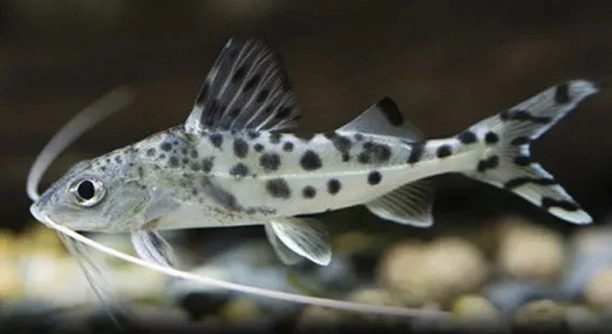
Are your Pictus catfish showing signs of stress or health problems that seem difficult to trace back to a single cause?
Reducing nitrate levels in a Pictus catfish tank involves consistent water changes, proper filtration, avoiding overfeeding, and adding live plants. These steps help control nitrate buildup, supporting a cleaner environment and healthier fish.
These practical tips can help you maintain a balanced tank and keep your Pictus catfish thriving in their aquatic home.
Change Water Regularly
Nitrate builds up over time, even in clean-looking aquariums. Doing partial water changes at least once a week helps reduce these levels before they affect your Pictus catfish. Aim to replace 25–30% of the tank water during each change. Use a gravel vacuum to remove waste and uneaten food from the substrate. Make sure the new water is treated with a dechlorinator and matches the tank’s temperature to avoid shocking your fish. Frequent water changes not only lower nitrate but also improve overall water clarity and oxygen levels. This routine is one of the easiest ways to keep your tank balanced.
Frequent water changes help remove built-up waste, dissolved organics, and leftover food that all contribute to rising nitrate levels.
Skipping water changes for too long can quickly raise nitrate levels, leading to health issues like reduced activity or appetite. Pictus catfish are active swimmers and thrive in clean, oxygen-rich water. If nitrate levels climb above 40 ppm, they can start showing signs of stress or weakened immune systems. Regular changes give you better control over nitrate and improve your fish’s comfort. Pairing this with a good filter will make the tank easier to manage long-term. Consistency is key—just a weekly habit makes a big difference.
Don’t Overfeed
Uneaten food breaks down and raises nitrate. Feed only what your Pictus catfish can finish in about two minutes. Remove leftovers right after feeding to keep your water quality stable.
When you feed your catfish too much, the excess food falls to the bottom and starts to decay. As it breaks down, it releases ammonia, which eventually becomes nitrate. Even with a strong filter, too much food will overwhelm the system. Stick to a feeding schedule—once or twice daily is enough for adult Pictus catfish. Watch how much they actually eat and adjust as needed. Pellets and frozen foods work well, but they should be portioned carefully. Use feeding tongs or a small dish for better control. If you’re using live or freeze-dried food, try giving smaller amounts and monitor their behavior. Overfeeding is easy to do without realizing it, so staying consistent will keep your nitrate levels lower and your fish much healthier.
Use Live Plants
Live plants absorb nitrate as they grow, helping reduce its levels naturally. Fast-growing species like hornwort, water sprite, and Amazon frogbit are especially effective. They also offer shelter and make the tank feel more natural for Pictus catfish.
Plants pull nitrate from the water as part of their nutrient intake. The more plants you have, the more nitrate gets used up before it can build to harmful levels. Floating plants are easy to maintain and provide shade. Stem plants like water wisteria can be trimmed and replanted often to encourage growth. If you’re new to live plants, choose low-maintenance ones that don’t need special lighting. Keep an eye out for dead leaves—removing them prevents them from breaking down and releasing more waste. Having live plants also improves oxygen levels, which is good for your fish. Just make sure they don’t overcrowd the tank or block filtration flow.
Balancing plant growth with maintenance keeps things simple. Trim plants regularly, remove dying parts, and thin them out when they get too dense. Overcrowded plants can trap debris and lower circulation, which cancels out their benefits. A planted tank may take a little effort to start, but once it’s going, it makes nitrate control much easier over time.
Clean the Filter Media
Rinsing your filter media every 2–3 weeks prevents debris buildup without harming helpful bacteria. Use tank water, not tap water, to protect the bacterial colonies that help keep ammonia and nitrite in check.
Your filter traps waste, leftover food, and other debris that contribute to nitrate buildup over time. While it’s tempting to wash everything thoroughly, over-cleaning can remove the beneficial bacteria your tank needs. The goal is to rinse out only the excess gunk. Take out the sponge or pad and swish it in old tank water you’ve set aside during a water change. This method keeps the bacteria alive while still clearing out trapped waste. For mechanical media, this process works well. Chemical media like carbon should be replaced monthly. Biological media rarely needs replacing—just rinse lightly if it looks dirty. Keeping your filter balanced ensures both clear water and reduced nitrate without disturbing the tank’s natural cycle.
Avoid Overcrowding
Too many fish in one tank increases waste, which raises nitrate levels quickly. Pictus catfish are active and need space, so avoid packing the tank with too many tank mates. Stick to a stocking level your filter can handle.
A crowded tank also leads to more food being added, which creates even more waste. This combination makes nitrate control harder and puts extra stress on all fish.
Use Nitrate-Reducing Media
Special filter media like porous resins or bio-rings can absorb nitrate or support bacteria that break it down. These products are easy to place inside your existing filter and work well alongside regular media. Choose options labeled for nitrate removal, and follow the replacement schedule to keep them effective. Some brands work better over time, while others need to be changed out monthly. Check your tank’s nitrate levels weekly to see how well the media is performing. While this method shouldn’t replace water changes, it helps reduce nitrate buildup between cleanings. It’s a simple way to give your Pictus catfish cleaner water without too much extra effort.
Keep the Substrate Clean
Waste and leftover food get trapped in the substrate and slowly break down, releasing nitrate. Vacuuming the gravel during each water change keeps your tank cleaner and prevents nitrate from rising over time.
FAQ
How often should I test nitrate levels in my Pictus catfish tank?
Testing nitrate weekly is ideal. Regular testing helps you catch rising levels early before they harm your fish. Keep a test kit handy and record your results to track trends. This way, you can adjust maintenance routines quickly and avoid sudden water quality issues.
Can I use tap water for water changes without treatment?
No, tap water often contains chlorine or chloramine, which are harmful to fish. Always treat new water with a dechlorinator before adding it to the tank. Matching the temperature to the tank water also prevents shock, helping your Pictus catfish stay healthy.
What nitrate level is safe for Pictus catfish?
Aim to keep nitrate levels below 20 ppm for optimal health. Levels between 20-40 ppm may be tolerated but can cause stress over time. Anything above 40 ppm risks weakening your fish’s immune system and making them prone to disease.
Are live plants enough to control nitrate alone?
Live plants help but usually aren’t enough by themselves. They work best combined with regular water changes, proper feeding, and good filtration. Plants absorb nitrate as they grow, but excess waste can still build up without other care steps.
Can I reduce nitrate with chemical additives?
Chemical nitrate removers exist but should be used cautiously. They can offer quick relief but don’t replace good tank maintenance. Overusing additives can upset the tank’s natural balance and harm beneficial bacteria. Use them only as a short-term solution if nitrate levels spike suddenly.
How do I prevent nitrate buildup in a new tank?
Start with a good filtration system and add hardy live plants if possible. Avoid overfeeding and keep stocking levels low at first. Begin weekly partial water changes as soon as the tank is set up. Regular monitoring will help keep nitrate from building up as the tank matures.
Why is nitrate harmful to Pictus catfish?
Nitrate itself is less toxic than ammonia or nitrite but still affects fish health at high levels. It can cause stress, lower resistance to disease, and reduce growth rates. Over time, elevated nitrate damages gills and tissues, making fish more vulnerable.
How does overfeeding affect nitrate levels?
Overfeeding leaves uneaten food to decay, increasing ammonia production that converts to nitrate. Excess food also leads to more fish waste. Keeping feeding amounts small and removing leftovers prevents these issues and keeps nitrate lower.
Is it okay to skip filter cleaning to preserve bacteria?
Filters need gentle cleaning, not neglect. Rinsing filter media in tank water every few weeks removes debris without killing helpful bacteria. Completely avoiding filter cleaning lets waste build up, which raises nitrate and harms water quality.
Can frequent water changes shock my fish?
Water changes won’t shock fish if done carefully. Always match new water temperature and treat it to remove chlorine. Changing 25–30% of water weekly is safe and helps keep nitrate low without stressing your Pictus catfish.
Maintaining low nitrate levels is essential for the health and wellbeing of Pictus catfish. These fish are sensitive to poor water quality, and high nitrate can cause stress, illness, and reduce their lifespan. By following simple steps like regular water changes, controlling feeding amounts, and keeping the tank clean, you can create a safer environment for your catfish. It’s important to keep an eye on nitrate levels using a test kit and adjust your tank care routine as needed. Consistency is key to preventing nitrate buildup and protecting your fish.
Using live plants and proper filtration also plays a big role in controlling nitrate. Plants naturally absorb nitrate during their growth, helping to keep the water cleaner. At the same time, a good filter removes waste and supports helpful bacteria that break down harmful substances. Keeping the filter clean without damaging beneficial bacteria helps maintain the tank’s balance. Overcrowding and leftover food increase nitrate quickly, so it’s best to avoid these issues by not overstocking the tank and feeding only what your fish can eat. Paying attention to these factors keeps the aquarium environment stable and healthy.
Reducing nitrate takes ongoing effort but is manageable with the right routine. Small changes like weekly water changes, regular substrate cleaning, and careful feeding can make a big difference. Using nitrate-reducing media or chemical additives can support your efforts, but they should never replace proper maintenance. A healthy tank means healthier fish that display more natural behaviors and live longer. By taking these steps, you ensure your Pictus catfish enjoy a comfortable, low-stress home that meets their needs.

Hello,
If you enjoy the content that we create, please consider saying a "Thank You!" by leaving a tip.
Every little bit helps us continue crafting quality advice that supports the health, happiness, and well-being of pets around the world, for pets of all shapes, sizes, and species.
We really appreciate the kindness and support that you show us!