
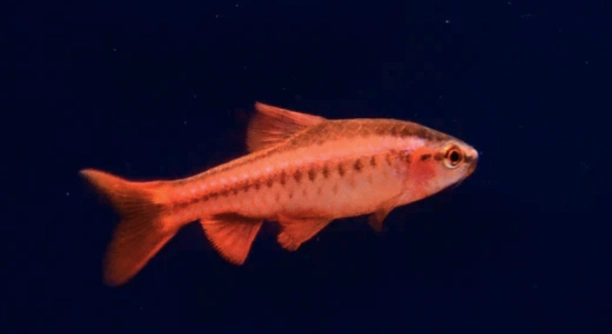
Nitrate buildup is a common issue in barb tanks, and it can harm your fish if left unchecked. It’s important to manage nitrates to maintain a healthy environment for your aquatic pets.
The most effective ways to reduce nitrate buildup in barb tanks involve regular water changes, proper filtration, reducing overfeeding, and maintaining live plants. These methods help to balance the nitrogen cycle, ensuring water quality remains optimal.
Taking simple steps can keep your barb tank healthy and balanced. In the following sections, we will explore effective methods that ensure your fish thrive in their environment.
Regular Water Changes
To prevent nitrate buildup, performing regular water changes is one of the most effective methods. Nitrates accumulate in the tank over time, often due to excess food, fish waste, and decaying plants. Replacing 10-20% of the tank water every week helps dilute these harmful substances and maintains a stable environment for your barbs. If your tank is heavily stocked, consider doing water changes more frequently.
Even with a good filtration system, nitrates will still build up, so regular water changes are essential. The more often you change the water, the less buildup you’ll experience. Be sure to use a water conditioner to remove chlorine and chloramines when doing these changes. It’s also a good idea to check the water’s nitrate levels regularly using test kits to track how well your tank is staying balanced.
To make water changes easier, you can set reminders or use an automated water change system. This helps you stay on top of maintenance without missing a beat. Consistency is key to ensuring your barb tank remains healthy.
Effective Filtration Systems
A high-quality filtration system can significantly reduce nitrate buildup in your tank. Filters remove debris, waste, and excess nutrients that contribute to nitrates, keeping the water clear and clean.
Investing in a reliable filter with biological, mechanical, and chemical filtration can help address the various sources of nitrate. Biological filtration is especially important, as beneficial bacteria break down harmful compounds, including nitrates. Maintaining your filter regularly is crucial for its efficiency. Clean it every few weeks to ensure it is working optimally. This will help prevent nitrate levels from rising to unsafe levels. If you’re unsure which filter to choose, a good rule of thumb is to select one rated for a tank slightly larger than your own, giving your filter extra power to handle waste.
Reduce Overfeeding
Overfeeding is a common cause of nitrate buildup. When you feed your barbs more than they can consume, leftover food breaks down and releases nitrates into the water. To prevent this, stick to feeding small amounts that your fish can eat in a few minutes. If there’s food left over, remove it promptly.
A simple way to gauge the right amount of food is by observing how quickly your fish eat. Barbs are generally active feeders, so they will eat quickly. If there’s leftover food after feeding, adjust your portions. Avoid feeding your fish multiple times a day unless necessary, as it can lead to waste accumulation.
Using a feeding schedule can help control how much your barbs eat. By setting times to feed and ensuring your fish are eating the right portions, you can cut down on excess food and waste. This reduces nitrate buildup, making it easier to maintain a healthy tank.
Maintain Live Plants
Live plants help absorb nitrates and other excess nutrients from the water, acting as a natural filter. Adding plants to your barb tank can lower nitrate levels and improve overall water quality. Plants like java ferns, anubias, and hornwort are great choices for beginner aquarists.
Healthy plants will thrive and absorb nitrates, giving your tank a more balanced ecosystem. When plants absorb these nutrients, they reduce the amount available for algae growth, which can otherwise lead to water problems. Be sure to prune dead or decaying leaves, as they can contribute to water contamination.
Adding a few plants to your tank can make a significant difference in nitrate control. It’s important to provide proper lighting and nutrients for the plants to grow well. With the right conditions, live plants not only help control nitrates but also give your barbs a more natural and enriching environment.
Use Nitrate-Reducing Products
There are various products available that can help reduce nitrate levels in your tank. These include chemical filter media, nitrate-reducing sponges, and liquids that absorb or neutralize excess nitrates. These products can offer a quick solution to a high nitrate problem.
While these products can be helpful in the short term, they should not replace regular maintenance. They can work best when combined with other methods, such as water changes and proper filtration. If you rely on them too heavily, you might neglect other important tank upkeep practices, leading to problems down the line.
Proper Stocking Density
The number of fish in your tank affects nitrate levels. Overcrowding can quickly lead to higher waste production, which results in more nitrates. A general guideline is one inch of fish per gallon of water, but this can vary depending on the species.
Monitoring your fish’s behavior is also important. If fish appear stressed or water quality drops quickly, it might be time to reduce the number of fish or upgrade your filtration system. Keep a balance between the number of fish and the available space in your tank to maintain stable nitrate levels.
Avoid Over-Reliance on Gravel
Gravel is commonly used in tanks for aesthetic purposes, but it can hold onto waste and debris, leading to nitrate buildup. Over time, organic matter trapped in the gravel decomposes, adding to the nitrate load in the water.
To prevent this, consider vacuuming your gravel during water changes to remove waste and debris. You can also opt for bare-bottom tanks or use fine sand, which is easier to clean and less likely to trap organic material. Regular cleaning of the substrate helps prevent hidden waste from turning into harmful nitrates.
FAQ
How often should I perform water changes to control nitrate levels?
Regular water changes are essential for keeping nitrate levels under control. Ideally, change 10-20% of the water in your barb tank every week. If you have a heavily stocked tank, you might need to increase the frequency of water changes. The goal is to reduce the concentration of nitrates and other harmful substances in the water. Test the nitrate levels regularly to see how well your changes are working. If they remain high, consider increasing the frequency or amount of water you change.
Can I use a nitrate remover instead of doing water changes?
While nitrate removers can help reduce nitrate levels, they should not replace regular water changes. These products can offer a quick fix, but they don’t address the underlying issues like overfeeding, overcrowding, or insufficient filtration. Using them occasionally can help in emergencies, but maintaining a consistent water change schedule is still the best way to ensure the health of your tank. It’s important to use nitrate removers as part of a broader maintenance routine.
How do I know if my fish tank has too many nitrates?
If your tank has high nitrate levels, your fish may show signs of stress, such as gasping for air, lethargy, or faded colors. Additionally, algae growth might increase as nitrates feed them. Using a nitrate test kit is the most accurate way to measure nitrate levels. Nitrate levels should stay below 40 ppm (parts per million). Anything higher can be harmful to your fish. If you notice any of the symptoms or test results above, it’s time to take action to reduce the nitrates.
Are live plants necessary to reduce nitrates?
While not strictly necessary, live plants are one of the most effective and natural ways to reduce nitrate levels. Plants absorb nitrates as nutrients, helping to maintain water quality. Additionally, plants improve the aesthetic of your tank and provide your fish with hiding spots. Some plants, like java ferns, anubias, or water wisteria, are particularly good at absorbing nitrates. If you don’t want live plants, you can manage nitrates with a good filtration system and regular water changes, but plants do make the job easier.
Can I overfeed my fish without increasing nitrate levels?
Overfeeding your fish will almost always lead to higher nitrate levels. Uneaten food breaks down in the water and adds to the nutrient load, contributing to nitrate buildup. Even if you have a strong filtration system, the excess food will eventually break down into nitrates. To avoid this, only feed your barbs what they can eat in a few minutes and remove any leftover food after feeding. A feeding schedule and portion control are key to preventing overfeeding.
How can I improve my filtration system to handle nitrates better?
Upgrading or improving your filtration system can make a big difference in managing nitrate levels. A filter with biological, mechanical, and chemical filtration will give your tank the best chance to stay clean. Biological filtration, where beneficial bacteria break down harmful substances, is especially important. Make sure the filter is rated for your tank size and consider adding additional filtration if necessary. Cleaning and maintaining the filter regularly is just as important as upgrading it. Replace filter media when needed and ensure the filter is functioning properly.
Do I need to worry about nitrates in a tank with only one or two fish?
While smaller tanks with fewer fish produce less waste, nitrates can still accumulate over time. If you only have one or two fish, your tank may have a lower nitrate load, but you still need to monitor water quality. Even a small amount of uneaten food or fish waste can lead to nitrate buildup. Regular water changes and a proper filtration system are still necessary to keep nitrate levels safe, even in tanks with fewer fish.
What’s the best way to clean the gravel to prevent nitrate buildup?
Cleaning your gravel is a simple yet effective way to prevent nitrate buildup. During water changes, use a gravel vacuum to suck up any debris and waste that may have settled between the grains. Be thorough, but avoid disturbing the substrate too much, as this can stress the fish. Regularly vacuuming the gravel helps prevent waste from decomposing and turning into nitrates. If you prefer, you can also use fine sand or a bare-bottom tank to make cleaning easier, but gravel is still the most common choice for most aquariums.
Should I reduce the number of fish in my tank to manage nitrates?
Yes, reducing the number of fish can help lower nitrate levels. Overcrowding increases waste production, leading to higher nitrate buildup. If you notice that your tank is producing too many nitrates despite regular maintenance, consider removing some fish or upgrading your filtration system to handle the waste. Maintaining the right stocking density is crucial for keeping your tank’s water quality stable. A general guideline is one inch of fish per gallon of water, though this can vary depending on the species. Make sure to balance the number of fish with your tank’s capacity.
Final Thoughts
Managing nitrate levels in a barb tank is essential for the health of your fish. Nitrate buildup can lead to stress, illness, and even death if left unchecked. Fortunately, with a few simple steps, you can keep nitrates at safe levels and provide your fish with a clean and healthy environment. Regular water changes, proper filtration, and reducing overfeeding are all key strategies to ensure your tank remains balanced. Each method plays a vital role in maintaining water quality, and using them together can make a significant difference in the long run.
One of the most effective ways to control nitrates is through water changes. Regularly replacing a portion of the water helps to dilute the concentration of nitrates and other harmful substances. The more often you change the water, the less likely you are to experience dangerous nitrate levels. Pair this with an efficient filtration system that can remove debris and waste, and you’ll be setting your barb tank up for success. Remember, filters need regular maintenance to function properly, so don’t forget to clean them often.
Another important consideration is how much food you give your barbs. Overfeeding can lead to excess waste, which turns into nitrates. By feeding your fish in controlled amounts and removing uneaten food, you can avoid this issue. Live plants can also help by absorbing excess nutrients, including nitrates, making them a great addition to your tank. While they aren’t a replacement for regular maintenance, plants can support your efforts to keep the tank clean and healthy. Together, these practices will keep your barb tank in good shape, ensuring a thriving environment for your fish.

Hello,
If you enjoy the content that we create, please consider saying a "Thank You!" by leaving a tip.
Every little bit helps us continue crafting quality advice that supports the health, happiness, and well-being of pets around the world, for pets of all shapes, sizes, and species.
We really appreciate the kindness and support that you show us!