
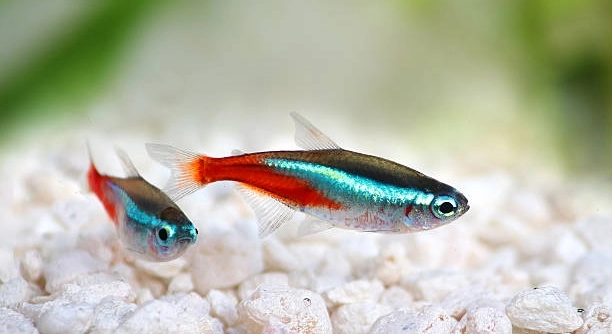
Maintaining a neon tetra tank can be time-consuming. While these small, vibrant fish are beautiful additions to any aquarium, keeping their environment clean and healthy requires attention to detail. Efficient care can make this easier.
To reduce tank maintenance, focus on water quality, filtration, regular cleaning, and managing feeding routines. Maintaining stable conditions minimizes algae growth and prevents stress on fish, which can lead to health issues and increased maintenance needs.
Effective management of your neon tetra tank will reduce cleaning time, improve water quality, and support healthier fish.
Proper Filtration for Neon Tetra Tanks
A good filtration system is crucial for reducing tank maintenance. Filters help keep the water clear by removing debris, excess food, and waste from your neon tetra’s environment. The cleaner the water, the less you’ll need to worry about frequent changes. A high-quality filter ensures the water circulates properly, which helps maintain the right balance of nutrients for your fish and keeps the tank’s ecosystem stable.
Installing a filter that is suited to the size of your tank is important. A filter that’s too small might not remove all the waste, leading to water quality problems. It’s best to select a filter designed for your tank size.
Regular filter maintenance is essential. Clean the filter’s components once a month, replacing the filter media as needed. Doing so prevents build-up and ensures it works efficiently. A filter is an investment that saves you time by minimizing the need for constant cleaning and water changes.
Water Quality Management
Water quality is directly linked to the health of your neon tetras. Keeping the water parameters in check reduces the amount of maintenance you’ll need. Regularly test the water for ammonia, nitrites, and nitrates to ensure they stay within safe levels. A stable environment reduces algae growth and stress on the fish.
Changing 20% of the water every week is an effective strategy. Use a water conditioner to remove chlorine and chloramine from tap water. When performing water changes, vacuum the substrate to remove debris that may accumulate.
Maintaining the right temperature is equally important. Neon tetras thrive in water that ranges from 72°F to 78°F. Keep an eye on the temperature with a reliable thermometer to avoid spikes or drops that could stress the fish.
Reducing Overfeeding
Overfeeding is a common problem that leads to tank maintenance issues. Neon tetras don’t need to eat large amounts of food. In fact, feeding them more than necessary can result in excess food settling at the bottom of the tank, causing water quality problems. Stick to small, consistent meals throughout the day.
Feed your tetras only what they can consume in two to three minutes. This reduces the risk of food waste and helps prevent overfeeding. Overfeeding also leads to increased algae growth, as the excess nutrients from uneaten food feed the algae.
Consider offering a variety of foods that your tetras can consume in small portions. Be mindful of the quality and quantity to maintain a balanced diet without excess. Managing their food intake will minimize tank maintenance while ensuring your fish remain healthy.
Substrate Cleaning
Cleaning the substrate regularly helps prevent the build-up of debris, uneaten food, and waste. A clean substrate also keeps the water clearer and reduces the need for frequent water changes. Invest in a reliable gravel vacuum for easy cleaning.
Vacuuming the substrate during water changes removes dirt and excess food. It’s important to vacuum the entire tank, including the corners, where debris can accumulate. Doing this once a week keeps the tank cleaner for longer, minimizing the chances of harmful bacteria or algae growth.
Be mindful of the substrate material as well. Some substrates, like sand, can compact over time, reducing water flow. Regular stirring and occasional shifting can help maintain good water circulation, making it easier to clean.
Live Plants for Tank Balance
Live plants offer a natural filtration system for your neon tetra tank. They absorb excess nutrients like nitrates, preventing algae growth and improving water quality. Additionally, plants provide hiding spots and enhance the tank’s overall look.
Plants like Java moss and Anubias are low-maintenance and work well in tetra tanks. They also help stabilize the ecosystem, making it easier to manage the tank’s environment. Adding live plants is a great way to reduce maintenance while enhancing the health of your fish.
To keep plants healthy, make sure they receive adequate light but not too much. Position them in areas with moderate light, ensuring they grow steadily without promoting unwanted algae. Healthy plants will naturally help maintain a more balanced and stable tank.
Regular Water Testing
Test the water in your neon tetra tank regularly to ensure the parameters are stable. Ammonia, nitrite, and nitrate levels should stay within safe ranges to prevent health problems. Water tests are simple and should be done at least once a week.
Keeping a log of your test results helps track trends in water quality. If levels start to fluctuate, it’s easier to spot potential issues before they become a bigger problem. Early intervention saves time on tank maintenance.
Avoiding Overcrowding
Overcrowding a tank increases waste production, leading to more frequent cleanings and water changes. Neon tetras are small, but a few too many can still create problems with water quality. Stick to a reasonable stocking level based on tank size.
Too many fish cause stress, making them more prone to illness. Proper stocking not only ensures a healthier environment but also reduces the chances of needing to perform constant water changes. Balance is key when managing your tank’s fish population.
FAQ
How often should I clean my neon tetra tank?
Cleaning your neon tetra tank once a week is ideal. During this time, do a partial water change, vacuum the substrate, and check the filter. Skipping cleaning can lead to poor water quality, which can stress the fish. Regular maintenance helps keep algae and waste from building up, making it easier to manage the tank.
Can neon tetras live in a tank without a filter?
Neon tetras can survive in a tank without a filter for short periods, but it’s not recommended. Without a filter, waste and debris accumulate quickly, leading to poor water quality and stressing the fish. If you’re unable to use a filter, more frequent water changes will be necessary to maintain water quality.
What’s the ideal water temperature for neon tetras?
The ideal water temperature for neon tetras is between 72°F and 78°F (22°C to 26°C). Maintaining a stable temperature within this range helps the fish thrive. Extreme fluctuations in temperature can lead to stress and health issues. Using a reliable heater with a thermostat can help maintain a consistent environment.
Do neon tetras need a specific type of substrate?
Neon tetras don’t require a specific type of substrate, but fine gravel or sand is best. Avoid large, sharp rocks that could potentially injure the fish. Substrate also plays a role in biological filtration, so choose something that is easy to clean and won’t trap too much debris.
How do I reduce algae growth in my tank?
Algae thrives in tanks with excess light and nutrients. To reduce algae growth, limit lighting to 6-8 hours a day and avoid overfeeding. Adding live plants also helps by absorbing excess nutrients that algae need to grow. A good filter and regular water changes are also key to controlling algae.
Can I keep other fish with neon tetras?
Yes, neon tetras are peaceful fish that can live with other non-aggressive species. Consider tankmates like guppies, corydoras catfish, or other small, calm species. Avoid aggressive fish, as they can stress neon tetras. Always check the temperament and size of potential tankmates before introducing them.
How many neon tetras can I keep in a 10-gallon tank?
In a 10-gallon tank, you can comfortably keep 6 to 8 neon tetras. Overcrowding leads to poor water quality and stressed fish. When stocking, allow about 1 inch of fish per gallon. Remember, neon tetras are schooling fish and should be kept in groups for their well-being.
What should I feed neon tetras?
Neon tetras are omnivores and thrive on a varied diet. Offer high-quality flakes, pellets, and occasional live or frozen foods like brine shrimp, daphnia, or bloodworms. Be sure to feed in small portions, ensuring they eat everything within a couple of minutes to prevent waste buildup.
How can I tell if my neon tetras are stressed?
Stressed neon tetras may display signs like faded coloration, erratic swimming, or hiding more than usual. In extreme cases, they may stop eating. Stress can be caused by poor water quality, overcrowding, or incompatible tankmates. Address any issues with the tank environment to help your fish recover.
Why are my neon tetras not breeding?
Neon tetras can be difficult to breed in a home aquarium. They need pristine water conditions and a separate breeding tank with appropriate conditions, including slightly acidic water, low light, and a temperature of about 75°F (24°C). If your fish are not breeding, it could be due to environmental factors or the fish being too young.
Is it normal for neon tetras to swim near the surface?
Yes, neon tetras may occasionally swim near the surface, especially during feeding times or if they are startled. However, prolonged surface swimming can indicate poor water quality or low oxygen levels. Ensure the tank has good water circulation and is properly filtered to maintain oxygen levels throughout the tank.
How can I prevent diseases in my neon tetra tank?
Prevent diseases by maintaining a clean tank, feeding your fish properly, and keeping the water parameters stable. Quarantine new fish before adding them to the tank to avoid introducing pathogens. Regularly clean the filter, vacuum the substrate, and change the water to reduce the chances of disease outbreaks.
What is the lifespan of neon tetras?
Neon tetras typically live for 5 to 10 years in a well-maintained tank. Providing them with a proper diet, stable water conditions, and good tankmates can help them reach their full lifespan. Stress and poor care can shorten their life expectancy, so consistent maintenance is key.
Do neon tetras need a lot of space to swim?
Neon tetras need ample swimming space, as they are active swimmers. A tank with plenty of open space, along with plants and hiding spots, ensures your tetras can move freely. A 10-gallon tank is suitable for a small group, but larger tanks are always better for providing more space.
Final Thoughts
Maintaining a neon tetra tank requires attention to detail, but it doesn’t have to be difficult. Regular water changes, substrate cleaning, and proper feeding are key steps to ensuring a healthy and thriving tank. Monitoring water parameters and avoiding overcrowding will help keep your tetras active and stress-free. With a bit of consistent care, neon tetras can live long and happy lives in a well-maintained tank.
Incorporating live plants and ensuring proper filtration can also reduce the amount of maintenance needed. Plants act as natural filters, absorbing nutrients that would otherwise promote algae growth. A good filter helps maintain clean water and reduces the frequency of water changes. Combining these elements with routine tasks like cleaning and testing the water makes managing your tank easier and more effective.
Overall, the key to reducing maintenance is consistency. By staying on top of routine tasks and creating a balanced environment, you can minimize issues and enjoy your neon tetras without constant worry. Remember, a little bit of effort goes a long way in keeping your tank clean and your fish healthy.

Hello,
If you enjoy the content that we create, please consider saying a "Thank You!" by leaving a tip.
Every little bit helps us continue crafting quality advice that supports the health, happiness, and well-being of pets around the world, for pets of all shapes, sizes, and species.
We really appreciate the kindness and support that you show us!