
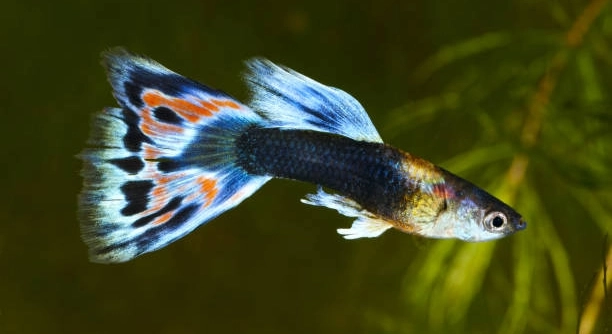
Are your guppies hiding, losing color, or acting differently after changes in their tank? These signs often point to stress.
The most effective way to reduce guppy stress is by maintaining stable water conditions. Consistent temperature, clean water, and low ammonia levels help prevent health issues and keep your guppies calm and active.
Reducing stress can improve their behavior, color, and overall well-being. Let’s look at simple ways you can help.
Keep the Water Parameters Stable
Maintaining steady water conditions is one of the most important ways to help your guppies stay relaxed. Guppies are sensitive to changes in their environment, especially fluctuations in temperature, pH, ammonia, nitrites, and nitrates. If any of these spike or drop suddenly, it can quickly lead to stress. Using a water test kit weekly can help you stay on top of things. Aim to keep the temperature between 74°F and 82°F, with a pH around 7.0 to 7.2. Avoid overfeeding, and do partial water changes regularly to keep toxins in check. Even if your tank looks clean, invisible waste can still build up. It’s also important to use a dechlorinator every time you add tap water. Stability is key—drastic changes, even with good intentions, can unsettle your guppies and lower their immunity.
Sticking to a consistent routine makes your guppies feel safer and helps them avoid stress-related illnesses.
If your guppies appear dull or inactive, unstable water is often the reason. Making minor, consistent adjustments and checking your tank regularly can make a big difference. Avoid large, sudden water changes, and always treat new water. Even experienced keepers rely on test kits to make sure conditions remain balanced.
Limit Noise and Movement Around the Tank
Loud noises and fast movements can make guppies nervous. Avoid tapping on the glass, and place the tank somewhere calm.
Guppies are small, alert fish that can easily be disturbed by sudden vibrations or changes in their surroundings. Placing their tank in a high-traffic area like near a door or television can lead to unnecessary stress. If people frequently walk by, talk loudly, or open and close doors near the aquarium, your guppies may begin to hide more often or become jittery. While they may get used to a steady level of background noise, irregular loud sounds can still trigger a stress response. Try to keep the tank in a quiet, stable spot where lighting stays consistent. At night, be sure the room goes dark so they can rest properly. You can even use a tank background or add plants to create a more secure environment. A peaceful setting helps guppies feel comfortable, which can improve their behavior and appearance.
Add Hiding Spots and Plants
Guppies feel more secure when they have areas to retreat. Live or artificial plants, caves, and decorations help reduce stress by giving them places to hide when startled or overwhelmed by movement or tank mates.
Hiding spots mimic the natural habitats guppies are used to in the wild. They allow the fish to retreat when they feel threatened or overstimulated, lowering stress levels. Live plants like java moss, hornwort, and anacharis are great choices because they offer cover while also improving water quality. If live plants aren’t an option, silk or plastic ones still provide a comforting effect. Avoid overcrowding, though—guppies still need space to swim freely. Add hiding areas near the back and corners of the tank to create safe zones. A few well-placed decorations, like small caves or tunnels, can also give them privacy without blocking too much open space.
Too much exposure without any cover can make guppies feel exposed and anxious. Even dominant guppies benefit from having areas where they can take a break. If your fish constantly chase each other, having separate hiding spots helps reduce aggression too. When guppies feel safer, their immune systems stay stronger, and their color often improves. Observing how they use these spots will also tell you a lot about their comfort level.
Keep Tank Mates Peaceful
Aggressive or overly active tank mates can overwhelm guppies. Choose calm, compatible fish like cory catfish, mollies, or platies. Avoid fin-nippers or species known to bully, especially if your guppies are young or newly introduced.
Not all community fish are a good fit for guppies. Some species may nip at their fins or constantly chase them, even if they’re not technically aggressive. This constant pressure can cause chronic stress, making guppies hide, lose color, or even stop eating. If you notice signs of bullying, it’s better to remove the offending fish rather than wait. Guppies do best in tanks with peaceful fish that occupy different levels—bottom dwellers or mid-swimmers help create balance. It’s also helpful to keep guppies in small groups to spread out any social tension among them. When selecting tank mates, consider size, behavior, and activity level. A calm environment promotes better health, brighter color, and more natural behavior in your guppies.
Avoid Sudden Light Changes
Turning lights on or off too quickly can startle guppies. Use a dim room light before switching on the tank light in the morning. In the evening, turn off the room light first, then the tank light.
Sudden lighting shifts can shock your guppies, especially if the tank goes from complete darkness to bright light. A gentle lighting transition helps reduce that shock and keeps them calmer.
Maintain a Consistent Feeding Schedule
Feeding guppies at the same time each day helps create a routine they can rely on. When they know when to expect food, they become more relaxed and less anxious. Offer small portions once or twice daily, and remove any uneaten food after a few minutes. This prevents overfeeding and keeps the water cleaner. A stable feeding schedule also allows you to monitor their appetite and behavior more closely. If they suddenly stop eating, it can be an early sign of stress or illness. Predictability makes them feel more secure in their environment.
Keep Handling to a Minimum
Netting or chasing guppies around the tank can increase their stress levels quickly. Only handle them when absolutely necessary, like during health checks or tank transfers.
FAQ
What are the signs of stress in guppies?
Stressed guppies often show several noticeable signs. They might hide more than usual, become less active, or stop swimming altogether. You may also see clamped fins, pale or faded colors, and loss of appetite. Some guppies may even gasp near the surface or rub against objects in the tank. Rapid breathing is another common indicator. If the stress continues, they can become more vulnerable to illness or start to isolate themselves from other fish. Pay attention to sudden changes in behavior, as early action can prevent the problem from getting worse.
Can stress cause guppies to die?
Yes, prolonged stress can weaken a guppy’s immune system and lead to illness or death. When guppies are under stress for extended periods, they become more prone to infections, parasites, and other health issues. Stress can be caused by poor water quality, overcrowding, or incompatible tank mates. Even small changes, like loud noises or irregular lighting, can impact their health if it happens regularly. If a guppy dies suddenly, it’s important to check the water parameters and observe the behavior of the remaining fish to catch any ongoing problems early.
How long does it take for a guppy to recover from stress?
Recovery time depends on the cause and how quickly it’s fixed. If the issue is corrected right away—like adjusting water conditions or removing an aggressive tank mate—guppies may start to improve within a day or two. Visible signs like color and activity usually return first. Full recovery, including appetite and social behavior, might take a few more days. However, if the stress went on for a long time or the guppy became ill, recovery could take a week or longer. Monitor them daily, and avoid making additional changes while they’re recovering.
Is it normal for new guppies to be stressed after being added to the tank?
Yes, new guppies often feel stressed during the first few days in a new environment. It’s normal for them to hide, swim erratically, or avoid eating at first. To help them settle in, make sure the water parameters are stable and match their previous environment as closely as possible. Add them to the tank slowly using the drip acclimation method if possible. Keep the lights dim for the first few hours and avoid tapping the glass or crowding the tank. Once they adjust, their behavior should return to normal within a few days.
How often should I check for stress in my guppies?
You should observe your guppies daily for signs of stress. It doesn’t take long—just watch them during feeding or while they swim around. Check that they’re eating, their fins aren’t clamped, and their color looks normal. You should also test the water weekly to catch changes in temperature, pH, or toxins that might cause problems. Regular observation helps you catch small issues before they turn into bigger ones. If you notice one fish acting differently from the rest, it’s best to address it early instead of waiting for the problem to spread.
Can too many guppies in one tank cause stress?
Yes, overcrowding can definitely lead to stress. Guppies need space to swim freely, and too many fish in a small tank increases waste, reduces oxygen levels, and causes competition for food. A good rule is to allow at least one gallon of water per guppy, though more space is always better. Overcrowding can also lead to territorial behavior or fin nipping, especially among males. If your guppies seem restless or are chasing each other often, consider reducing the number or upgrading to a larger tank. Keeping a well-balanced ratio of males to females can also help.
Do guppies get stressed if left alone?
Yes, guppies are social fish and prefer to be in groups. Keeping a single guppy by itself can cause loneliness and stress. Ideally, you should keep them in small groups—at least three to five—to encourage natural behavior and reduce anxiety. A single guppy may become inactive or hide more often without companions. However, it’s still important not to overcrowd. The goal is to provide both social interaction and enough room to move freely. If one guppy seems isolated or bullied, consider adjusting the group or rearranging the tank to improve comfort.
Final Thoughts
Guppies are small, peaceful fish, but they can become stressed easily if their environment isn’t right. Things like sudden lighting changes, poor water quality, overcrowding, or being chased by other fish can all lead to stress. When guppies are stressed, they might hide, stop eating, or show pale colors. These are signs that something in the tank needs attention. By learning what causes stress and knowing how to spot the early signs, you can take action before things get worse. Even small adjustments—like changing how you feed them or reducing noise—can make a big difference.
Keeping guppies healthy means giving them a calm, stable space. That starts with regular maintenance. Check the water temperature and pH often, keep the tank clean, and change the water as needed. Feed them at the same times each day and avoid tapping on the tank or moving things around too much. Adding plants or decorations gives them places to hide, which helps them feel safer. It’s also helpful to watch their behavior each day so you can notice anything unusual early on. Taking these steps makes it easier for your guppies to stay relaxed and live longer.
Reducing stress isn’t about doing everything perfectly. It’s about paying attention and making thoughtful choices. Guppies don’t need expensive gear or complicated care routines. What they really need is consistency, space, clean water, and a bit of attention from you. Whether you’re new to keeping fish or have had guppies before, staying calm and patient will help them stay calm too. When your guppies feel safe and supported, they’ll show brighter colors, swim more freely, and even interact with each other in playful ways. A peaceful tank leads to healthier, happier guppies overall.

Hello,
If you enjoy the content that we create, please consider saying a "Thank You!" by leaving a tip.
Every little bit helps us continue crafting quality advice that supports the health, happiness, and well-being of pets around the world, for pets of all shapes, sizes, and species.
We really appreciate the kindness and support that you show us!