
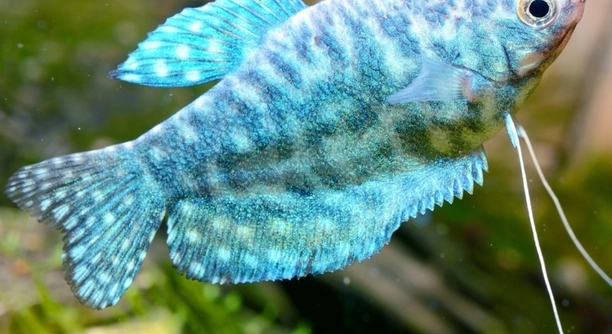
Gouramis are beautiful and peaceful fish, but they can sometimes display territorial behavior, causing stress in your aquarium. Managing this behavior is essential for creating a harmonious environment for all your fish.
Reducing gourami territorial behavior can be achieved by improving tank conditions, increasing hiding spots, ensuring adequate space, and maintaining a balanced fish community. Proper care and attention to their environment can significantly lessen territorial disputes.
Incorporating these strategies will help you address the issues and create a more peaceful aquarium for your gouramis. There are simple steps you can take to promote better behavior and reduce tension between your fish.
Provide Plenty of Space
Gouramis need space to feel comfortable and reduce territorial behavior. When they feel cramped, they become more aggressive towards each other. Ensure your tank is large enough to accommodate the number of fish you have. A bigger tank allows them to have their own space and minimizes the chance of conflict. Typically, a tank of at least 20 gallons is recommended for a small group of gouramis. This extra room can make a big difference in their behavior, allowing them to swim freely without feeling threatened by others. It’s important to keep in mind that overcrowding will stress your fish and increase territorial disputes.
Space isn’t just about physical size; it’s also about the way the tank is arranged. Including plenty of plants and decorations helps break up sightlines, reducing the chance that gouramis will focus on each other.
When setting up your tank, think about the layout. Create multiple areas with plants and decorations to break up the line of sight. This will allow each fish to establish its own area without constant interference. Gouramis will naturally claim territories, but if they can’t see one another all the time, the tension is less likely to rise. The key is to maintain a balance of space, hiding spots, and the right amount of water flow.
Add Hiding Spots and Shelter
Adding hiding spots can help ease territorial aggression among gouramis. Providing these spaces helps reduce stress and lets your fish feel more secure. Consider adding caves, plants, or decorations where gouramis can retreat if they feel threatened.
Hiding spots give gouramis a place to escape when they need a break from potential conflicts. Fish are naturally shy, and having somewhere to hide provides them with a sense of security. Avoid overcrowding the tank with too many items, though, as this can cause other issues like reduced water quality. Balance is key.
Maintain a Balanced Fish Community
Adding fish that are too similar in size or behavior to your gouramis can lead to constant conflicts. It’s best to choose tankmates that are peaceful and won’t challenge your gouramis’ territory. Fish like tetras or rasboras can be ideal companions because they’re generally non-aggressive and won’t interfere much with the gouramis. Avoid larger or overly assertive species, as these may stress your gouramis and worsen territorial issues.
A balanced community can make a huge difference in how your gouramis interact with each other. By selecting tankmates carefully, you can reduce competition for space and food, which often triggers territorial behavior. The goal is to create a peaceful atmosphere where all fish can coexist without feeling threatened. This harmony is essential in ensuring your gouramis don’t become overly aggressive towards one another.
Sometimes, it’s not just the size of the fish that matters, but their temperament. Even peaceful species can disrupt your gouramis’ behavior if they’re too active or dominant. Keep a close eye on interactions, and if necessary, rearrange the tank to give each fish space to thrive.
Improve Water Quality
Gouramis are sensitive to changes in water quality, and poor water conditions can heighten stress, which contributes to territorial behavior. Regularly check water parameters such as pH, ammonia, and nitrate levels to ensure a stable environment. This helps keep your fish calm and reduces any unnecessary tension.
Keeping your tank’s water clean and stable promotes the health of all your fish, not just the gouramis. When water quality is compromised, fish become stressed and may display more territorial aggression. Routine water changes, proper filtration, and testing equipment can prevent issues before they arise. A well-maintained tank encourages natural behavior and helps avoid situations where your gouramis might feel threatened.
Beyond just regular water changes, introducing live plants or a high-quality filtration system can help maintain a healthy environment for your fish. This can improve overall tank conditions, promoting better behavior and allowing your gouramis to feel secure. By focusing on water quality, you’re setting the stage for a peaceful tank.
Separate Aggressive Gouramis
Sometimes, certain gouramis may simply be more territorial or aggressive than others. If you notice one fish constantly picking on others, it might be necessary to separate them. Providing each fish with their own space can help ease tensions and prevent fights from escalating.
If you’re able to isolate aggressive gouramis temporarily, it can give the other fish a break. You can use a tank divider to keep the aggressive fish separated without the need for a whole new tank setup. This allows time for the aggressive gourami to calm down before reintroducing them.
Proper Feeding Practices
Feeding your gouramis properly can help reduce territorial behavior. Overfeeding can create competition for food, causing fights between them. Be sure to provide small, consistent portions that all fish can access easily to avoid stress and aggression.
Feeding too much or too little can lead to territorial disputes. To keep things peaceful, distribute the food evenly and ensure all fish get their fair share. Avoid dropping large amounts of food in one spot, as this can trigger fights over the food. Instead, scatter it around.
FAQ
Why do gouramis become territorial?
Gouramis are naturally territorial fish, especially during their breeding season. In the wild, they create and defend territories to ensure access to food and mates. This instinct is carried over into aquarium life. Territorial behavior can also be triggered by overcrowding, poor tank conditions, or the presence of more dominant fish.
How can I tell if my gourami is being too territorial?
You’ll notice increased aggression if a gourami is overly territorial. This can manifest in chasing, fin nipping, or blocking other fish from certain areas of the tank. They may also display more aggressive body language, like flaring their gills or spreading their fins to appear larger. Keep an eye on how your fish behave towards each other, especially around hiding spots and feeding times.
How can I stop gouramis from fighting?
To stop gouramis from fighting, focus on creating a stress-free environment. Provide plenty of space in the tank, add hiding spots, and maintain proper water quality. Additionally, ensure you’re keeping compatible tankmates. If needed, separate aggressive fish using a tank divider or by setting up a new tank.
Is it normal for gouramis to fight?
It’s normal for gouramis to show some territorial behavior, especially if they are males or feel crowded. However, constant fighting and visible harm to one another is not typical and indicates that there is an issue with the tank setup or the number of fish. In those cases, steps should be taken to reduce aggression.
Can I keep multiple male gouramis together?
It’s not ideal to keep multiple male gouramis in the same tank unless the space is large enough and the tank is set up properly. Males are more likely to be aggressive towards each other, especially if they feel their territory is being threatened. In a smaller tank, this often leads to fights. If you want multiple males, consider a tank of 30 gallons or more and ensure plenty of hiding spots.
What tankmates are best for gouramis?
Ideal tankmates for gouramis are peaceful, non-aggressive fish that won’t compete for territory or food. Smaller species like tetras, rasboras, or peaceful catfish work well. Avoid aggressive or fin-nipping species like large cichlids, bettas, or barbs, as they can stress out your gouramis and cause territorial issues.
How many gouramis should I keep together?
The number of gouramis you can keep together depends on the size of your tank. In a 20-gallon tank, you might want to limit it to two or three gouramis. A larger tank allows more, but always ensure there’s enough space and hiding spots to reduce aggression. Generally, keeping too many gouramis in a small space will increase territorial disputes.
Can water temperature affect gourami behavior?
Yes, water temperature plays a significant role in gourami behavior. These fish thrive in warm waters between 75–80°F (24–27°C). If the water is too cold or too warm, it can cause stress and make them more aggressive. Regularly monitor the temperature and ensure it’s consistent to avoid behavior issues.
How often should I feed my gouramis?
Feed your gouramis small portions twice a day. Overfeeding can lead to territorial disputes, as fish might fight over food. Be sure to remove any uneaten food after 5-10 minutes to maintain water quality. Also, adjust feeding schedules based on the fish’s activity level and tank conditions.
Should I trim my gourami’s fins to reduce aggression?
No, trimming a gourami’s fins is not recommended to reduce aggression. Doing so can harm the fish and make it more vulnerable to disease or stress. Instead, focus on improving the tank environment and managing space, which is the more effective approach to minimizing territorial behavior.
Can adding live plants help with territorial behavior?
Yes, adding live plants can help reduce territorial behavior. Plants create hiding spots and break up sightlines, which can make gouramis feel more secure. They won’t feel the need to defend as much territory if they have areas where they can retreat. Just ensure the plants are well-maintained to avoid water quality issues.
What should I do if my gouramis are constantly hiding?
If your gouramis are constantly hiding, it could be a sign of stress, poor water quality, or an aggressive tankmate. Check the water parameters to make sure they’re within the ideal range. Also, evaluate the overall tank environment for overcrowding or any aggressive fish that might be intimidating the gouramis.
How can I prevent overcrowding in my tank?
Prevent overcrowding by researching the appropriate stocking levels for your tank size. As a rule of thumb, allow 1 inch of fish per gallon of water, though some species need more space. Regularly check on your fish’s growth and behavior to ensure they aren’t being stressed due to lack of space.
What are the signs that my gourami is stressed?
Stressed gouramis may display a lack of appetite, unusual swimming patterns, hiding frequently, or increased aggression. They may also become lethargic or show signs of illness like faded colors or clamped fins. Regular tank maintenance and a peaceful environment can reduce stress and improve their overall well-being.
Is it okay to keep different species of gouramis together?
Yes, different species of gouramis can be kept together, as long as they are peaceful. Species like dwarf gouramis, pearl gouramis, and honey gouramis generally get along well in the same tank. Just ensure they have enough space and hiding spots to reduce potential territorial conflict.
What kind of tank decoration helps with territorial behavior?
Adding plants, rocks, and other decorations can provide hiding spots and break up the sightlines in the tank. Gouramis often become less aggressive if they have areas to retreat to. The layout should offer enough territory for each fish to feel safe without constantly encountering others.
Can gouramis live in a community tank?
Yes, gouramis can live in a community tank, provided they are with peaceful tankmates. A well-balanced community with appropriate fish species and enough space will help reduce territorial behavior. Avoid keeping aggressive or fin-nipping fish, as these may cause stress and trigger territorial aggression in your gouramis.
Final Thoughts
Managing territorial behavior in gouramis is key to creating a peaceful and enjoyable aquarium. Gouramis are naturally territorial, especially in confined spaces, so it’s essential to ensure they have enough room to thrive. A larger tank with plenty of hiding spots helps reduce aggression and allows each fish to feel secure. The right tank size, good water quality, and the addition of plants and decorations all contribute to making your gouramis feel comfortable. When their environment is suitable, they are less likely to fight or stress out, leading to a healthier and happier fish population.
It’s also important to remember that not all territorial behavior is harmful. In many cases, it’s simply part of their natural instinct to establish their space. However, when this behavior becomes excessive, it can cause stress and harm to other fish in the tank. Monitoring your fish closely and adjusting their environment when needed is a key part of keeping things balanced. If you notice one gourami being too aggressive or causing harm to others, it may be necessary to take action by either removing the aggressor or adjusting the tank setup to make things calmer. Over time, you’ll be able to recognize what works best for your specific gouramis and how they interact with their tankmates.
Lastly, be mindful of the tankmates you choose for your gouramis. While they are generally peaceful fish, certain species can provoke territorial disputes if they are overly assertive or competitive. Selecting the right companions, such as peaceful species that won’t challenge the gouramis, can make a big difference in reducing aggression. Proper feeding practices are also important, as food competition can trigger fights. By maintaining a stable, peaceful environment, your gouramis can live together without the stress of constant territorial disputes, allowing you to enjoy your aquarium to its fullest.

Hello,
If you enjoy the content that we create, please consider saying a "Thank You!" by leaving a tip.
Every little bit helps us continue crafting quality advice that supports the health, happiness, and well-being of pets around the world, for pets of all shapes, sizes, and species.
We really appreciate the kindness and support that you show us!