
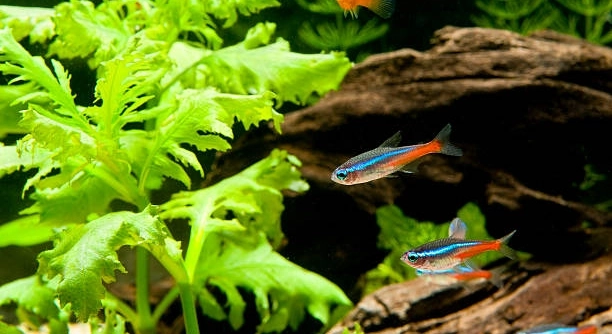
Upgrading your fish tank can be an exciting change, but it can also be stressful for your aquatic pets. Fish can easily become agitated during this process, which may affect their health. Knowing how to reduce their stress can make a big difference.
To minimize fish stress during tank upgrades, focus on maintaining stable water parameters, gradual acclimation to the new tank, and creating a comfortable environment. Use a temporary setup to reduce disruption and avoid sudden changes in lighting, temperature, or water chemistry.
There are several ways to ensure your fish stay comfortable and calm during the upgrade. Understanding these steps will help make the transition as smooth as possible for both you and your fish.
1. Gradually Introduce Changes to the Tank Setup
When upgrading your fish tank, one of the best things you can do is make gradual changes to the setup. Fish are sensitive to sudden shifts in their environment, so introducing changes slowly can help them adjust without excessive stress. Start by installing the new equipment, like filters or heaters, before adding or removing decorations. This way, your fish will get used to the new setup gradually without feeling overwhelmed.
Taking your time to introduce these changes can give your fish a chance to acclimate without triggering stress. Start by adding the new filter, but keep the old one running alongside it for a few days. You can also rearrange decorations over time rather than all at once, so your fish don’t feel disoriented. Doing this will help them feel secure and less likely to hide or act erratically.
It’s important to remember that the more sudden the change, the more likely it is to cause stress. Whether it’s a new filter, different substrate, or new decorations, introducing these upgrades slowly helps your fish feel more at ease. Keeping the water chemistry as stable as possible will also aid in reducing the shock of the changes.
2. Maintain Stable Water Parameters
Water quality plays a key role in the well-being of your fish. It’s important to monitor parameters such as temperature, pH, ammonia, nitrite, and nitrate levels during a tank upgrade. Fluctuations can cause your fish to become stressed, which can lead to health problems.
During tank upgrades, ensure the new setup mimics the water conditions from the old tank. It may seem obvious, but even small changes in pH or temperature can affect fish significantly. If you are changing the substrate or adding new decorations, check the water frequently to ensure it remains safe. It’s also wise to perform water tests daily for a week or so after setting up the new tank to spot any issues early.
When switching tanks, try to keep as much of the old water as possible, or at least use water from the original tank to fill the new one. This will help ease the transition and maintain the consistency of the environment. Adding biological media from your old filter can also help preserve the beneficial bacteria that keep the tank’s ecosystem stable.
3. Keep Lighting Conditions Consistent
Sudden changes in lighting can stress out fish, so it’s important to maintain the same lighting schedule. Fish rely on their circadian rhythms, and disruptions can cause confusion. If you’re adding new lights or upgrading the tank, make sure the lighting intensity and timing stay as close to the old setup as possible.
If you’re changing light types or adding new features like plant growth lights, do it gradually. Start by keeping the original lights on for a few hours before switching to the new lighting system. Avoid any drastic changes in light intensity, as this can upset your fish’s natural rhythms. Also, keep the lighting schedule similar to the previous setup, as abrupt changes can confuse fish and make them more anxious.
If you plan to adjust the lighting for plant growth or aesthetic purposes, be patient. Changes should be made over the course of several days or weeks. Too much light at once can result in algae blooms, which may further complicate the tank’s environment and stress the fish. Keeping the lighting as stable as possible helps the fish maintain their comfort.
4. Use a Temporary Setup for Added Comfort
A temporary setup can provide a much-needed buffer for your fish during a tank upgrade. Moving fish from one tank to another can be a lot for them to handle, so using a temporary home ensures that they are safe and not too stressed during the process. This will allow you to work on the main tank without worrying about their well-being.
Using a temporary tank or holding container while upgrading allows you to perform maintenance on the main tank, clean it thoroughly, and set up the new equipment without constantly disturbing your fish. It’s a less chaotic approach for both you and your fish. Make sure the temporary tank is suitable for your fish size, and maintain similar water conditions to avoid shock. The fish will stay safe, and you can take your time with the main setup.
Setting up the temporary tank with proper filtration, heating, and water movement is essential. A stable and comfortable environment will keep your fish calm and allow them to adjust to the main tank’s changes once the upgrade is complete. Keep the temporary tank in a quiet area to minimize disturbances and give your fish time to relax.
5. Avoid Overcrowding During the Transition
Overcrowding can lead to heightened stress levels, so it’s essential to avoid packing too many fish into the new tank during the upgrade. Giving them space to move around will help them adjust more easily.
Before transferring all your fish, consider placing only a few in the new setup at first. This allows them to acclimate to their new surroundings without the added stress of too many tank mates. As they settle in, gradually reintroduce the other fish. This will give each fish time to adjust without feeling overwhelmed.
6. Keep the Tank’s Temperature Stable
Fluctuations in temperature can cause your fish distress. When upgrading your tank, try to maintain the same temperature as the previous tank. Sudden changes can trigger a stress response, making it harder for your fish to acclimate.
Using a reliable heater and thermometer will help stabilize the water temperature. Make sure the heater is working properly and that you’ve checked the temperature regularly. Avoid making any drastic changes, especially during the upgrade process, as keeping the temperature consistent reduces the chance of thermal shock.
7. Minimize Noise and Vibrations
Fish are sensitive to noise and vibrations, which can be a source of stress. During a tank upgrade, try to minimize loud sounds and vibrations around the tank. This is especially important when you’re installing new equipment.
When setting up or making adjustments to your tank, do so quietly and calmly. Avoid slamming the tank or any surrounding surfaces. Even activities like vacuuming nearby or slamming doors can disturb the fish. Keeping the environment calm will help the fish stay relaxed during the upgrade process.
FAQ
How long should I leave my fish in the temporary setup?
The amount of time your fish should stay in the temporary setup depends on the extent of the tank upgrade. If you’re just upgrading equipment or adding decorations, the fish can stay in the temporary setup for a few hours to a day. For larger changes, like transferring to a completely new tank, the fish might need to stay in the temporary setup for a few days. The key is to minimize any stress from sudden changes, so keeping them in the temporary setup as long as necessary is essential.
Can I add new fish after the tank upgrade?
Yes, but you should proceed with caution. Adding new fish too soon after a tank upgrade can cause stress, both to the existing fish and the newcomers. It’s a good idea to wait a week or two for the tank to stabilize. Make sure water parameters are consistent and that the tank has had time to cycle with the current fish before introducing new ones. Always quarantine new fish before adding them to your main tank to prevent introducing diseases.
How can I prevent my fish from hiding during the upgrade?
Hiding is a common response to stress, and it’s natural for fish to seek shelter when they feel threatened. To reduce this behavior, provide plenty of hiding spots in the tank. Use plants, rocks, or decorations that offer places for the fish to retreat if they feel overwhelmed. Avoid causing excessive disturbances in the tank while the fish are adjusting. Maintaining stable water conditions will also help make them feel more comfortable and less inclined to hide.
Is it safe to change the water during a tank upgrade?
Yes, it’s safe to change some water during a tank upgrade, but it should be done carefully. When you move fish or rearrange decorations, perform a partial water change to maintain water quality. If you’re upgrading filtration or adding new equipment, be sure to check that the water parameters are stable before adding your fish back. Avoid completely draining and refilling the tank, as sudden changes in water quality can stress the fish.
How can I help my fish adjust to a new tank setup?
To help your fish adjust, introduce the changes gradually. Move equipment or decorations in stages and avoid overwhelming them with sudden, drastic changes. Keep water conditions as similar as possible to the previous setup and monitor parameters regularly. If you need to add new fish, introduce them slowly, giving your existing fish time to adjust to each new addition. Be sure to maintain a consistent lighting schedule and avoid loud noises or vibrations near the tank.
What should I do if my fish seem stressed after the upgrade?
If your fish show signs of stress after the upgrade, such as erratic swimming, hiding, or clamped fins, check the water parameters immediately. Ensure that the temperature, pH, ammonia, nitrite, and nitrate levels are within safe ranges. If you made significant changes, consider moving the fish to a temporary setup to give them a break from the new environment. It’s also helpful to minimize disturbances and reduce light intensity for a few days. Be patient, as it can take time for fish to settle into their new surroundings.
Can I use the same decorations and substrate in the new tank?
Using the same decorations and substrate is a good idea to help your fish adjust more easily. This helps maintain familiar hiding spots and the overall environment. However, be sure to clean everything thoroughly before reusing it, especially if you’ve had any issues with algae or parasites in the old tank. You may want to add a few new decorations to give the tank a refreshed look, but avoid a complete overhaul of the setup.
How often should I check the water quality after a tank upgrade?
You should check the water quality at least once a day during the first week after a tank upgrade. This is especially important if you’re making significant changes like adding new fish, changing filters, or switching out substrate. Test for ammonia, nitrite, nitrate, pH, and temperature to ensure everything is within safe ranges. Once the tank has stabilized, you can test the water weekly, but the first few days are critical for monitoring.
Is it necessary to use a quarantine tank for new fish after an upgrade?
Yes, using a quarantine tank is highly recommended when introducing new fish to your tank, especially after an upgrade. A quarantine tank helps prevent the introduction of diseases and gives the new fish time to adjust to the environment without affecting the main tank. This step is particularly important after a tank upgrade because the existing fish are already adjusting to the changes, and introducing potentially sick fish can increase stress levels or lead to health issues.
Final Thoughts
Upgrading your fish tank can be an exciting change, but it’s important to consider how it affects your fish. Fish are sensitive to their environment, and even small changes can cause them stress. The key to a smooth upgrade is to make adjustments gradually, keeping their environment as stable as possible. Sudden shifts, like changing water conditions or rearranging decorations all at once, can overwhelm your fish and cause them to become stressed or sick. By taking your time and planning ahead, you can help them adjust with minimal disruption.
During the upgrade process, it’s also important to focus on water quality and temperature stability. Keeping the water parameters consistent will prevent shocks to your fish’s system. Whether you’re changing the tank’s substrate, upgrading the filter, or adding new plants, gradual changes to these elements can help ease the transition. Also, keeping the lighting schedule similar to the old setup will support your fish’s natural rhythm, reducing stress. If you take care to monitor these factors closely, your fish will have a much better chance of adjusting to the new tank without complications.
Finally, patience is essential. Fish take time to adapt, and you may notice some changes in behavior as they get used to their new surroundings. By giving them space and ensuring their water conditions remain stable, you’ll help them adjust more easily. Remember that even after the upgrade is complete, it’s important to keep monitoring the tank regularly. Small changes and daily observations will ensure your fish are healthy and happy in their new environment. The more careful you are with the process, the less stressful the transition will be for your fish.

Hello,
If you enjoy the content that we create, please consider saying a "Thank You!" by leaving a tip.
Every little bit helps us continue crafting quality advice that supports the health, happiness, and well-being of pets around the world, for pets of all shapes, sizes, and species.
We really appreciate the kindness and support that you show us!