
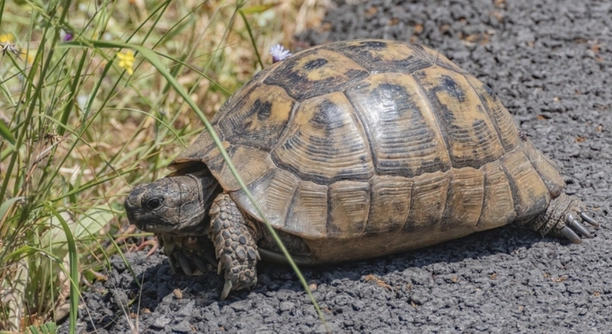
Boredom is a common issue for pet owners, especially when it comes to reptiles like Russian tortoises. These slow-moving creatures need stimulation to stay healthy and happy.
Russian tortoises require a variety of activities to prevent boredom and stress. Providing them with a stimulating environment, such as hiding spots, different textures, and objects to climb, will engage them and encourage natural behaviors, reducing their overall boredom.
By incorporating a few simple changes, you can improve your tortoise’s quality of life and create a more enriching environment. These small adjustments can make a noticeable difference in your pet’s well-being.
Create a Varied and Stimulating Habitat
A well-designed habitat can make a huge difference for your Russian tortoise. A bland, empty enclosure will only lead to boredom. Adding variety in the form of hides, rocks, and different textures for climbing or digging encourages them to explore. Changing the layout every few weeks also keeps things fresh and interesting for them. Tortoises are naturally curious creatures and benefit from an environment that mimics the diverse terrain of their native habitat.
Switching up the terrain keeps them engaged and allows them to exhibit natural behaviors. The more you can make their enclosure dynamic, the better. Adding new elements occasionally can stimulate their minds and prevent them from becoming restless.
Including a few plants, like non-toxic grasses or herbs, can enhance the habitat further. They can nibble on these plants, adding both mental and physical enrichment. By making simple changes to their environment, you’ll keep your tortoise active and entertained. Be sure to monitor their behavior to see which adjustments they respond to most positively.
Provide Opportunities for Foraging
Foraging is an important activity for Russian tortoises. In the wild, they spend a lot of time searching for food. Recreating this behavior in captivity can keep them mentally stimulated and happy. Simply scattering their food or hiding treats around their enclosure gives them a chance to forage naturally.
This also mimics their natural instincts and makes mealtime more interesting for them. You can hide food under rocks, in leaves, or behind other objects in their habitat. It might take a little extra time, but watching your tortoise explore and search will make a huge difference in reducing boredom.
Making foraging part of your tortoise’s routine encourages them to stay active, which is beneficial for their health. It’s an easy and effective way to keep them engaged. If you’re creative, you can come up with new ways to hide their food that will spark curiosity and excitement each time.
Use Different Substrates for Exploration
Switching up the type of substrate in your tortoise’s enclosure can add variety and keep them intrigued. Different textures like soil, sand, or moss will provide new sensory experiences. This small change can help your tortoise explore more and stay engaged. You can even add small pebbles or leaves to encourage digging.
Tortoises enjoy burrowing and digging through different materials, which can mimic their natural behaviors. Offering a variety of textures gives them a chance to experience new sensations and encourages more exploration. Over time, they’ll start interacting more with the environment, reducing any feelings of boredom.
Just be mindful of the substrate’s safety and ensure it’s non-toxic. You can try alternating between substrates to give your tortoise a fresh experience. This keeps their habitat exciting and satisfying. A simple change like this can spark their curiosity and help them feel more at ease in their environment.
Add Interactive Toys or Objects
Introducing toys or interactive objects into your tortoise’s enclosure will give them something new to engage with. Simple things like tunnels, ramps, or movable objects are perfect for stimulating your tortoise’s mind. These objects encourage them to explore, climb, and interact, keeping them from getting bored.
The key is to offer items that encourage natural behaviors, like hiding or climbing. Tortoises naturally explore their surroundings, so offering something to climb or hide under will provide both mental and physical stimulation. Items like cork bark, wooden logs, or even cardboard tubes can be used for this purpose.
Incorporating toys into their routine doesn’t require much effort but can yield significant results in reducing boredom. By changing these objects out regularly, your tortoise will always have something fresh to interact with. Over time, you’ll notice how these toys promote active, curious behavior, benefiting both their health and happiness.
Introduce New Foods Regularly
Adding variety to your tortoise’s diet can be a simple way to combat boredom. Offering new vegetables or edible flowers keeps mealtime exciting. Change up their meals so they don’t expect the same thing every day. This also encourages healthy eating habits.
New foods can be a fun way to engage your tortoise’s senses. They’ll enjoy exploring and nibbling on different tastes, which will give them something to look forward to. Just be sure to introduce new foods slowly to avoid upsetting their digestive system. A varied diet also mimics natural foraging.
Provide a Spacious Enclosure
A cramped space limits your tortoise’s ability to explore and move freely. Ensure their enclosure is large enough for them to roam and explore comfortably. A larger space provides more opportunities for enrichment and reduces the chance of boredom.
With ample space, your tortoise can engage in natural behaviors like wandering, climbing, or even digging. Providing enough room to move around makes a big difference in their well-being. The more freedom they have, the less likely they are to feel bored or stressed in their environment.
Incorporate Sunlight or UVB Lighting
Russian tortoises need proper lighting to stay healthy. Natural sunlight is ideal, but if it’s not available, use UVB lighting to mimic the sun’s effects. This is essential for their vitamin D3 production, which keeps their shell strong and their overall health in check.
UVB lighting also encourages more active behavior. When your tortoise receives the right amount of UV light, it will help them maintain a healthy metabolism. Proper lighting ensures they have the energy to explore and stay engaged in their environment.
FAQ
How often should I change my Russian tortoise’s enclosure layout?
It’s a good idea to rearrange your tortoise’s enclosure every few weeks. Changing the layout helps keep their environment fresh and exciting, encouraging exploration. Tortoises are curious animals, and switching things up prevents them from getting bored. You don’t have to do anything drastic—just move things around to create new paths or hiding spots.
Can I use sand as a substrate for my Russian tortoise?
Yes, sand is fine as long as it’s clean and non-toxic. Some tortoises enjoy digging in sand, and it can mimic their natural environment. However, make sure the sand isn’t too fine, as it could irritate their respiratory system if inhaled. Mixing sand with soil is also a good option to add variety and texture.
Are there any specific plants I should add to my tortoise’s habitat?
You can add safe, edible plants like dandelions, clover, and hibiscus. These are not only healthy snacks for your tortoise but also provide a more natural look to their enclosure. Make sure to avoid toxic plants like foxglove or lily of the valley. Always research a plant before adding it to their habitat.
What type of hiding spots should I provide for my Russian tortoise?
Tortoises enjoy having places where they can retreat and feel secure. You can add things like caves, logs, or even upside-down plant pots. These hides should be large enough for your tortoise to move in and out of comfortably. Creating several hide options in different areas of the enclosure adds more stimulation.
How do I know if my Russian tortoise is bored?
If your tortoise seems lethargic, spends a lot of time in one spot, or ignores its food, boredom could be the issue. Tortoises that are bored may also become more aggressive or show signs of stress. Adding variety to their habitat and diet can help encourage natural behaviors and reduce these signs.
Can I give my tortoise toys?
Yes, toys are a great way to keep your tortoise entertained. Simple items like tunnels, ramps, and climbing logs can provide mental stimulation. Just make sure any toys are safe and non-toxic. Avoid small objects that could be swallowed. Also, remember that not all tortoises are interested in toys, so observe your pet’s behavior to see what works best.
Is it necessary to provide water for my Russian tortoise?
Yes, fresh water should always be available for your tortoise. Russian tortoises do not swim but will drink from a shallow dish. It’s important to make sure the water is clean and changed daily. Some tortoises also like to soak in water for hydration, so providing a shallow soaking area can be beneficial.
How much space does my Russian tortoise need?
The more space you can give, the better. Ideally, the enclosure should be at least 4 feet long for a single tortoise. Russian tortoises enjoy roaming, so providing a large area allows them to engage in natural behaviors like walking and foraging. A bigger space helps prevent boredom and stress.
Can I let my Russian tortoise roam outside?
Yes, Russian tortoises can be safely allowed outside during warm weather, but only in secure areas. Be sure to create a safe outdoor environment with barriers to keep them from escaping. Always supervise them, as they can wander off or get into dangerous situations like sharp objects or predators.
How do I encourage my tortoise to eat new foods?
Introduce new foods gradually to avoid upsetting their stomach. Start by offering a small amount alongside their usual food. Over time, increase the amount of the new food to help them get used to it. Tortoises are creatures of habit, so it may take a few tries before they accept a new food.
What should I do if my Russian tortoise is not eating?
If your tortoise isn’t eating, it could be a sign of stress or an underlying health issue. Check if its environment is suitable—ensure proper temperature, humidity, and lighting. If the behavior continues for several days, consult with a veterinarian to rule out health problems.
Final Thoughts
Keeping a Russian tortoise engaged and active is essential for its well-being. Like many reptiles, they thrive when their environment challenges them both physically and mentally. By creating a varied and stimulating habitat, offering new foods, and adding interactive toys, you can help reduce boredom and encourage your tortoise to explore more. Small changes, like switching up substrates or rearranging the enclosure, can make a noticeable difference in their behavior.
It’s also important to pay attention to your tortoise’s natural behaviors. Allowing them to forage for food, providing opportunities to climb or hide, and ensuring they have enough space to roam will keep them satisfied. You’ll notice your tortoise becoming more active and engaged when they have the chance to express these behaviors. Regularly monitoring their health, lighting, and temperature also plays a significant role in reducing stress and boredom.
Above all, Russian tortoises are creatures of habit, so consistency is key. Keep their environment clean, safe, and enriching, and be mindful of how they respond to new additions. Over time, you’ll learn what works best for your tortoise and how to create the ideal setting for them to thrive. Whether you’re a first-time tortoise owner or have had one for years, these small efforts can make a big impact on your pet’s quality of life.

Hello,
If you enjoy the content that we create, please consider saying a "Thank You!" by leaving a tip.
Every little bit helps us continue crafting quality advice that supports the health, happiness, and well-being of pets around the world, for pets of all shapes, sizes, and species.
We really appreciate the kindness and support that you show us!