
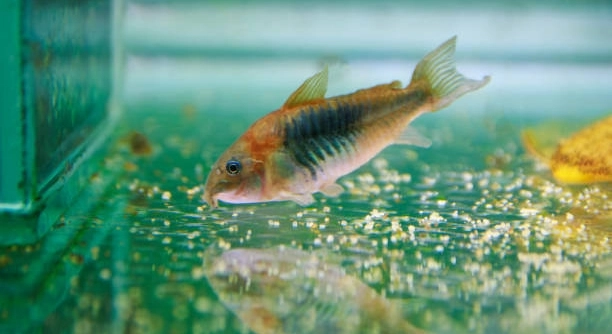
Is your Corydoras catfish tank showing signs of stress or cloudiness, making you worry about the well-being of your fish?
Reducing ammonia levels in a Corydoras catfish tank requires consistent tank maintenance, regular water changes, proper filtration, and careful feeding habits. These methods work together to minimize waste buildup and help maintain a stable and healthy aquatic environment.
A cleaner tank means healthier fish and fewer problems in the long run, making your aquarium easier to manage and enjoy.
Clean the Tank Regularly
One of the easiest ways to reduce ammonia in your Corydoras tank is by cleaning it on a regular schedule. Waste from uneaten food, decaying plants, and fish waste can quickly build up and affect water quality. By vacuuming the substrate and removing debris, you help prevent ammonia from spiking. Do this at least once a week or more often if your tank is heavily stocked. Removing visible waste, wiping down the glass, and trimming dead plant matter can keep the environment healthier for your Corydoras. Regular cleaning also allows you to catch small issues early.
Cleaning doesn’t have to take long. A simple 10–15 minute routine once a week makes a difference.
Corydoras catfish are sensitive to poor water conditions. A cleaner tank not only reduces stress on your fish but also supports their immune system. Staying consistent with maintenance means fewer problems and a more stable environment overall.
Avoid Overfeeding
Overfeeding is one of the main reasons ammonia spikes in freshwater tanks.
Feed your Corydoras once or twice a day, and only offer what they can finish in a few minutes. Uneaten food sinks, rots, and breaks down into ammonia. This can quickly throw off your water parameters. Use a feeding dish or designated area to keep food from scattering, and remove leftovers after ten minutes. Keep track of how much your fish actually eat and adjust portion sizes as needed. When possible, use sinking pellets or wafers made specifically for bottom feeders, since they’re less likely to dissolve and foul the water. It’s also helpful to schedule one or two “fasting” days per week. This gives the filter time to catch up and helps prevent long-term buildup of waste. Your fish won’t suffer from occasional skipped meals—they’ll actually benefit from it. Being mindful with feeding habits goes a long way in keeping your tank cleaner and more balanced.
Add Live Plants
Live plants help absorb ammonia naturally as part of their growth cycle. They also improve oxygen levels and offer hiding spots for your Corydoras. Even low-maintenance plants like java fern or hornwort can make a noticeable difference in water quality.
Choose hardy species that thrive in your tank’s conditions. Floating plants like duckweed or water lettuce are also helpful since they absorb nutrients directly from the water. Make sure your lighting supports plant growth, and remove any decaying leaves right away to avoid extra waste. Don’t overcrowd the tank, but aim to have a healthy balance of plant coverage and open space. Adding plants gradually lets you monitor changes in water parameters and gives time for root systems to establish. Live plants not only help stabilize ammonia but also create a more natural environment that reduces stress for your Corydoras.
Having plants in your tank can create a healthier and more balanced system overall. They compete with algae for nutrients, support biological filtration, and help maintain better overall water quality. With the added bonus of making your tank more attractive, it’s a simple yet powerful step toward a cleaner, more stable setup. Over time, you may notice less frequent ammonia spikes and healthier, more active fish.
Use a Stronger Filter
Using a stronger filter helps control ammonia by improving circulation and biological filtration. Filters with higher flow rates can move more water through beneficial bacteria colonies, which convert ammonia into less harmful substances.
Choose a filter that matches or slightly exceeds your tank’s size. Look for models with mechanical, chemical, and biological stages for complete filtration. Biological media is especially important because it gives good bacteria plenty of surface area to grow. If needed, add extra bio-media to your current setup. Make sure the flow isn’t too strong for your Corydoras, who prefer gentle water. Place the filter where it can circulate water evenly, avoiding dead zones where waste might settle. Rinse filter pads in old tank water to avoid killing the bacteria. A well-maintained and properly sized filter can significantly lower ammonia levels and help keep your tank running smoothly day after day.
Test Your Water Often
Testing your tank water helps you catch ammonia spikes before they cause harm. Use a liquid test kit instead of strips for more accurate readings. Testing two to three times a week is a good habit.
Keep a log of your results so you can track patterns over time. If ammonia levels begin to rise, it’s easier to respond quickly. Regular testing also gives peace of mind and helps you fine-tune feeding, water changes, or filter adjustments as needed.
Add Beneficial Bacteria
Adding bottled beneficial bacteria can support your tank’s nitrogen cycle, especially after a water change or when setting up a new tank. These products help break down ammonia into nitrite, then into less harmful nitrate. While your filter media hosts most of the bacteria, boosting it now and then can improve stability. Follow the dosage instructions carefully and store the product as recommended to maintain its effectiveness. This is especially helpful if you’ve cleaned the filter or replaced media, since that can temporarily reduce your bacteria population. Look for brands with a good reputation and avoid products with unclear ingredients.
Avoid Overcrowding
Too many fish create more waste than your tank can handle, even with good filtration. Keep stocking levels appropriate for the tank size and always consider adult fish size, not just juveniles.
FAQ
What are the signs of high ammonia levels in a Corydoras tank?
High ammonia levels can lead to several noticeable issues in your Corydoras tank. Common signs include fish gasping at the surface, lethargy, and a loss of appetite. The water may appear cloudy or have a strong, pungent smell. Your Corydoras may also show signs of stress like hiding more than usual or rubbing against decorations or the substrate. A rapid ammonia spike can also cause visible damage to your fish, like red or inflamed gills. Regular water testing is crucial to catching ammonia issues early before they harm your fish.
How often should I perform water changes to lower ammonia?
Performing regular water changes is one of the most effective ways to lower ammonia levels. In a well-established tank, changing 20–30% of the water every 1–2 weeks is usually enough. However, if ammonia levels are high, consider doing smaller, more frequent changes of about 10–15% every 2–3 days until levels stabilize. Be sure to match the water temperature and use a water conditioner to remove chlorine or chloramine, which can harm your fish. Frequent testing will guide you in adjusting the frequency and amount of water changed.
Can plants help reduce ammonia levels?
Yes, live plants can help absorb excess ammonia and improve water quality in your Corydoras tank. Plants take up ammonia as a nitrogen source for growth, reducing the overall concentration in the water. Fast-growing plants, such as java moss, hornwort, and water lettuce, are especially effective in this regard. Be sure to regularly trim dead or decaying leaves, as they can break down and release ammonia back into the water. The presence of plants also improves oxygen levels and provides hiding spaces for your Corydoras.
Do I need to add a protein skimmer to reduce ammonia?
Protein skimmers are more commonly used in saltwater tanks, as they are designed to remove organic waste before it decomposes into ammonia. In a freshwater Corydoras tank, a protein skimmer is usually unnecessary. Instead, focus on having a strong biological filtration system, regular water changes, and good tank maintenance practices. A high-quality filter, along with the addition of beneficial bacteria and live plants, will do a much better job of managing ammonia levels in a freshwater tank.
Is it safe to add ammonia-removing products to my tank?
While ammonia-removing products are available, they should be used cautiously. Some of these products can temporarily reduce ammonia levels but don’t address the root cause of the problem. Additionally, they may interfere with your tank’s biological filtration by killing beneficial bacteria. If you do choose to use an ammonia remover, follow the instructions carefully, and don’t rely on it as a long-term solution. Regular water changes, proper filtration, and reducing waste are far more effective at keeping ammonia levels in check.
How do I know if my filter is working properly?
A properly functioning filter is essential for maintaining low ammonia levels in your Corydoras tank. To check if your filter is working correctly, observe water flow and check for debris removal. If the water is not circulating properly, or if you notice a build-up of waste in the tank, your filter may need cleaning or maintenance. Also, check the filter media and ensure it’s not clogged. Bio-media, which houses beneficial bacteria, should be rinsed gently in tank water to preserve these bacteria. If you suspect the filter is too weak for your tank size, upgrading to a more powerful model may be necessary.
Can ammonia affect Corydoras catfish more than other fish?
Corydoras are sensitive to poor water conditions, including ammonia, more than some other species. While all fish can be harmed by high ammonia levels, Corydoras, being bottom dwellers, are in closer contact with waste and ammonia-laden debris on the tank floor. This makes them more vulnerable to the toxic effects of ammonia. Signs of ammonia poisoning, such as difficulty breathing and lethargy, can be more severe in Corydoras compared to other fish species. Maintaining a clean tank, monitoring ammonia levels, and providing proper filtration is especially important for the health of Corydoras.
Can I reduce ammonia by adding a UV sterilizer?
A UV sterilizer can help control algae and some pathogens in your tank, but it won’t directly reduce ammonia levels. While UV sterilizers are useful for improving water clarity and preventing disease, they do not address ammonia or nitrate build-up. To lower ammonia, focus on proper filtration, live plants, and regular water changes. UV sterilizers can be a helpful addition to an already well-maintained tank, but they should not be relied upon as the main method of controlling ammonia.
How can I prevent ammonia buildup in a new tank?
In a new tank, it’s important to establish a stable biological filter through a process called cycling. Cycling allows beneficial bacteria to colonize the filter media, which helps break down ammonia into less harmful substances. During the cycling process, perform regular water changes and monitor ammonia levels closely. You can speed up the process by adding a source of ammonia, like fish food or pure ammonia, or by using bottled bacteria products. Never add too many fish at once, as this can overwhelm the filter and lead to ammonia spikes. Patience during this phase is key to avoiding long-term issues.
How does overfeeding contribute to ammonia buildup?
Overfeeding is one of the biggest contributors to ammonia buildup in your tank. When you feed your Corydoras more food than they can consume, the leftover food decomposes and releases ammonia into the water. This can quickly lead to poor water quality and stress for your fish. To avoid overfeeding, feed small amounts and only what your Corydoras can eat in a few minutes. Remove any uneaten food after feeding to prevent waste accumulation. By keeping feeding habits in check, you’ll reduce the chances of ammonia spikes in your tank.
How does a deep substrate help with ammonia control?
A deep substrate can help reduce ammonia buildup by providing more surface area for beneficial bacteria to grow. These bacteria break down waste and ammonia in the tank, converting it into less harmful substances. The deeper the substrate, the more room there is for these bacteria to establish colonies. However, be cautious not to let the substrate become too compacted, as this can reduce oxygen flow and create anaerobic areas where harmful bacteria thrive. Regular vacuuming and maintenance are still needed to keep the substrate clean and prevent ammonia buildup.
Is it safe to use a sponge filter for ammonia control?
A sponge filter can be effective in controlling ammonia, especially in smaller tanks or for delicate species like Corydoras. Sponge filters provide both mechanical and biological filtration, which helps break down ammonia into less toxic substances. They create gentle water movement, which is ideal for bottom dwellers like Corydoras. The key to using a sponge filter for ammonia control is to ensure it’s properly sized for your tank and cleaned regularly. Sponge filters can work well alongside other filtration methods to help keep ammonia levels in check.
Final Thoughts
Maintaining low ammonia levels is crucial for the health of your Corydoras catfish. Ammonia is toxic to fish and can cause stress, illness, and even death if left unchecked. Regular water testing is key to identifying ammonia spikes early. By performing routine water changes and using proper filtration, you can prevent ammonia buildup in your tank. Ensuring your tank is properly cycled and has sufficient biological filtration will go a long way in keeping your fish safe.
Adding live plants and monitoring your feeding habits can also help reduce ammonia levels. Plants naturally absorb excess ammonia, and feeding your fish only what they can consume prevents uneaten food from decomposing and releasing ammonia into the water. It’s also important to keep an eye on the health of your filter. A good filter can make all the difference in keeping your tank clean and your fish healthy. If you’re unsure whether your filter is working properly, regular maintenance and cleaning will ensure it continues to do its job.
In the end, controlling ammonia levels in a Corydoras tank takes a bit of effort, but the rewards are worth it. Healthy water conditions will not only protect your fish from ammonia poisoning but also encourage natural behaviors and a happier, thriving tank. By staying on top of your tank’s maintenance and making small adjustments when needed, you’ll create a safer and more enjoyable environment for your Corydoras.

Hello,
If you enjoy the content that we create, please consider saying a "Thank You!" by leaving a tip.
Every little bit helps us continue crafting quality advice that supports the health, happiness, and well-being of pets around the world, for pets of all shapes, sizes, and species.
We really appreciate the kindness and support that you show us!