
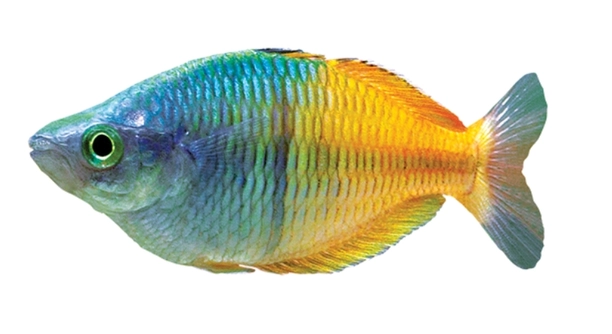
Rainbow fish are often known for their vibrant colors and playful behavior, but aggression can sometimes become a problem. This article will guide you through simple yet effective ways to reduce aggression in your rainbow fish.
To reduce aggression in rainbow fish, it’s essential to focus on providing ample space, proper tank mates, and balanced water conditions. Ensuring your fish are well-fed and not stressed can also help minimize aggressive behavior.
Addressing these factors can improve your fish’s well-being and create a more peaceful environment in your aquarium.
Provide Adequate Space
Rainbow fish, like all fish, thrive when they have enough space to swim. If your aquarium is too small, it can cause stress, which may lead to aggressive behaviors. The ideal tank size depends on the species, but generally, a larger tank will help reduce territorial disputes. Aim for at least 30 gallons for a small group of rainbow fish. When fish feel cramped, they may start fighting over territory or resources.
Giving your rainbow fish enough space can significantly reduce aggression. When fish have room to explore and establish their own territories, they are less likely to clash. A spacious tank also makes it easier to introduce new fish without causing too much stress to the current residents.
Adding plants, rocks, and decorations can further divide the space, offering hiding spots and promoting peaceful coexistence. These additions allow each fish to feel more secure in their environment, which minimizes the likelihood of confrontations.
Choose the Right Tank Mates
Selecting appropriate tank mates is vital in keeping aggression levels low. Rainbow fish are generally peaceful, but their temperament can be affected by the presence of more aggressive species. Choose fish that are not overly territorial or too aggressive. Ideally, select other peaceful fish of similar size.
Avoid small, slow-moving fish that could become easy targets. Additionally, consider the fish’s behavior and feeding habits to prevent conflict. By carefully selecting tank mates, you can help ensure a more harmonious aquarium environment.
Maintain Stable Water Conditions
Rainbow fish require stable water conditions to stay healthy and calm. Fluctuations in temperature or water quality can lead to stress and aggression. Keep the water temperature between 74°F and 79°F and maintain a consistent pH level, ideally between 6.5 and 7.5. Regular water changes are essential.
Invest in a good filtration system to keep the water clean and reduce toxins. A stable environment helps fish feel secure and reduces the risk of fights. Monitoring water parameters, including ammonia, nitrites, and nitrates, will ensure your tank stays healthy for all inhabitants.
To keep aggression at bay, try to avoid sudden changes in the water. Introduce new water treatments gradually, and don’t overcrowd the tank. This consistency helps your fish remain relaxed and more tolerant of one another.
Feed Your Fish Properly
Proper feeding habits play a significant role in reducing aggression. When fish are hungry or competing for food, aggression levels increase. Feed your rainbow fish small amounts multiple times a day rather than one large feeding. This helps ensure all fish get their fair share without stressing each other out.
Using high-quality fish food will also keep your rainbow fish healthier and reduce irritability. A balanced diet can make a big difference in your fish’s overall behavior. Avoid overfeeding, as excess food can pollute the tank and lead to other health issues, increasing stress.
Avoid Overcrowding
Overcrowding your tank can stress out your rainbow fish, leading to aggressive behavior. When too many fish are crammed into a small space, territorial disputes become more frequent. Make sure to provide enough space for each fish to establish its own area.
A good rule of thumb is to provide at least one gallon of water per inch of fish. This helps maintain balance in the tank and gives fish enough space to avoid constant interactions. Crowding can also lead to a buildup of waste, which will degrade water quality and further stress your fish.
Introduce Fish Gradually
When adding new fish to your tank, do so gradually. Adding too many at once can cause disruptions and trigger territorial fights. Rainbow fish need time to adjust to new tank mates. Introduce new fish slowly, allowing the established fish to get accustomed to the changes.
This gradual introduction minimizes the risk of aggression as fish will have time to establish their territories. You can also rearrange decorations to make the environment feel fresh and reduce the chance of old residents becoming overly protective of their space.
Use a Tank Divider
If aggression continues, consider using a tank divider. This allows you to separate aggressive fish from the rest, giving them time to cool down. A divider can also help when introducing new fish to a tank, giving them a safe space until they settle in.
FAQ
How can I tell if my rainbow fish is stressed?
Stressed rainbow fish often exhibit behaviors like erratic swimming, hiding, or chasing other fish aggressively. They may also lose their vibrant colors, which is a clear sign of distress. Watching their behavior closely can help you identify stress early. If you notice these signs, check the water conditions, ensure proper tank mates, and evaluate if the tank size is adequate. Regular monitoring can help prevent long-term stress.
What are the best tank mates for rainbow fish?
Rainbow fish do well with other peaceful species of similar size. Small, aggressive fish can provoke them, so it’s best to avoid species like cichlids. Other non-territorial fish such as tetras, guppies, and peaceful catfish make great companions. The key is choosing fish that won’t compete for space or food.
Can rainbow fish live with shrimp?
Rainbow fish can live with shrimp, but it depends on the size of the shrimp. Larger shrimp, like Amano shrimp, can coexist with rainbow fish without issue. However, small shrimp may become targets for hungry or curious rainbow fish. Ensure the shrimp have plenty of hiding spots to avoid becoming stressed or eaten.
How often should I feed rainbow fish?
Rainbow fish should be fed small amounts two to three times a day. Overfeeding can lead to water quality issues, which in turn can stress the fish and increase aggression. Offering varied foods, such as flakes, pellets, and frozen foods, will also ensure they get the necessary nutrients without overfeeding.
What is the ideal water temperature for rainbow fish?
Rainbow fish thrive in water temperatures between 74°F and 79°F. It’s essential to maintain a consistent temperature, as fluctuations can stress the fish and contribute to aggressive behaviors. Use an aquarium heater to keep the water within this range and monitor it regularly with a reliable thermometer.
Can I keep multiple species of rainbow fish together?
Yes, multiple species of rainbow fish can be kept together as long as there is enough space and the water conditions are suitable for all species. They are generally peaceful fish, but some species may be more territorial than others. Ensure each species has enough space to establish territories to avoid conflicts.
Why are my rainbow fish fighting?
Rainbow fish may fight if they feel stressed, overcrowded, or threatened by other fish. Aggression can also arise when fish are competing for food or territory. To prevent fighting, ensure the tank is large enough, provide plenty of hiding spots, and maintain a healthy environment with stable water conditions.
How can I reduce aggression in a group of rainbow fish?
To reduce aggression in a group of rainbow fish, ensure there’s enough space and that the fish are properly fed. Avoid overcrowding the tank, and provide plants, rocks, or other decorations to create separate territories. Introduce new fish gradually, and monitor their behavior closely for signs of stress or territorial disputes.
Can I use aquarium medications to reduce aggression in rainbow fish?
Medications should not be the first solution to aggression in rainbow fish. It’s better to focus on improving the tank environment, reducing stress, and ensuring proper care. If aggression continues despite your best efforts, consulting with an aquarium professional may help determine if there’s an underlying health issue.
Are there any specific decorations that help reduce aggression in rainbow fish?
Yes, adding plants, rocks, and other decorations to the tank can help reduce aggression by providing hiding spots and dividing territories. Rainbow fish need places to hide when they feel threatened. This helps them establish their own space, reducing the likelihood of aggressive interactions. Arrange decorations to create natural barriers in the tank.
Can rainbow fish live in a community tank with other species?
Rainbow fish are excellent candidates for community tanks with peaceful species. They thrive when housed with other non-aggressive fish that are similar in size. Avoid mixing rainbow fish with overly territorial or aggressive species to prevent conflicts. A diverse tank with peaceful companions can help keep aggression levels low.
How can I make my rainbow fish more comfortable in their tank?
To make rainbow fish more comfortable, provide plenty of swimming space, stable water conditions, and suitable tank mates. Adding plants, driftwood, and rocks offers hiding spots and promotes a more natural environment. Regularly check water quality and ensure the tank is properly maintained to keep your fish healthy and stress-free.
What should I do if my rainbow fish isn’t eating?
If your rainbow fish isn’t eating, first check the water quality. Poor water conditions can lead to a loss of appetite. Also, ensure you’re offering a variety of foods, as they may become bored with the same meal. If the issue persists, check for signs of illness or stress and consider consulting a professional.
Final Thoughts
Reducing aggression in rainbow fish requires attention to several factors in their environment. Proper tank size, stable water conditions, and the right tank mates all play a role in keeping your rainbow fish calm. Ensuring that each fish has enough space and a place to establish its territory is crucial. Overcrowding the tank or introducing incompatible species can lead to stress, which often triggers aggressive behaviors. Maintaining a peaceful atmosphere in the tank requires thoughtful planning and regular monitoring of the fish’s behavior and the water quality.
Feeding practices also contribute to your fish’s well-being. Rainbow fish are less likely to be aggressive when they are well-fed and not competing for food. Providing them with smaller, more frequent meals rather than one large feeding helps reduce competition. It’s important to avoid overfeeding, as this can lead to water quality issues, which can stress the fish and cause conflicts. A balanced diet of high-quality food ensures that your fish stay healthy and less likely to act aggressively.
Finally, patience and consistency are key. It may take time to find the right balance for your rainbow fish. Monitor the tank’s conditions, introduce new fish slowly, and observe their behavior. If aggression persists, try separating the fish or adjusting the environment. Ensuring that your fish are not only safe but also comfortable will promote a peaceful, thriving tank. Proper care and attention will reduce aggression, allowing your rainbow fish to live harmoniously.

Hello,
If you enjoy the content that we create, please consider saying a "Thank You!" by leaving a tip.
Every little bit helps us continue crafting quality advice that supports the health, happiness, and well-being of pets around the world, for pets of all shapes, sizes, and species.
We really appreciate the kindness and support that you show us!