
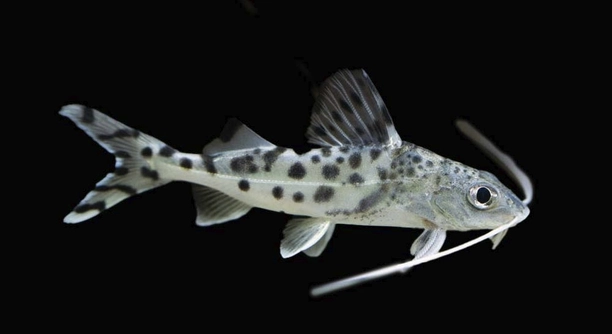
Keeping fish healthy and calm in crowded tanks can be challenging. Aggression often rises when space is limited, making the environment stressful for aquatic life. Finding ways to reduce tension helps create a more balanced tank.
Reducing aggression in crowded tanks involves managing space, providing hiding spots, maintaining proper water quality, and controlling feeding routines. These methods collectively lower stress and promote peaceful interactions among fish, leading to a healthier aquatic community.
Learning these techniques will help you maintain a more peaceful tank environment. Improving conditions benefits both fish and hobbyists alike.
Provide Enough Space for Each Fish
Fish need personal space to feel safe and secure. When tanks are crowded, fish can become territorial and aggressive. Giving each fish enough room reduces stress and fights. Consider the adult size of your fish when planning tank stocking. Overstocking often leads to more aggression because fish compete for limited swimming and hiding space. Regularly check tank capacity and upgrade if needed. Adding extra decorations and plants can also create natural boundaries that help fish avoid conflicts. The more room they have to spread out, the calmer they will be. Maintaining space also ensures good water quality since overcrowding can quickly degrade the environment. Fish health improves with less stress, so providing enough space is one of the most important steps in reducing aggression in crowded tanks.
Keeping fish spaced out prevents unnecessary fights and creates a calmer tank atmosphere.
Adding plants or decorations can also help fish feel less exposed and reduce tension.
Use Hiding Spots and Visual Barriers
Hiding spots and visual barriers are essential in crowded tanks. They allow fish to retreat when feeling threatened or stressed, which lowers aggression. Rocks, caves, and plants serve as excellent hiding places. Visual barriers break the line of sight between territorial fish, helping reduce confrontations. Not every fish needs a hide, but providing enough options allows individuals to escape or avoid each other when needed. This creates a more peaceful environment for all tank inhabitants. It is important to arrange these spots strategically throughout the tank so no area feels too open or exposed. Using natural-looking decorations also helps maintain a healthy and attractive habitat. When fish have places to hide, they feel more secure and less likely to act aggressively toward tank mates. This simple addition can greatly improve harmony in crowded tanks.
Maintain Proper Water Quality
Clean water is essential to reduce aggression. Poor water conditions increase stress, which makes fish more likely to fight. Regular water changes and monitoring water parameters keep fish healthy and calm.
Proper filtration and routine testing help maintain the right balance of ammonia, nitrites, and nitrates. Overcrowded tanks produce more waste, so cleaning must be more frequent to prevent toxins from building up. Using a good filter system and performing weekly water changes of 20-30% can keep water quality high. When water is clear and stable, fish feel less stressed and territorial behavior decreases.
Also, maintaining stable temperature and pH levels prevents sudden changes that can upset fish. Consistency in water conditions creates a safe environment, reducing aggression. Neglecting water quality often causes health problems that lead to fighting.
Control Feeding Practices
Overfeeding can cause competition and aggression among fish. Feeding smaller amounts more often prevents food fights. Avoid leaving uneaten food that pollutes the tank.
Feeding on a schedule helps fish know when to expect food, reducing anxious behavior. Use sinking pellets or spread food across different tank areas to ensure all fish get enough. Uneven feeding encourages dominant fish to chase away others. Offering a balanced diet suited to your fish species supports their health and reduces irritability.
Remove leftover food promptly to avoid water quality issues. Clean water reduces stress, helping lower aggression. Paying attention to how and when you feed improves overall tank harmony and fish wellbeing.
Choose Compatible Species
Selecting fish that get along well reduces aggression in crowded tanks. Some species naturally tolerate each other better. Avoid mixing aggressive fish with timid ones.
Research fish behavior before adding new species. Compatibility helps create a peaceful community and lowers the chance of fights.
Use Distractions and Enrichment
Adding toys, plants, and decorations keeps fish busy and distracted. Enrichment reduces boredom, which can cause aggressive behavior. Providing variety in the tank encourages natural exploration and play.
Monitor and Separate Aggressive Fish
Watch for signs of constant bullying or injury. Removing aggressive fish early protects others. Sometimes quarantining or relocating the troublemaker is necessary to maintain peace.
Avoid Sudden Changes
Fish react negatively to sudden changes in the tank environment. Keeping conditions stable helps prevent stress-induced aggression.
FAQ
Why do fish become aggressive in crowded tanks?
Fish often become aggressive in crowded tanks due to limited space and competition for resources like food and hiding spots. Overcrowding increases stress levels, which can trigger territorial behavior and fights. Fish naturally need room to swim and claim areas, so when space is tight, conflicts are more likely.
How can I tell if aggression is normal or a problem?
Some chasing or mild disputes are normal as fish establish territories. However, if fighting causes injuries, constant harassment, or prevents fish from eating, it is a problem. Watch for torn fins, bruises, or stressed behavior like hiding or gasping for air. Persistent aggression needs intervention to protect fish health.
What is the best way to reduce aggression quickly?
The fastest way to reduce aggression is to add more hiding spots and visual barriers. This helps fish avoid each other and feel secure. Performing a partial water change can also reduce stress. If fights continue, separating aggressive fish temporarily may be necessary.
Can adding more fish reduce aggression?
Adding more fish sometimes spreads aggression by diluting attention, especially with schooling species. However, adding too many fish can worsen crowding and stress. It’s important to balance tank size and species compatibility. More fish is not always the solution for aggression.
How often should I clean my tank to help reduce aggression?
Cleaning frequency depends on tank size and fish load. In crowded tanks, weekly water changes of 20-30% are recommended to keep water quality high. Regularly vacuum the substrate and clean filters to remove waste. Clean water lowers stress and reduces aggressive behavior.
Are certain species more aggressive than others?
Yes, some species are naturally more territorial or aggressive, like cichlids and some barbs. Other species, such as tetras or danios, tend to be peaceful. Choosing fish known for calm behavior helps create a peaceful tank. Avoid mixing aggressive and timid species when possible.
Can diet affect fish aggression?
A balanced diet supports overall health and can reduce aggression. Overfeeding or underfeeding can cause stress and competition. Feeding smaller, frequent meals and offering a variety of foods tailored to your fish species helps keep them calm and healthy.
What role does tank size play in aggression?
Tank size is critical. Larger tanks provide more space for fish to establish territories without constant conflict. Small tanks with many fish increase competition and stress. Always stock your tank based on the adult size of your fish and their behavior.
Is it helpful to rearrange tank decorations to reduce aggression?
Yes, rearranging decorations and plants breaks up established territories and reduces territorial disputes. Changing the layout can confuse aggressive fish and give others a chance to claim new spaces. Regular changes also provide enrichment and stimulation.
When should I consider removing a fish due to aggression?
If a fish consistently harms others, causes stress, or does not fit well with the community despite changes, removal might be necessary. Prioritize the health and wellbeing of the whole tank. Moving aggressive fish to another tank or rehoming can restore peace.
Keeping aggression low in crowded tanks takes attention and care. Fish naturally need space, good water quality, and proper feeding to feel comfortable. When these basic needs are met, fish are less likely to act aggressively toward each other. It is important to plan your tank setup carefully, considering how many fish you can keep without overcrowding. Providing plenty of hiding spots and visual barriers gives fish places to retreat, which reduces stress and fighting. By managing these factors, you help create a peaceful and healthy environment for all your aquatic pets.
Regular maintenance also plays a big role in controlling aggression. Clean water is vital since poor water quality stresses fish and can make them more aggressive. Doing water changes regularly and checking water parameters keeps the tank stable and safe. Feeding your fish the right amount and type of food on a consistent schedule avoids competition over meals. When fish know when to expect food, they are less anxious and less likely to fight. Paying attention to their needs every day will help prevent problems before they start.
Sometimes, aggression still happens despite best efforts. In those cases, observing fish behavior carefully is key. Identifying which fish are causing problems allows you to act quickly, whether that means rearranging the tank, adding more hiding places, or separating aggressive individuals. Choosing compatible species from the start also lowers the risk of conflict. Keeping these tips in mind can make crowded tanks a more enjoyable and less stressful place for fish and owners alike. With patience and proper care, you can reduce aggression and support a thriving, balanced aquarium.

Hello,
If you enjoy the content that we create, please consider saying a "Thank You!" by leaving a tip.
Every little bit helps us continue crafting quality advice that supports the health, happiness, and well-being of pets around the world, for pets of all shapes, sizes, and species.
We really appreciate the kindness and support that you show us!