
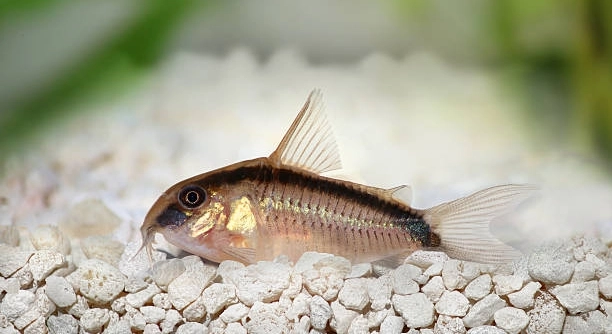
Are your Corydoras catfish constantly chasing each other, leaving you worried about their well-being and group harmony in the tank?
Aggression in Corydoras catfish is often caused by stress, overcrowding, or unsuitable tank conditions. Providing ample space, proper hiding spots, and a consistent environment helps reduce aggression and promotes a healthier, more peaceful group dynamic.
Understanding these behaviors can lead to a calmer tank and happier fish. Let’s explore the simple changes that can make a real difference in your Corydoras group.
Provide Enough Hiding Spots
Corydoras catfish feel more secure when they have places to hide. When a tank lacks shelter, fish may become stressed and act out aggressively toward one another. Adding hiding spots helps them establish safe zones and feel more relaxed. Use caves, plants, or decorations that allow fish to move freely while still providing cover. Try to space out the hiding areas so the entire tank feels safe and accessible. A good rule is to have at least one hiding place per fish, especially in a group of six or more. This reduces competition and helps each fish find its own space. Avoid overcrowding the decorations, though—open swimming areas are also important. A balanced setup that includes both shelter and space to swim will help keep the fish calm and less likely to show territorial behavior.
Even peaceful fish need their own space. Shelters help relieve tension and prevent aggressive chasing within the group.
Choose decorations that match the size of your Corydoras. Sharp-edged rocks or narrow gaps can trap them or cause injuries. Soft artificial plants or smooth resin caves are safer options. Arrange plants and shelters along the sides and back of the tank, leaving the front clear for viewing and swimming. Natural driftwood works well and adds a pleasing look to the aquarium. Providing hiding spots doesn’t mean overcrowding the tank—it’s about creating safe zones that support your fish’s natural behavior. You’ll likely notice calmer interactions and fewer signs of aggression as each fish finds its own place to rest or retreat. Be patient as they explore the new layout and adjust to the changes. Simple additions like these can have a big impact on their overall behavior and group dynamics.
Keep the Group Size Balanced
Corydoras are social fish, but the group must be sized properly. A group that’s too small or too large can trigger stress or competition.
A group of at least six Corydoras helps reduce stress and encourages more natural schooling behavior. When kept in smaller numbers, they may become timid or lash out due to anxiety. On the other hand, overcrowding can lead to competition for food and space. Stick to what your tank size can support. If your tank is small, it’s better to have six healthy Corydoras than ten crammed into a tight space. They’re peaceful by nature, but they still need room to swim, hide, and rest. Monitoring the group’s behavior can help you gauge if your numbers are working. Signs like constant chasing, hiding, or refusal to eat could signal an imbalance. Adjust slowly if needed. Add or remove fish with care and always make sure your filtration and maintenance schedule can handle the bio-load.
Maintain Stable Water Parameters
Fluctuating water conditions often cause stress in Corydoras, which can lead to aggression. Stable water quality helps them stay calm and behave more naturally in a group. Avoid sudden temperature changes and check your levels regularly.
Keep the temperature between 72–78°F, and aim for a pH around 6.5–7.5. Use a reliable heater and thermometer to prevent temperature swings. Perform partial water changes weekly, replacing 20–30% of the tank water. Test for ammonia, nitrite, and nitrate at least once a week. High ammonia or nitrite levels can irritate the fish and make them more aggressive. Use a gentle filtration system that doesn’t create strong currents, as Corydoras prefer calm areas. Avoid overfeeding since leftover food can quickly affect water quality. Consistency matters most—small daily checks help you catch issues before they grow into bigger problems that impact your fish’s behavior or health.
If your Corydoras show signs of aggression, check the water first. Even a small drop in quality can cause a big change in their behavior. Look for signs like rapid breathing, hiding, or constant swimming along the glass. These usually point to something wrong in the water. Sometimes, aggression is less about the group itself and more about the environment. A test kit and regular water changes can prevent most problems before they start. Your fish depend on you to notice changes quickly and take action. Once you get into a rhythm of weekly testing and maintenance, your tank will feel more stable—and your Corydoras will act more peacefully overall.
Feed a Balanced and Consistent Diet
Poor feeding habits can increase stress in Corydoras. Make sure your group is getting a diet rich in nutrients and suited to their feeding habits on the bottom of the tank.
Use sinking pellets designed for bottom feeders as the base of their diet. Supplement with frozen or live foods like bloodworms and daphnia a few times a week for variety and protein. Feed small portions twice a day rather than a single large meal. Uneaten food not only pollutes the tank but can also cause competition among the fish. Observe how the group eats—some fish may hog food while others go without. If this happens, spread the food in different areas so each fish gets a fair share. A consistent feeding routine helps the fish feel secure, and balanced nutrition supports their overall health and temperament. Happy, well-fed fish are less likely to act out or show aggression.
Reduce Loud Noises and Sudden Vibrations
Corydoras are sensitive to noise and movement. Loud sounds, slamming doors, or tapping on the glass can cause them to panic or become aggressive. Keep their tank in a calm, quiet space away from high-traffic areas.
Sudden vibrations or banging near the tank may scare them into defensive behavior. Try to place the aquarium on a sturdy stand and avoid setting objects that cause shaking nearby. A peaceful environment helps them feel safe and reduces the chance of stress-related aggression.
Avoid Mixing with Incompatible Tankmates
Corydoras do best with peaceful species that respect their space and share similar environmental needs. Avoid pairing them with large, aggressive fish that may chase or intimidate them. Fin nippers like barbs or overly dominant species can disrupt the group’s balance. Stress from being harassed often causes Corydoras to act out toward each other. If they have to compete for food or hide constantly, they can become more skittish and defensive. Good tankmates include peaceful tetras, rasboras, and other non-aggressive bottom dwellers. Always research compatibility before adding new fish to the tank, and watch closely during introductions to catch any signs of stress or aggression early.
Allow Time to Adjust After Changes
Corydoras need time to settle after changes like new tankmates, layout shifts, or moving tanks. Sudden changes can trigger defensive behavior or tension in the group. Give them a few days to adjust and observe quietly.
FAQ
How many Corydoras should be kept together?
A minimum of six Corydoras should be kept in a group. They are social fish that thrive in numbers. Keeping them in small groups can cause stress, leading to skittish or aggressive behavior. A larger group helps them feel safer and reduces competition for food and space. When kept in groups of six or more, they are more likely to exhibit their natural schooling behavior. Ensure your tank size can accommodate this number while allowing them enough space to swim freely.
What size tank do Corydoras need?
Corydoras need a tank that is at least 20 gallons to thrive. A tank of this size provides enough space for a group to swim around and explore without feeling cramped. Smaller tanks can lead to overcrowding, which increases stress and aggression. Larger tanks offer more opportunities for hiding spots and territorial space, which can reduce conflict. Keep in mind that water quality maintenance is also easier to manage in a bigger tank, ensuring a healthier environment for your fish.
Can Corydoras live with other fish?
Yes, Corydoras are peaceful and get along well with other non-aggressive species. They are often kept with small peaceful fish like tetras, rasboras, or guppies. Avoid mixing them with large, predatory, or fin-nipping fish, as this can stress them out. Corydoras are bottom dwellers and usually stick to the tank’s substrate, so it’s important to choose tankmates that don’t compete for the same space. Always monitor your fish when introducing new tankmates to ensure they interact calmly.
Why are my Corydoras chasing each other?
Chasing in Corydoras may be a sign of territorial behavior, stress, or mating attempts. If the tank is too small or has too few hiding spots, the fish may compete for space. In a group, it’s natural for some chasing to occur, but persistent chasing or biting could be an indication of overcrowding or improper conditions. Ensure that your tank has enough hiding spots and is appropriately stocked for the number of fish you have. If aggression persists, check the water parameters and adjust accordingly.
Can Corydoras live with shrimp?
Corydoras and shrimp can generally coexist peacefully. Corydoras are not aggressive toward shrimp, and they tend to stay at the bottom of the tank while shrimp will occupy the substrate or other areas. However, avoid keeping them with smaller shrimp species like cherry shrimp, as they might become prey. Larger shrimp species, such as Amano shrimp, are typically safe companions. It’s important to ensure there are plenty of hiding spaces for the shrimp to retreat if needed. The two species typically won’t interfere with each other’s activities.
How often should I feed my Corydoras?
Feed Corydoras twice a day, offering small portions that they can consume in a few minutes. Overfeeding can pollute the water and lead to aggression within the group, as fish compete for food. Use sinking pellets or tablets designed for bottom feeders, along with occasional treats like frozen or live foods. Remove any uneaten food after 15 minutes to prevent it from decaying in the tank. This feeding schedule supports healthy growth, reduces territorial disputes, and keeps your tank clean. It also helps maintain water quality.
Do Corydoras need a filter?
Yes, Corydoras require a filter to maintain clean water and provide consistent water circulation. However, be cautious with strong filters that create heavy currents, as Corydoras prefer calm water. Use a gentle filter or one with adjustable flow to avoid stressing the fish. A filter helps remove waste and excess food, which keeps the water quality high and reduces the risk of disease. Make sure to regularly clean the filter and replace its media as needed to maintain its efficiency.
Why are my Corydoras swimming at the surface?
If Corydoras are swimming at the surface frequently, it might indicate poor water quality, low oxygen levels, or high stress. Check your water parameters immediately, ensuring the oxygen level is adequate and the temperature is stable. In some cases, poor water circulation or overfeeding can lead to oxygen depletion. If the issue persists, perform a water change and adjust your tank’s filtration system. Corydoras prefer to stay near the bottom of the tank and are rarely seen at the surface unless something is wrong with their environment.
Can Corydoras be kept in a planted tank?
Yes, Corydoras can thrive in a planted tank. In fact, plants can provide them with additional hiding spots, shelter, and a more natural environment. They enjoy the cover that plants offer, which helps them feel secure. Just be sure to choose hardy plants that can withstand the activity of Corydoras as they often dig in the substrate. Some plants, like Java fern or Anubias, are ideal because they attach to rocks or driftwood, while others are rooted in the substrate. Regular maintenance of the plants and substrate is essential to prevent debris buildup and maintain water quality.
What temperature should I keep my Corydoras tank at?
Corydoras prefer water temperatures between 72°F and 78°F. This range mimics their natural habitat and promotes healthy behavior and growth. Temperatures that are too low or high can stress the fish, leading to health issues or aggression. Use a reliable heater and thermometer to maintain a stable temperature. It’s important to avoid sudden temperature changes, as Corydoras are sensitive to fluctuations. Regularly check your tank’s temperature to ensure it stays within the optimal range for the health and well-being of your fish.
Why are my Corydoras acting lethargic?
Lethargy in Corydoras could be a sign of poor water conditions, disease, or stress. Check your water parameters for ammonia, nitrites, and nitrates, as high levels can cause fish to feel unwell and become inactive. Ensure the temperature is stable and the filtration system is working properly. If the water quality is fine, consider other factors such as tankmates, food, or sudden changes in the environment. If lethargy persists, observe for other symptoms such as bloating, discoloration, or abnormal behavior, as these could indicate illness requiring further action.
How can I tell if my Corydoras are stressed?
Stressed Corydoras may display behaviors such as hiding, rapid swimming, gasping at the surface, or excessive fin twitching. They may also stop eating or show signs of aggression. Stress can be caused by poor water conditions, overcrowding, or incompatible tankmates. Ensure your tank is properly set up, with enough hiding spots and space for the fish to swim. Regular water changes, consistent feeding schedules, and stable tank parameters are key to reducing stress and maintaining a peaceful environment.
Final Thoughts
Corydoras catfish are peaceful, social fish that thrive in a group environment. Keeping them in a calm and stable setting is key to their well-being. By maintaining good water quality, providing enough space, and choosing compatible tankmates, you can create an environment where your Corydoras can live without stress. Monitoring their behavior and adjusting their surroundings when needed will help ensure they stay healthy and happy. It’s important to understand their needs so you can prevent common issues like aggression, which can be a sign of poor living conditions.
Proper tank care is essential for keeping Corydoras healthy. Regular water changes, a gentle filter, and a proper tank size are the foundation for a thriving aquarium. The substrate should be soft enough for them to dig through, as they often look for food at the bottom. Feeding them a varied diet, including sinking pellets and occasional treats, will support their health and growth. It’s also important to avoid overfeeding, as uneaten food can degrade water quality and lead to health problems. Keeping the tank clean and stable is a simple but effective way to reduce aggression and stress among your Corydoras.
While Corydoras are generally peaceful, it’s important to observe them regularly. Their behavior can tell you a lot about their environment and health. If you notice any signs of aggression or stress, take action by addressing water conditions or tank setup issues. Providing a peaceful environment, proper care, and good tankmates will allow your Corydoras to flourish. By understanding their natural behaviors and preferences, you can ensure they remain content and enjoy a long life in your aquarium.

Hello,
If you enjoy the content that we create, please consider saying a "Thank You!" by leaving a tip.
Every little bit helps us continue crafting quality advice that supports the health, happiness, and well-being of pets around the world, for pets of all shapes, sizes, and species.
We really appreciate the kindness and support that you show us!