
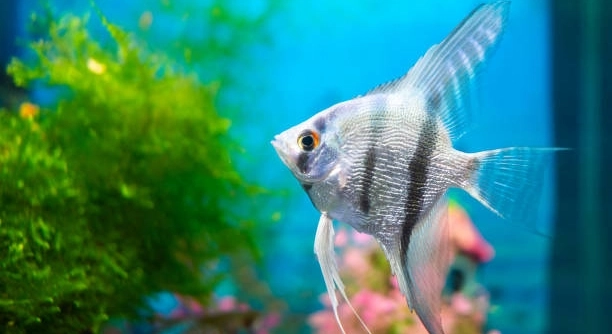
Aggression in community tanks can be a common issue when keeping angelfish. Their territorial nature may lead to stress among other tank mates. Understanding how to manage this behavior is key to maintaining a peaceful aquarium environment.
Reducing aggression in a community tank with angelfish involves strategies like providing ample hiding spots, keeping a balanced male-to-female ratio, maintaining a proper tank size, and introducing peaceful tankmates. Consistent water quality and stress reduction techniques also play vital roles.
By making simple adjustments, your angelfish can live harmoniously with other species. Learning these methods will create a calmer, more enjoyable environment for both your fish and you.
Provide Plenty of Hiding Spots
Angelfish are naturally territorial and can become aggressive when they feel their space is threatened. One of the most effective ways to reduce aggression is by adding hiding spots within the tank. Plants, rocks, and other decorations can give your angelfish a sense of security, helping to prevent fights. When fish have a place to retreat, they’re less likely to engage in aggressive behavior. Make sure the hiding spots are strategically placed so every fish can find shelter when needed.
Adding plants and structures will give your angelfish and other tank mates room to breathe. Even if your tank is spacious, territorial fish will feel more comfortable knowing they can hide. A few well-placed decorations can go a long way in reducing conflict.
Consider adding floating plants or decorations near the surface. These not only give angelfish more hiding places but also help diffuse aggression by breaking up the line of sight.
Maintain a Balanced Male-to-Female Ratio
A balanced male-to-female ratio is essential in a community tank with angelfish. Males can become aggressive towards each other, especially during mating periods. Keeping more females than males can reduce the chances of rivalry. This setup allows the males to focus their attention on females, lowering aggression levels among males and preventing dominance disputes.
A good ratio is around two females for every male angelfish. This setup helps maintain harmony in the tank and prevents one male from becoming too dominant. When you have multiple females, males won’t feel the need to compete as much, reducing unnecessary aggression.
Proper Tank Size
A properly sized tank is crucial for reducing aggression. Angelfish need plenty of space to swim and establish territories. A tank that is too small can make them feel cramped, increasing their stress levels and triggering aggressive behavior. A minimum of 30 gallons is recommended for a pair of angelfish, with extra space for additional tank mates.
When there isn’t enough room, angelfish may begin to fight over limited territory. It’s important to provide a spacious environment where each fish can carve out its own personal space. A larger tank also helps maintain water quality, which reduces stress and improves overall fish health.
The more space available, the easier it is for angelfish to avoid each other and other fish when they feel threatened. A larger tank encourages calm and balanced behavior, allowing all species to coexist without constant stress. Remember, space is essential for promoting peace within the tank.
Carefully Choose Tankmates
Choosing the right tankmates is another key factor in reducing aggression. Some fish are naturally more peaceful and will not provoke angelfish, while others can trigger territorial behavior. Small, calm fish like tetras or mollies tend to be compatible with angelfish. Avoid aggressive species or fish that are similar in size to angelfish, as this can lead to competition.
The more peaceful the tankmates, the less likely your angelfish will feel the need to defend themselves. It’s important to avoid species that might outcompete angelfish for food or space. Additionally, fish with similar colors or body shapes may be seen as rivals by angelfish, leading to unnecessary aggression.
Make sure the tankmates are large enough to avoid being seen as prey by angelfish. Fish that are too small may be harassed, leading to stress or injury. Always research fish compatibility before introducing them to your tank. Proper tankmate selection plays a big role in maintaining harmony.
Maintain Good Water Quality
Keeping the water quality stable is essential for reducing aggression. Poor water conditions can stress angelfish, making them more likely to act aggressively. Regular water changes and proper filtration help maintain a healthy environment. Test the water frequently to ensure levels of ammonia, nitrites, and nitrates are within safe ranges.
Water changes should be done regularly to keep the tank clean and remove waste that could build up. Stressed fish are more prone to aggression, so maintaining high water quality helps avoid behavioral issues. Clear, clean water promotes overall well-being and keeps the fish calmer.
Use a good filter and monitor your water parameters. A stable environment reduces stress, making your angelfish less territorial and more relaxed. Clean water plays a huge role in reducing aggression.
Avoid Overcrowding the Tank
Overcrowding a tank can lead to aggression and competition for space and resources. When angelfish feel crowded, they may become stressed and territorial, which triggers aggressive behaviors. It’s important to know the tank’s capacity and avoid adding too many fish.
Space matters just as much as water quality in maintaining peace. Overcrowded tanks can make it difficult for fish to find their personal space. The more fish in the tank, the more likely aggression will occur. Avoid overcrowding by ensuring there’s enough room for all your fish to swim comfortably.
Use Tank Dividers
Tank dividers can be a useful tool to separate aggressive fish. If you have a particularly aggressive angelfish, using dividers can prevent it from constantly fighting with others. Dividers give fish their own space while still allowing them to be part of the community tank.
Dividers are especially helpful in tanks where space is limited, and aggression can escalate quickly. They can be used temporarily to separate angelfish until their behavior improves. You can also use dividers during the breeding season, as some angelfish become territorial when protecting their eggs.
FAQ
What causes aggression in angelfish?
Aggression in angelfish can stem from a variety of factors, including territorial behavior, stress from overcrowding, or competition for food. Angelfish are naturally territorial, especially during breeding periods. If they feel their space is being invaded, they may become aggressive. Additionally, poor water quality or high stress levels can increase aggressive tendencies.
How can I tell if my angelfish is aggressive?
You may notice signs such as chasing other fish, flaring their fins, or nipping at tankmates. If an angelfish starts displaying these behaviors frequently, it’s a sign of aggression. Fish that are constantly hiding or appear stressed might also be victims of aggression from a dominant angelfish.
Can angelfish live with other species?
Yes, angelfish can live with other species, but they require careful selection of tankmates. Peaceful fish such as tetras, mollies, and Corydoras are ideal companions. Avoid species that are similarly sized or aggressive, as this can trigger territorial disputes.
What are the best tankmates for angelfish?
Some of the best tankmates for angelfish include peaceful species like neon tetras, guppies, and plecos. These fish tend to stay out of the angelfish’s way and do not compete aggressively for space or food. Avoid small fish that might become prey, as well as other large or territorial fish.
How do I stop my angelfish from fighting?
To stop angelfish from fighting, ensure they have enough space and hiding spots. It’s also essential to maintain a balanced male-to-female ratio, as males can become aggressive towards each other. Adding plants and decorations that provide shelter can help diffuse tension. Keep the water quality high to reduce stress.
Can I breed angelfish in a community tank?
Breeding angelfish in a community tank can be tricky. Angelfish can become very territorial during breeding. It’s best to separate the breeding pair from the rest of the tank to prevent aggression. Additionally, make sure the other fish won’t disturb the angelfish eggs.
Is it okay to have only one angelfish in a tank?
Having a single angelfish in a tank is fine, especially if it’s a smaller tank. However, it’s important to keep in mind that angelfish are social and might benefit from the company of others. If you plan to keep a pair or more, make sure the tank is large enough.
How can I make my angelfish feel less stressed?
To reduce stress in angelfish, ensure the tank has plenty of hiding spots, maintain stable water conditions, and avoid overcrowding. Feed them a balanced diet and minimize sudden changes in the tank environment. Keeping the water temperature consistent and avoiding noisy disturbances can also help.
Can I use medication to reduce aggression in angelfish?
While there are medications available for treating certain fish diseases, they do not specifically target aggression. The best way to reduce aggression is by addressing environmental factors such as overcrowding, stress, and poor water quality. Medication may be helpful for treating any underlying health issues that could be contributing to aggressive behavior.
How can I reduce aggression during breeding?
Breeding angelfish can lead to territorial aggression, especially if there’s competition for space. To manage this, separate the breeding pair from other fish by using a tank divider or placing the pair in a separate tank. Ensure the pair has plenty of space and resources to reduce stress during breeding.
What is the ideal water temperature for angelfish?
Angelfish thrive in water temperatures between 76°F and 84°F (24°C to 29°C). Water that is too cold can cause stress and increase the likelihood of aggression. Conversely, water that’s too hot can also lead to problems such as oxygen depletion and higher aggression levels.
Should I remove an aggressive angelfish?
If you have an angelfish that is consistently aggressive, it might be necessary to remove it from the tank. If aggression is causing significant stress or injury to other fish, separating the aggressive fish can help restore balance in the tank. In some cases, rehoming or placing the aggressive fish in a species-specific tank may be the best solution.
How do I handle an angelfish that’s picking on other fish?
If your angelfish is picking on other fish, try adding more hiding spots to the tank to give the bullied fish a place to retreat. If the aggression persists, consider rearranging the tank or adding more fish to dilute territorial behavior. Keeping the water quality stable will also help reduce stress.
What should I feed my angelfish to keep them calm?
A varied diet is essential for angelfish to stay healthy and less stressed. Offer a mix of high-quality flakes, pellets, frozen food, and occasional live foods like brine shrimp or bloodworms. Proper nutrition will help maintain their overall health and reduce the likelihood of stress-induced aggression.
How often should I clean my tank to reduce aggression?
Regular tank maintenance is important to reduce aggression. Perform partial water changes weekly to keep the water clean and free of waste. Clean the filter monthly and remove any uneaten food to avoid water quality issues. A clean environment helps prevent stress and aggression in your angelfish.
Can I use plants to help reduce aggression in my angelfish tank?
Yes, plants can help reduce aggression by providing hiding spots and breaking up the line of sight between fish. Angelfish may feel less threatened when they have plants to swim around or hide in. Adding both live and artificial plants to the tank can create a more peaceful environment for your fish.
Final Thoughts
Managing aggression in a community tank with angelfish requires attention to several factors. First and foremost, it’s essential to create a stable environment that supports the well-being of all the fish. This includes maintaining good water quality, preventing overcrowding, and providing enough space and hiding spots. When these elements are in place, angelfish are less likely to exhibit aggressive behavior. By monitoring their behavior and adjusting the tank environment as needed, you can reduce the likelihood of conflicts and create a peaceful tank.
In addition to environmental factors, it’s important to consider the social dynamics of the tank. Choosing compatible tankmates is crucial. Peaceful fish that do not compete for space or food are the best choices. Keep in mind that angelfish can be territorial, especially during breeding, so ensure the other fish in the tank can coexist without constant conflict. If aggression becomes an issue, try separating the aggressive fish temporarily, adding tank dividers, or rehoming the fish to reduce stress. Properly balancing your tank’s population will also go a long way in reducing aggression.
Finally, don’t forget the importance of monitoring the overall health of the tank. Healthy fish are less likely to be aggressive, so provide a balanced diet, clean water, and a stress-free environment. If aggression persists despite making these adjustments, it may be helpful to consult with an expert to further assess the situation. With the right approach and consistent care, you can successfully manage aggression in your community tank and create a peaceful, thriving environment for your angelfish and other tankmates.

Hello,
If you enjoy the content that we create, please consider saying a "Thank You!" by leaving a tip.
Every little bit helps us continue crafting quality advice that supports the health, happiness, and well-being of pets around the world, for pets of all shapes, sizes, and species.
We really appreciate the kindness and support that you show us!