
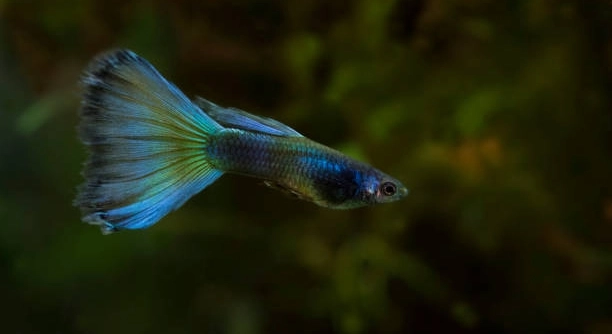
Guppies are popular freshwater fish known for their vibrant colors and playful behavior. However, like all pets, they can fall ill. Recognizing disease early can be the key to helping them recover quickly.
Recognizing guppy disease early involves noticing changes in behavior, appearance, or eating habits. Look for signs like faded colors, lethargy, abnormal swimming, or loss of appetite, as these could indicate illness that requires prompt attention.
Understanding these early signs will make it easier to care for your guppy, keeping them healthy and happy in your aquarium. This article will guide you on how to spot illness in time.
Signs of a Sick Guppy
When a guppy starts to show signs of illness, it’s often due to factors like poor water quality, stress, or an infection. Guppies are sensitive to changes in their environment, so noticing even small shifts can help in early detection. Common symptoms to watch out for include faded or discolored scales, abnormal swimming patterns, or changes in their eating habits. Sick guppies might also stay near the bottom of the tank, avoiding interaction with other fish. Pay attention to these signs early, as they are crucial for preventing more serious health issues.
Changes in behavior and appearance can be the first red flags for illness. Loss of appetite is another sign that something isn’t right. Often, when they’re unwell, guppies become lethargic and may spend more time resting at the bottom of the tank. These signs, though subtle, are key to spotting health problems early.
Keeping the water clean and monitoring your guppy’s routine behavior can help maintain their health. A drop in energy or noticeable shifts in their movements should be addressed right away. If these signs are ignored, a simple illness can escalate into something more serious, so it’s important to be proactive.
Common Diseases in Guppies
Many guppies face the same health challenges due to similar living conditions. Some of the most common diseases include fin rot, velvet disease, and swim bladder disease. It’s essential to recognize these illnesses early on.
Fin rot is often caused by bacteria in dirty water or from injuries. The symptoms include frayed fins and a pale appearance. Velvet disease, caused by protozoans, gives the fish a golden, dusty appearance, often with lethargy. Swim bladder disease affects their ability to float and swim properly, making them either sink or float uncontrollably.
To prevent diseases, maintain clean water and ensure your guppy’s tank is properly heated. Regular water changes and keeping the environment stress-free can go a long way in protecting their health. When disease strikes, swift action is necessary. Quarantining the sick guppy is crucial to stop the spread to others. If needed, consult a vet for treatment.
Observing Physical Changes
When a guppy falls ill, its physical appearance can change noticeably. You might notice its colors fading, or the scales could appear swollen or ragged. In some cases, the guppy may develop visible sores, lesions, or unusual spots. These changes can signal an infection or other health issues.
Keep an eye on your guppy’s body. If you see any sores or swelling, it’s time to check the water conditions and the behavior of other fish in the tank. Often, these physical signs are early indicators that the environment isn’t suitable. Maintaining proper water quality can prevent some of these issues.
Sometimes, parasites or bacteria can cause these changes. If a guppy is visibly sick with sores, discoloration, or swollen areas, the issue might be related to external infections. Addressing water quality and separating sick fish can help prevent the spread of disease.
The Importance of Water Quality
Water quality is vital to a guppy’s health. Poor water conditions are one of the leading causes of disease in freshwater fish. Without proper filtration, the water can become contaminated with harmful substances, leading to stress and illness.
Check water parameters like pH, ammonia, nitrate, and nitrite levels regularly to ensure your guppy is living in a safe environment. You should also perform routine water changes to maintain clean water. Guppies thrive in slightly alkaline water, with temperatures around 72-82°F. If the water quality is compromised, your guppy’s immune system weakens, making it easier for diseases to develop.
Keeping the tank clean isn’t just about appearance—it directly impacts the health of your fish. When the water isn’t properly filtered, toxins build up quickly, and your guppy becomes more susceptible to infections. Regular maintenance, including testing and adjusting water parameters, is essential for a healthy, thriving aquarium.
Stress and Overcrowding
Stress is a common issue that can weaken a guppy’s immune system. Overcrowding is one of the primary stress factors. When there are too many fish in the tank, it can lead to poor water quality and increased competition for food.
Guppies need enough space to swim freely. If the tank is overcrowded, the fish can become stressed, leading to poor health. Stress also lowers their ability to fight off infections. Providing ample space, along with hiding spots, can help reduce stress levels and keep your guppy happier and healthier.
Reducing overcrowding and improving tank conditions can lead to happier, healthier guppies. Overcrowding isn’t just about space; it’s also about reducing competition for resources. When your guppy feels comfortable, it’s much less likely to develop stress-related illnesses.
Feeding Habits
Proper feeding is essential for guppy health. Overfeeding or feeding poor-quality food can lead to digestive problems and increase the likelihood of water pollution.
Stick to a regular feeding schedule and avoid giving too much food at once. Excess food can decay in the water, harming both the fish and the water quality. Healthy, varied foods like flakes, pellets, and live food keep your guppy in top shape.
Good feeding practices also support their immune system, ensuring your guppy stays strong enough to fight off diseases. Quality food plays a key role in their long-term health and well-being.
FAQ
How do I prevent guppy diseases?
Maintaining a clean and stable environment is the key to preventing disease. Regular water changes, proper filtration, and monitoring water parameters like pH, ammonia, and nitrite levels are essential. Overcrowding should be avoided, as this increases stress and disease risk. Additionally, feed your guppy high-quality food in appropriate amounts and ensure your tank isn’t too warm or too cold. A stable, clean tank is one of the best ways to keep your guppies healthy and disease-free.
Why is my guppy swimming strangely?
Strange swimming behavior can indicate a few different issues. If your guppy is swimming erratically or seems uncoordinated, it could have swim bladder disease, which affects their ability to float or swim properly. Lethargy, upside-down swimming, or difficulty maintaining buoyancy are other signs of this condition. Poor water quality or stress can also cause abnormal swimming behavior, so it’s important to check your water parameters and make sure your guppy is in a suitable environment. Sometimes, strange swimming behavior can also be caused by injury or infection.
What should I do if my guppy stops eating?
If your guppy stops eating, it’s often a sign that something is wrong. Stress, poor water quality, or illness are the most common reasons for a loss of appetite. Begin by checking the water conditions, including temperature and filtration. If these are fine, observe your guppy for other signs of illness like faded colors, unusual swimming, or sores. Sometimes, guppies stop eating when they are stressed, so try to make the environment more comfortable for them by reducing tank disturbances and improving their habitat. If the lack of appetite continues, it’s best to consult a vet.
How can I treat fin rot in my guppy?
Fin rot is often caused by poor water conditions, particularly when ammonia or nitrite levels are high. If you notice fraying or discoloration of your guppy’s fins, it’s important to immediately improve the water quality. Remove any uneaten food, clean the tank, and perform a water change. Additionally, isolate the sick guppy to prevent the spread of infection. You can treat fin rot with antibiotics available at pet stores or online. Be sure to follow the instructions on the treatment to ensure proper dosage and duration.
Can I keep multiple male guppies together?
Male guppies are territorial and can sometimes fight with one another, especially in smaller tanks. While it’s possible to keep multiple males together, it’s important to have enough space in the tank and plenty of hiding places. A tank with a higher volume and plants or decorations will give your males room to retreat from each other. To minimize stress and fighting, you might want to consider keeping a few females with the males, as this can reduce aggressive behavior by offering more focus on mating.
What are the signs of pregnancy in guppies?
Pregnant female guppies usually show visible signs like a larger abdomen, often with a dark gravid spot near their anal fin. As pregnancy progresses, you may notice the spot becoming darker and the belly more swollen. Female guppies carry their young for about 4-6 weeks before giving birth. Keep an eye on her behavior; she might become more reclusive or swim more slowly as her due date approaches. If you’re breeding guppies, consider preparing a separate tank for the fry once the mother gives birth to protect them from adult fish.
How do I treat velvet disease in my guppy?
Velvet disease, caused by a parasitic protozoan, results in a gold or rusty dust-like appearance on your guppy’s body. It’s usually accompanied by lethargy and loss of appetite. To treat velvet disease, you’ll need to raise the water temperature gradually to speed up the parasite’s life cycle and use a copper-based treatment, available at pet stores. It’s also helpful to increase water circulation and perform frequent water changes to help the fish recover. Remove any infected fish to prevent spreading the disease to others.
Why is my guppy’s color fading?
Color fading in guppies can be due to several factors. Stress, poor water quality, or inadequate lighting are common causes. When guppies are stressed, they often lose their vibrant colors as a response to the discomfort. Lack of proper nutrition or aging can also cause a color change. Ensure your guppy is receiving a balanced diet and that the water conditions are optimal. Sometimes, color fading is temporary and can improve once the stressor is removed or the tank conditions are corrected.
What is the best way to quarantine a sick guppy?
Quarantining a sick guppy is essential to prevent the spread of disease to other fish. Set up a separate tank with the same water conditions as the main tank to avoid additional stress on the sick fish. Make sure to monitor water quality closely and avoid overcrowding the quarantine tank. For treatment, use medications according to the condition your guppy is suffering from. Keep the quarantined fish in isolation until it shows signs of improvement and remains healthy for at least a week before returning it to the main tank.
How do I avoid overfeeding my guppy?
Overfeeding is one of the most common mistakes aquarium owners make. It can lead to poor water quality and obesity in guppies. The key is to feed them small amounts of food that they can consume within 2-3 minutes, removing any uneaten food afterward. A varied diet, including flakes, pellets, and occasional live food, will keep your guppy healthy. A good rule of thumb is to feed your guppy twice a day, adjusting the portions based on the size of the fish and the type of food.
Final Thoughts
Caring for guppies requires attention to detail, especially when it comes to recognizing signs of illness early. These small fish are sensitive to their environment, and any changes in water quality, temperature, or tank conditions can lead to stress or disease. Regular maintenance, such as water changes and checking the tank’s filtration system, is essential for keeping your guppies healthy. It’s also important to monitor their behavior closely, as early detection of illness often leads to a quicker recovery. Knowing the common signs of disease, such as changes in swimming patterns or fading colors, will help you act fast and provide the care your guppy needs.
In addition to maintaining water quality, feeding your guppy the right amount of nutritious food is crucial. Overfeeding can lead to poor water conditions and digestive issues, while underfeeding can result in malnutrition and a weakened immune system. Offering a variety of food types, such as flakes, pellets, and occasional live food, helps to ensure they are getting all the nutrients they need. Also, avoid overcrowding your tank, as too many fish in a small space can increase stress and lead to health problems. By keeping the tank environment clean and stress-free, you can significantly reduce the likelihood of your guppy becoming ill.
Lastly, staying proactive about the health of your guppies is key. Regularly check the water parameters, such as pH, ammonia, and nitrate levels, to ensure they are within the proper range. If you notice any signs of illness, isolate the sick fish and seek treatment immediately. With proper care and a little attention, guppies can live long and happy lives. The more informed you are about their health and environment, the better equipped you will be to prevent issues and provide a comfortable home for your fish. Keeping your guppies healthy is an ongoing process that requires vigilance, but it is also a rewarding experience that will lead to happy, colorful fish in your aquarium.

Hello,
If you enjoy the content that we create, please consider saying a "Thank You!" by leaving a tip.
Every little bit helps us continue crafting quality advice that supports the health, happiness, and well-being of pets around the world, for pets of all shapes, sizes, and species.
We really appreciate the kindness and support that you show us!