
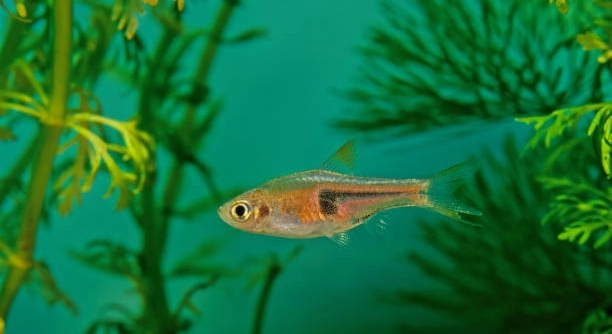
Rasboras are small, active fish often kept in groups for their social behavior. Observing how they interact can reveal important details about their health and environment. Understanding their group dynamics helps create a balanced aquarium setting.
Reading rasbora group dynamics involves noticing their movement patterns, social hierarchy, and stress signals. Key indicators include swimming formations, aggression levels, and hiding behavior. Careful observation allows owners to assess the well-being and compatibility of individual fish within the group.
Learning to interpret these signs will improve your ability to care for rasboras effectively. The following points will guide you in recognizing the subtle behaviors that shape their social life.
Observing Swimming Patterns
Rasboras often swim in groups, forming loose schools that help them feel safe. When their swimming is smooth and coordinated, it usually means they are comfortable in their environment. Watch for any fish that lag behind or swim erratically, as this can indicate stress or illness. Sometimes, dominant individuals may lead the group, while others follow or stay close together. Changes in swimming style, like darting suddenly or hiding, can show discomfort caused by water quality or tank mates. Regularly observing these patterns helps you notice early signs of problems and take action before issues worsen. Paying attention to how rasboras move together gives insight into their mood and social balance.
Swimming patterns provide clear clues about the group’s health and comfort levels. Consistent, calm movement is a positive sign of well-being.
By noting swimming behavior, you can detect stress or illness early. If some fish isolate themselves or swim irregularly, test the water quality and check tank conditions. Adjusting lighting, temperature, or tank decorations can improve their environment. Ensuring enough space for all fish to swim freely also supports natural movement. Observing swimming habits regularly builds your understanding of your rasboras’ needs, helping maintain a peaceful and healthy aquarium.
Recognizing Social Hierarchy
Rasboras develop a social order, which reduces conflicts within the group. Observing which fish take the lead or assert dominance shows their hierarchy. Dominant fish often swim at the front and may chase others away from preferred spots or food. Subordinate fish usually stay towards the back or hide more frequently. This behavior helps maintain peace and reduces stress. Understanding these roles allows better management of tank dynamics. Providing enough space and hiding places ensures all fish can find a comfortable spot and reduces tension.
Dominance and submission within the group shape how rasboras interact daily.
A stable hierarchy prevents constant fighting and helps rasboras coexist peacefully. In small or overcrowded tanks, competition increases, leading to stress and aggression. Providing plenty of plants or decorations creates natural barriers and retreat areas, supporting weaker fish. Watching how rasboras establish and maintain their social order helps identify when a fish might be bullied or excluded. Adjusting the tank setup or adding new fish gradually can balance the group. Respecting their social structure is key to keeping rasboras healthy and content over time.
Identifying Stress Signals
Rasboras show stress through changes in color, behavior, or appetite. Pale colors, hiding, or frantic swimming are common signs. Recognizing these early helps prevent serious health problems.
Stress in rasboras often comes from poor water quality, overcrowding, or aggressive tank mates. When stressed, they may stop eating and isolate themselves. Some fish develop faded or blotchy colors as a reaction to discomfort. Constant hiding or erratic swimming suggests fear or irritation. Addressing these signs quickly can improve their condition. Regular water tests and ensuring the tank environment matches their needs reduces stress risks. Observing these signals carefully gives you a chance to act before illness develops.
A balanced diet and gentle handling also lower stress in rasboras. Avoid sudden changes in water temperature or lighting. Keeping consistent feeding schedules and clean water helps maintain their well-being. Providing plants and shelters creates a calming environment. Over time, these efforts promote healthy behavior and reduce stress-related issues in your fish.
Monitoring Group Size and Composition
The size and makeup of your rasbora group impact their social behavior. Smaller groups may feel insecure, while very large groups risk overcrowding. Finding the right balance is essential.
A minimum of six rasboras is usually recommended to encourage natural schooling behavior and reduce stress. When groups are too small, fish may become timid or show aggression. On the other hand, overcrowded tanks lead to competition for food and space, increasing stress and illness risks. Consider tank size when adding more fish and avoid mixing species with very different temperaments. Keeping a group with compatible individuals supports stable dynamics and healthy interactions. Periodically reassess your tank’s population to maintain a balanced community.
Watching Feeding Behavior
Rasboras often show clear signs of group dynamics during feeding time. Observe how they compete or share food to understand their social balance.
Dominant fish may eat first, while others wait or get pushed aside. Ensuring everyone gets food is important to avoid stress or aggression.
Noticing Changes in Activity Levels
Changes in activity levels within the group can indicate shifts in health or environment. Sudden lethargy or hyperactivity often signals a problem that needs attention.
Regularly checking activity helps catch early signs of illness or stress, keeping the group balanced and healthy.
Understanding Territory Use
Rasboras may claim small areas for resting or hiding. Noticing these preferred spots helps you understand their comfort zones.
Providing enough space and shelters supports natural territorial behavior and reduces conflicts.
FAQ
How can I tell if my rasboras are stressed?
Signs of stress in rasboras include pale or faded colors, hiding more than usual, and erratic swimming. They may lose interest in food or swim frantically without purpose. Stress often results from poor water quality, overcrowding, or aggressive tank mates. Regularly checking water parameters and observing behavior helps catch stress early.
What is the ideal group size for rasboras?
A group of at least six rasboras is recommended to encourage natural schooling behavior. Smaller groups may feel insecure and show increased aggression or timidity. Overcrowding, however, can cause stress and competition for food and space. Always balance the group size with the tank’s capacity.
Why do some rasboras hide more than others?
Hiding is often a sign of lower social rank or stress. Subordinate fish stay hidden to avoid conflict with dominant individuals. It can also indicate discomfort due to water conditions or illness. Providing plenty of plants and hiding places helps shy fish feel safe.
What does it mean when rasboras swim erratically?
Erratic swimming is usually a sign of stress or poor water quality. It can also signal parasites or illness. When fish dart suddenly or bump into tank walls, testing water parameters and checking for signs of disease is necessary.
How important is tank decoration for rasbora social behavior?
Tank decoration plays a big role in creating natural territories and hiding spots. Plants, rocks, and driftwood reduce aggression by providing visual barriers. This helps maintain peace and lowers stress levels among the group.
Can rasboras be kept with other fish?
Yes, but it’s important to choose peaceful, similarly sized tank mates. Aggressive or much larger fish can stress or harm rasboras. Good companions include small tetras, peaceful bottom dwellers, and some dwarf cichlids. Avoid overcrowding to reduce stress.
What should I do if I see aggression in my rasbora group?
Mild chasing is normal as part of social hierarchy, but constant aggression signals a problem. Check if the tank is overcrowded or if dominant fish are bullying others. Adding more hiding places or increasing group size may reduce aggression. In extreme cases, removing aggressive individuals might be necessary.
How often should I observe my rasboras for group dynamics?
Daily observation is best to notice subtle changes early. Short, regular checks help catch stress signs, illness, or shifts in social behavior. Consistent monitoring allows timely adjustments to tank conditions, improving overall fish health.
Do rasboras have leaders in their groups?
Yes, some rasboras naturally take on a dominant role, leading the school and securing the best spots for food or shelter. This hierarchy keeps order but should not cause constant fighting. Watching these interactions helps understand group balance.
How can feeding time affect group dynamics?
Feeding can increase competition and highlight social roles. Dominant fish often eat first, while shy or weaker fish may get less food. Spreading food evenly and feeding small amounts multiple times a day helps ensure all fish get enough nutrition.
What are common signs of illness in rasboras related to group behavior?
Ill fish may isolate themselves, lose color, or stop swimming with the group. Lethargy and reduced appetite are also common. Early detection through behavior changes can prevent disease spread and improve treatment success.
Is water temperature important for rasbora social behavior?
Yes, stable water temperature keeps rasboras comfortable and active. Sudden changes can cause stress and disrupt group dynamics. Most rasboras thrive in temperatures between 22°C and 26°C (72°F–79°F).
How does tank size impact rasbora group dynamics?
Larger tanks give more space for swimming and territory, reducing stress and aggression. Small tanks can cause overcrowding, increasing conflicts and health issues. Choose a tank size that fits your group comfortably, allowing room for natural behaviors.
Final Thoughts
Understanding rasbora group dynamics is key to keeping these fish healthy and happy in an aquarium. Their behavior gives important clues about how they feel and interact with each other. By paying close attention to their swimming patterns, social hierarchy, and signs of stress, you can create a better environment for them. Knowing what is normal and what might indicate a problem helps you act quickly and improve their well-being. This understanding also makes caring for rasboras more rewarding because you can watch their natural behaviors unfold.
Maintaining good water quality and an appropriate tank setup supports healthy group dynamics. Rasboras thrive in clean water with stable temperatures and enough space to swim freely. Providing hiding places and plants helps reduce stress and allows shy fish to find comfort. It is also important to keep a balanced group size. Too few fish can cause insecurity, while too many lead to overcrowding and conflict. Feeding habits affect their social life as well, so offering food in a way that ensures everyone gets a share is necessary. Each of these factors influences how rasboras interact and stay healthy.
Being observant and responsive to changes in behavior makes a big difference. Watching how rasboras move, feed, and relate to one another helps you notice early signs of illness or stress. Adjusting conditions or tank mates when needed can prevent problems from getting worse. The more you learn about their group dynamics, the better you become at meeting their needs. This creates a calm and balanced aquarium where your rasboras can thrive for a long time. Overall, understanding and respecting their social behavior is essential to successful care.

Hello,
If you enjoy the content that we create, please consider saying a "Thank You!" by leaving a tip.
Every little bit helps us continue crafting quality advice that supports the health, happiness, and well-being of pets around the world, for pets of all shapes, sizes, and species.
We really appreciate the kindness and support that you show us!