
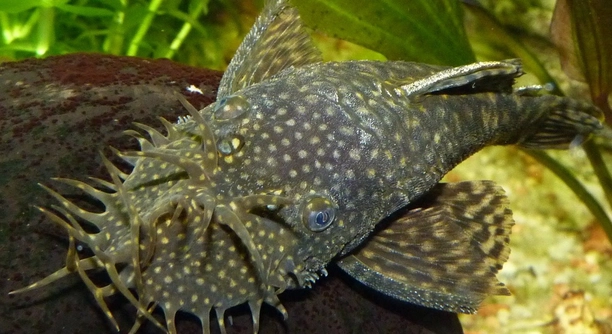
Are your new plecos looking a little stressed after bringing them home from the pet store or aquarium shop? Adjusting to a new tank can be tough for these bottom-dwelling fish if not done right.
The best way to quarantine a new plecostomus is to place it in a separate, fully cycled tank for at least two weeks. This helps prevent the spread of disease and allows close monitoring for any health concerns.
Setting up the right space and using careful observation can make a big difference in your pleco’s long-term health and tank compatibility.
Use a Separate Quarantine Tank
When you bring home a new plecostomus, the best thing you can do is keep it in a separate tank for at least two weeks. This tank should already be cycled with stable water parameters. A 10- to 20-gallon tank works well, depending on the pleco’s size. Include a simple hiding spot, like a small cave or driftwood, to help reduce stress. Use a sponge filter for gentle filtration and easy cleaning. Avoid adding any other fish during this time. Monitor your pleco for signs of illness like white spots, frayed fins, or odd swimming. Feed it small amounts of food and watch for healthy eating behavior. Test water frequently and perform small water changes if needed. This time alone helps your new fish adjust without stress from tankmates and allows you to spot any problems before they spread to the main aquarium.
A quarantine tank lowers risk and lets your pleco adjust slowly to its new environment without stress from other fish.
Make sure the quarantine tank stays calm and consistent. Keep lighting low and avoid moving things around too much. Try not to overfeed and clean up leftover food to keep the water clean. Less stress means a better chance at good health.
Maintain Good Water Quality
Good water quality is essential during quarantine. Clean, stable water helps your pleco stay healthy and reduces the chance of disease.
To keep water quality high, start with a cycled tank before introducing your pleco. Use a reliable test kit to check ammonia, nitrite, and nitrate levels every few days. Ammonia and nitrite should be at zero, and nitrates should stay under 20 ppm. If numbers go up, do a small water change of 20–30%. Feed small amounts once a day and remove uneaten food quickly. A sponge filter works well because it keeps the water clean without making a strong current. Try to keep the temperature around 75–80°F. Plecos like slightly acidic to neutral pH levels, around 6.5 to 7.5. Don’t use medications unless you see signs of illness. Instead, focus on stability. Watch how your pleco behaves—if it’s hiding too much or not eating, something may be off. Steady conditions lead to better recovery and easier transitions later.
Monitor for Signs of Illness
Watch your plecostomus closely every day for physical or behavioral changes. Early signs of illness include white spots, torn fins, cloudy eyes, or loss of appetite. If anything seems off, act quickly and avoid moving the fish to the main tank.
Fungal infections often show as white, cottony patches. Parasites like ich appear as small white dots, especially on the fins and body. If you spot these, consider using aquarium salt or a targeted medication—but always follow instructions carefully. Make sure the tank stays clean during treatment. Keep feeding light and remove any uneaten food quickly. Quarantine helps catch these issues early before they affect your other fish. Always wash your hands and nets before and after working with the quarantine tank to prevent spreading anything. The earlier you spot something, the easier it is to treat without complications.
Behavioral signs like staying in one spot too long, rapid gill movement, or hiding all day may suggest stress or illness. A healthy pleco will rest often but still explore and eat. If yours seems overly sluggish, check your water parameters right away. Poor quality or temperature changes can stress the fish and lower its immune response. Address small issues quickly to avoid bigger problems.
Avoid Sharing Equipment Between Tanks
Use separate tools for the quarantine tank and your main aquarium. This includes nets, siphons, buckets, and algae scrapers. Sharing items spreads bacteria or parasites, even if you don’t see anything wrong yet. Keep everything labeled so you don’t mix things up by accident.
If you don’t have duplicates of everything, sanitize tools between uses. Rinse them in hot water, soak in a diluted bleach solution (one part bleach to ten parts water), and rinse thoroughly with clean water. Let the items air dry completely before reusing them. This reduces the risk of spreading illness from one tank to another. It may seem like extra work, but it keeps your main aquarium safe. Cross-contamination is one of the biggest problems people run into with quarantine tanks. Being careful now can prevent weeks of treatment and tank stress later. The little things make a big difference when keeping fish healthy.
Keep Feeding Simple and Consistent
Feed your pleco once a day using small portions. Stick to foods it recognizes, like algae wafers or blanched vegetables. Avoid switching food types too often, as this can cause stress or upset digestion during quarantine.
Remove any leftover food after a few hours to prevent water quality from dropping. Keeping the tank clean supports better health and reduces the risk of illness.
Limit Light and Activity Around the Tank
Too much movement or loud noise near the quarantine tank can stress your pleco. Keep the tank in a quiet area with low light. Avoid tapping the glass or frequent handling. Let the fish settle without interruptions so it can adjust comfortably.
Handle With Care When Needed
If you need to move or inspect your pleco, use a soft net and gentle hands. Avoid chasing it around the tank. Quick movements or rough handling can injure fins or increase stress.
FAQ
How long should I quarantine my new plecostomus?
Two weeks is the minimum, but some aquarists prefer to quarantine for three to four weeks to be extra cautious. If your pleco shows any signs of illness during quarantine, reset the clock and start counting again once symptoms are gone and treatment is complete. This gives the fish enough time to adjust and allows you to catch any hidden issues before adding it to your main tank. Always observe closely, even if the fish seems healthy—some problems take a few days to appear.
Can I quarantine more than one pleco at a time?
It’s possible to quarantine more than one pleco in the same tank if they are from the same source and similar in size. However, this increases the risk of aggression or disease spread if one of them is already sick. Provide plenty of hiding spaces and monitor them closely for signs of stress or fighting. If space allows, it’s better to quarantine each one in a separate setup. This keeps things simpler if one fish ends up needing treatment.
What size tank is best for quarantine?
A 10- to 20-gallon tank works well for most plecos under six inches long. Larger plecos or more than one fish may need a bigger setup. The tank doesn’t need to be fancy—just clean, cycled, and equipped with a sponge filter, heater, and a hiding spot. Keep decorations minimal so you can observe the fish easily. Choose a tank size that allows for good water flow and stable temperature, which are both important during this adjustment period.
Should I medicate my pleco during quarantine even if it looks healthy?
No, avoid using medications unless there are clear signs of illness. Treating a healthy fish with medication can cause stress and harm its immune system. Instead, keep the water clean, monitor the fish daily, and only medicate if symptoms appear. Preventive medication is not always safe and can mask the real problem if something goes wrong later. Good care and close observation are usually enough to spot issues early.
Can I use the quarantine tank for other fish later?
Yes, you can reuse the quarantine tank, but clean it well between uses. After a fish finishes quarantine, empty the tank, disinfect equipment with diluted bleach (one part bleach to ten parts water), and rinse thoroughly. Let everything dry completely before setting up again. Avoid using the same water or filter media from a previous quarantine unless you’re sure it’s safe. Always treat each new fish as a fresh start, even if the tank has been used before.
What should I do if my pleco stops eating during quarantine?
First, test your water to make sure ammonia and nitrite are at zero. Poor water quality is a common reason fish stop eating. Next, check the temperature—if it’s too low, the pleco might not be active enough to feed. Try offering different food types, like a slice of cucumber or a sinking algae wafer. Make sure the tank is quiet and not too bright. Sometimes plecos take a few days to settle in before eating normally, especially if they’ve been stressed during transport. If it continues for more than a few days, observe for illness.
How do I know when it’s safe to move the pleco to the main tank?
Wait until your pleco is eating regularly, behaving normally, and showing no visible signs of illness for at least two full weeks. If any symptoms appeared during quarantine, restart the countdown after treatment ends. Test the water in both the quarantine and main tank to make sure they match in temperature, pH, and other key levels. When ready, move the fish gently using a soft net or container. Avoid transferring water from the quarantine tank into the main tank.
What temperature should the quarantine tank be?
Most plecos do well between 75°F and 80°F. Try to stay consistent—sudden changes can weaken their immune system. Use a heater with a built-in thermostat, and check it regularly. If your room is cold, use a tank lid to help maintain heat and reduce evaporation. Stable temperature plays a big role in how quickly your pleco adapts and stays healthy during quarantine.
Do I need a filter in the quarantine tank?
Yes, a sponge filter is the best choice. It provides gentle filtration and doesn’t create strong water flow, which plecos don’t like. Sponge filters also make it easier to clean the tank and monitor water conditions. Avoid using filters with strong currents or sharp edges. A sponge filter keeps the tank safe and simple.
Can I use plants or decorations in the quarantine tank?
You can add one or two safe hiding spots, like PVC pipe or smooth driftwood. Avoid sharp or heavily textured decorations that could damage your pleco’s skin or fins. Live plants are okay, but only if they’re easy to clean and not already in your main tank, to avoid cross-contamination. Keep the setup simple.
Final Thoughts
Quarantining a new plecostomus may seem like extra work, but it helps prevent bigger problems later. Taking the time to set up a clean, quiet, and safe space allows your new fish to rest, adjust, and stay healthy. Even if a pleco looks fine at first, hidden issues can appear days later. By keeping it separate from other fish, you lower the risk of spreading illness and give yourself time to observe everything closely. A proper quarantine tank doesn’t need to be fancy. As long as it’s cycled, stable, and comfortable, your pleco has a much better chance of settling in well.
Using simple tools like a sponge filter, hiding spots, and a heater helps create the right environment. Clean water, stable temperature, and low stress make all the difference. If you notice something wrong, you’ll be able to treat the pleco without worrying about the rest of your tank. It also makes feeding easier since you can watch how much it eats and respond to any changes. Just remember to test the water often, avoid overfeeding, and use separate tools to prevent cross-contamination. These habits might feel small, but they play a big part in keeping your aquarium safe and balanced.
Quarantine is not just about spotting illness. It’s also a way to make sure your pleco is eating properly, acting normally, and adjusting to your care. Once the quarantine period is done and your pleco looks strong and healthy, you can move it to the main tank with more confidence. Taking these extra steps early on can prevent a lot of stress later. Whether you’re new to keeping plecos or have done this many times, giving each fish a good start always pays off. Being careful, consistent, and patient will help your plecostomus thrive and settle into its new home peacefully.

Hello,
If you enjoy the content that we create, please consider saying a "Thank You!" by leaving a tip.
Every little bit helps us continue crafting quality advice that supports the health, happiness, and well-being of pets around the world, for pets of all shapes, sizes, and species.
We really appreciate the kindness and support that you show us!