
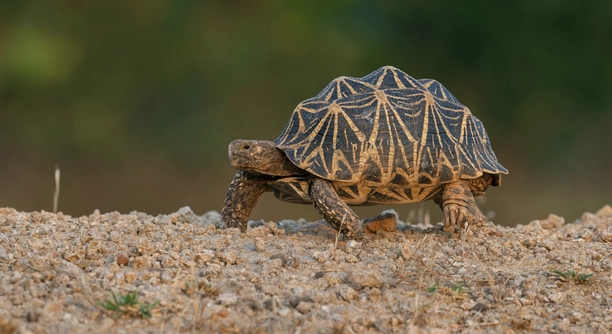
Turtles require proper lighting to maintain their health and well-being. The right lighting helps them regulate their body temperature and supports their natural behaviors. Understanding these needs will allow you to provide a comfortable environment for your pet.
Proper lighting for turtles includes providing UVB light to aid in vitamin D3 production and maintaining correct basking temperatures. A combination of UVB and heat lamps ensures the turtle receives the necessary exposure for optimal health and activity.
Maintaining the right lighting setup can prevent health issues and improve your turtle’s behavior. This guide will help you understand the essential lighting needs for your pet.
Understanding UVB Light
UVB light is essential for turtles because it helps them produce vitamin D3, which is crucial for calcium absorption. Without sufficient UVB, turtles can develop shell deformities and other health problems. Turtles naturally get UVB exposure from sunlight, but if they live indoors, artificial UVB lighting is necessary.
UVB lamps should be placed within 12 inches of your turtle’s basking area. They need to be replaced regularly, as their effectiveness decreases over time, even if they still emit light. Choose a lamp specifically designed for reptiles to ensure the correct UVB wavelength.
It’s important to monitor the intensity of the UVB light and adjust it accordingly. Without proper exposure, your turtle may not be able to metabolize calcium effectively, leading to metabolic bone disease. Providing UVB light for 10–12 hours a day mimics natural sunlight and supports your turtle’s health. Regularly check the lamp to ensure it’s functioning properly for optimal results.
Choosing the Right Heat Source
Heat lamps are another important component of your turtle’s habitat. They maintain the necessary temperature range for basking, which is crucial for digestion and overall health.
Turtles require a basking spot with temperatures between 85°F and 90°F. The heat lamp should be placed above this area to create a warm, comfortable space. In addition to the heat lamp, having a thermometer to monitor the temperature is essential.
Different types of heat lamps are available, such as incandescent bulbs and ceramic heat emitters. Incandescent bulbs provide both heat and light, but they don’t produce UVB. Ceramic heat emitters are a good option for providing heat without light, especially at night when UVB exposure isn’t needed. Adjust the heat source based on your turtle’s specific needs and ensure it’s within the proper range to avoid overheating.
Lighting Placement
Proper placement of your turtle’s light fixtures is critical. The UVB light should be positioned directly over the basking area to ensure your turtle receives the necessary exposure. Avoid placing the lamp too far from the basking spot, as this can reduce its effectiveness.
The basking area should be placed under the light, ensuring your turtle can easily move between the basking and cooler areas. It’s also important to avoid placing the light too close to the basking area to prevent overheating. A few inches between the lamp and the basking spot is usually ideal. Adjust the placement of the light to ensure consistent temperature and UVB exposure throughout the day.
Make sure the light is positioned in a way that your turtle can access it easily, but also have a cooler, shaded area where it can retreat when needed. Maintaining this balance will help your turtle thrive in its environment. Keep a consistent schedule of lighting to simulate the day-night cycle, helping your turtle maintain its natural rhythm.
Nighttime Lighting Considerations
At night, your turtle needs a break from bright lighting. This helps simulate natural conditions and gives your pet the chance to rest properly. It’s important to use a low-wattage heat source or none at all, as constant exposure can disrupt your turtle’s sleep cycle.
If temperatures drop too low during the night, consider using a ceramic heat emitter. These provide heat without light, ensuring the night cycle remains uninterrupted. A proper nighttime setup should ensure your turtle is comfortable and can regulate its body temperature naturally.
Avoid using standard light bulbs at night, as they emit unnecessary light. A well-maintained lighting schedule for both day and night supports healthy sleep patterns. Your turtle’s rest is just as crucial as its activity during the day, so keeping the environment as natural as possible ensures overall well-being.
Lighting Duration
Turtles need around 10-12 hours of light exposure per day to mimic natural conditions. This helps regulate their circadian rhythm and ensures they receive the benefits of UVB light. A timer can be used to maintain a consistent lighting schedule.
Consistency is key for your turtle’s health. Having the light turn on and off at the same time each day ensures your turtle gets the correct amount of UVB exposure and rest. Avoid leaving the light on for longer than necessary, as this can disrupt its natural behavior patterns. A regular light cycle also helps prevent stress.
UVB Lamp Maintenance
UVB lamps degrade over time and lose their effectiveness, even if they still emit visible light. Replace your UVB light every 6-12 months, depending on the manufacturer’s recommendations. Regular replacement ensures your turtle continues to receive adequate UVB exposure for its health.
Heat Lamp Adjustments
Adjusting the heat lamp based on your turtle’s needs is important for maintaining the proper temperature in its habitat. Keep a thermometer in the basking area to check the heat regularly. Make necessary changes to ensure a stable, comfortable environment.
FAQ
How long should I keep the light on for my turtle each day?
Turtles need 10-12 hours of light daily, which mimics their natural environment. A timer is an easy way to regulate the lighting duration, ensuring consistency. It’s crucial for their circadian rhythm and vitamin D3 production. Ensure the light isn’t left on too long, as this can lead to stress and disrupt their sleep cycle.
Can I use regular light bulbs for my turtle’s basking area?
Regular light bulbs are not suitable for turtles. Turtles need UVB light to produce vitamin D3 and prevent health issues like shell deformities. Use UVB bulbs designed specifically for reptiles, which emit the right wavelengths for proper calcium absorption. Regular light bulbs do not provide the necessary UVB rays.
How often should I replace the UVB bulb?
UVB bulbs lose their effectiveness over time, even if they still emit light. Typically, you should replace the UVB bulb every 6-12 months, depending on the type and manufacturer’s guidelines. Regular replacement ensures your turtle continues to get the proper UVB exposure for healthy shell development and overall well-being.
Can my turtle get enough UVB if it’s outside during the day?
If your turtle spends time outdoors in natural sunlight, it will likely get the necessary UVB exposure. However, outdoor time should be monitored to ensure the turtle is safe from predators and extreme temperatures. If your turtle is primarily indoors, providing a UVB light is essential.
Is a heat lamp necessary for my turtle’s enclosure?
Yes, a heat lamp is necessary for your turtle’s basking area. Turtles need a warm spot to regulate their body temperature and aid in digestion. The basking area should be between 85°F and 90°F. Without proper heat, your turtle may become lethargic and develop health problems.
Can I use a ceramic heat emitter at night?
Yes, ceramic heat emitters are ideal for nighttime use. They provide heat without emitting light, which is important for allowing your turtle to rest. Nighttime temperatures should be maintained between 70°F and 75°F. Ceramic heat emitters help maintain warmth without disrupting the turtle’s sleep cycle.
How far should the UVB light be from the basking area?
The UVB light should be placed within 12 inches of the basking spot for effective exposure. If it’s too far, your turtle may not get enough UVB to support calcium absorption and vitamin D3 production. It’s essential to monitor the distance and adjust as needed to ensure proper exposure.
Can I use a regular heat lamp for both heat and UVB?
No, a regular heat lamp does not provide UVB light. You need to use a separate UVB bulb specifically designed for reptiles. These bulbs emit the necessary UVB rays that regular heat lamps cannot. Some reptile-specific bulbs provide both heat and UVB, which can be more efficient.
What is the best type of UVB light for my turtle?
The best UVB light for your turtle depends on its species and size. T5 HO (high output) UVB bulbs are often recommended for larger enclosures. They provide a higher output of UVB and last longer than other types. Always choose a UVB bulb that fits your turtle’s specific needs and the size of the habitat.
Do I need to provide UVB light if my turtle is in a heated pool?
Even if your turtle is in a heated pool, it still needs access to UVB light. Turtles absorb UVB light through their skin, which helps them produce vitamin D3 for healthy bone development. If your pool is indoors or lacks natural sunlight, an artificial UVB light is necessary for proper care.
How do I know if my turtle is getting enough UVB?
Signs of inadequate UVB exposure include lethargy, lack of appetite, and shell deformities. If your turtle isn’t basking or is avoiding the light, it could be a sign the UVB light is not strong enough or properly positioned. Regularly check the effectiveness of your UVB bulb and replace it when needed.
Should I provide UVB light at night?
No, UVB light should only be provided during the day. Turtles need a proper day-night cycle for their health. UVB exposure should be limited to 10-12 hours to mimic natural conditions. At night, the UVB light should be turned off to allow the turtle to rest and recover.
Can I use a single light bulb for both UVB and heat?
Yes, some specialized reptile bulbs combine UVB and heat in one unit. These are often used for smaller enclosures. However, for larger enclosures, it may be necessary to use separate UVB and heat lamps to provide the best care for your turtle. Be sure to monitor temperature and UVB exposure.
Do turtles need light at night?
Turtles do not need light at night. In fact, constant exposure to light can disrupt their sleep cycle and stress them out. A proper day-night light cycle is essential. You can use a low-wattage ceramic heat emitter if nighttime warmth is needed, but no visible light should be present.
How can I make sure my turtle’s lighting is properly set up?
Ensure your turtle’s lighting system is correctly positioned, with UVB and heat lamps at the right distance from the basking area. Use a thermometer to monitor temperatures and a UVB meter to measure the effectiveness of your bulb. A timer will help maintain consistent lighting cycles.
Final Thoughts
Proper lighting is essential for the health and well-being of your turtle. It provides the necessary UVB light that helps them produce vitamin D3, which is crucial for strong bones and overall development. Without adequate lighting, turtles can suffer from health issues such as soft shells, poor growth, and weak immune systems. It’s important to use a UVB bulb designed specifically for reptiles and ensure it is replaced regularly, as its effectiveness diminishes over time. Along with UVB lighting, a heat source is necessary for your turtle to regulate its body temperature and support digestion.
The key to providing the best environment for your turtle lies in maintaining a consistent light cycle. Turtles need 10-12 hours of light per day to mimic natural conditions. A timer can help ensure the light stays on and off at the right times, which is important for keeping their circadian rhythm in check. When setting up your turtle’s habitat, it’s essential to position the light sources correctly. The UVB light should be placed no more than 12 inches away from the basking area to ensure your turtle gets the required exposure. Heat lamps should provide a warm spot for basking, ideally between 85°F and 90°F, to support your turtle’s ability to digest food and stay active.
While it may seem like a small detail, proper lighting is one of the most important aspects of turtle care. Consistency and attention to detail can make a significant difference in your turtle’s health. Whether your turtle is kept indoors or outside, always ensure it has access to the right type of light and temperature. By following the guidelines provided, you will help create a stable environment that promotes healthy growth and activity for your turtle, ensuring it thrives for years to come.

Hello,
If you enjoy the content that we create, please consider saying a "Thank You!" by leaving a tip.
Every little bit helps us continue crafting quality advice that supports the health, happiness, and well-being of pets around the world, for pets of all shapes, sizes, and species.
We really appreciate the kindness and support that you show us!