
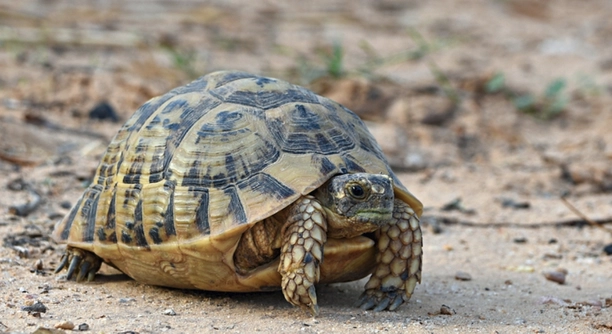
Greek tortoises are fascinating creatures, and ensuring their well-being requires more than just basic care. Enrichment plays a vital role in keeping them healthy and engaged, benefiting both their mental and physical health.
Providing enrichment for your Greek tortoise involves activities that stimulate their senses, promote natural behaviors, and encourage physical activity. Offering a variety of environments, toys, and feeding methods can help keep them mentally sharp and physically active.
Enrichment helps your tortoise thrive in ways that a simple habitat setup cannot. Understanding the importance of enrichment will ensure a better quality of life for your pet.
Creating a Stimulating Habitat
A stimulating habitat encourages natural behaviors, which is crucial for the well-being of your Greek tortoise. Use rocks, logs, and plants to create an environment where they can explore, climb, and hide. Providing different textures on the ground, like grass and sand, can simulate the wild and keep them active. Adding burrows or hiding spots will give them a place to retreat when they need to feel safe.
By mixing up the habitat with these elements, you’ll encourage your tortoise to move more, stay engaged, and have a varied environment.
Don’t forget to make sure your tortoise has enough space to roam. A larger space can reduce stress and prevent boredom. Try not to overcrowd the habitat with too many items, as this may reduce the room your tortoise needs to roam freely. A simple balance between open space and interesting elements is ideal for a thriving tortoise.
Offering Variety in Diet
A varied diet is essential for your tortoise’s overall health. Including different types of vegetables, fruits, and occasional protein sources can keep meals exciting and provide all the necessary nutrients. You can also experiment with adding edible flowers, which offer natural enrichment.
Adding variety not only meets nutritional needs but also mimics the tortoise’s natural foraging habits. By offering a mix of foods, you encourage them to explore different tastes and textures.
Greek tortoises are known for their foraging behavior, and offering a range of food items helps replicate their natural diet. A well-rounded diet can prevent boredom, stimulate their senses, and promote better digestion. Rotating foods based on seasons can keep things fresh and appealing. Be cautious with high-calcium foods, as too much can affect their health. Keep track of their preferences and make sure they are eating a balanced diet.
Encouraging Natural Behavior
Greek tortoises enjoy digging, climbing, and foraging. Offering a variety of textures and features in their habitat can help mimic their natural environment. These actions promote healthy physical and mental activity.
To encourage digging, provide loose soil or sand. This allows them to exhibit their instinctive behaviors and helps them stay active. Be mindful of the environment to ensure they don’t encounter hazards while foraging or climbing.
Adding plants, logs, or small obstacles in their enclosure will provide climbing opportunities. It’s important to create a balanced environment where your tortoise feels free to engage in natural behaviors without feeling confined. These behaviors are key to their enrichment and happiness.
Providing Shelter and Hiding Spaces
Shelter is essential for your tortoise’s well-being. It gives them a secure space to rest when they feel overwhelmed or need a break. Simple hiding spots like small wooden boxes or plants can do the job.
Hiding spots should be strategically placed to encourage exploration while providing safety. These spaces mimic the natural burrows and hiding places Greek tortoises use in the wild. Sheltering is an instinct that helps them feel safe, reducing stress and encouraging a relaxed lifestyle.
If you don’t have access to a natural hiding space, you can create one with materials you have on hand. Just ensure it’s roomy enough for your tortoise to move around comfortably. The right shelter is a crucial aspect of their enrichment.
Interactive Toys
Toys provide a great way to engage your Greek tortoise in physical and mental exercise. Simple items like puzzle feeders, small tunnels, or objects they can push around will keep them entertained.
Rotating toys can prevent boredom. Different shapes and textures will appeal to their senses, encouraging them to interact with their environment. Toys that stimulate problem-solving can help keep their minds sharp.
Sunbathing and UVB Light
Sunbathing is a crucial part of your tortoise’s daily routine. Access to natural sunlight or a UVB light source will help them synthesize vitamin D, which is necessary for healthy shell growth and digestion.
Position a basking area in their enclosure where they can soak up the sun. Ensure the light is properly positioned to provide heat and UVB.
FAQ
What is the best way to keep my Greek tortoise active?
Providing a variety of textures and spaces in their habitat is essential for encouraging activity. Offer areas with rocks, logs, and plants to climb or hide under. Creating space for them to dig and forage will also keep them moving. Adding interactive toys like tunnels or puzzle feeders encourages mental stimulation as well.
How much space does my Greek tortoise need?
Greek tortoises require ample space to explore. The more room you provide, the healthier and more active they will be. A minimum of 4×8 feet of space is recommended for one tortoise, but larger enclosures are always better. This allows them to move freely and engage in natural behaviors.
What type of diet should I offer my Greek tortoise?
A balanced diet should consist mostly of leafy greens, such as dandelion greens, collard greens, and kale. Occasional fruits and vegetables like strawberries and carrots can be offered, but should not make up the bulk of their diet. Always avoid offering high-protein foods as it can lead to kidney issues.
How often should I feed my Greek tortoise?
Feed your tortoise every day, but make sure their diet consists mainly of greens, supplemented with small amounts of fruits and vegetables. They do not need to be fed large portions, but regular meals are important to maintain their health. Fresh water should always be available.
How can I make my Greek tortoise feel comfortable in its enclosure?
Provide your tortoise with a variety of hiding spots and shelter to help them feel secure. Shelter mimics natural burrows, which helps reduce stress. Make sure the temperature is consistent, and provide a basking area with heat and UVB light to keep them healthy and comfortable.
What temperature should my Greek tortoise’s enclosure be?
The ideal temperature range for a Greek tortoise is between 75-85°F during the day, with a basking area that reaches 90-95°F. At night, the temperature can drop to around 70°F. It’s important to have both a cool area and a warm basking spot for your tortoise.
Can I house multiple Greek tortoises together?
Housing multiple Greek tortoises together can be tricky. They can become territorial, especially during feeding times. If you plan to house more than one, ensure the enclosure is large enough to allow them to maintain their own space. Keep an eye on them for signs of aggression or stress.
How can I tell if my Greek tortoise is stressed?
Signs of stress in a Greek tortoise include loss of appetite, hiding more than usual, or pacing the enclosure. Environmental factors, such as temperature or humidity, could be the cause. Ensure that their habitat is set up properly and that they are not being overstimulated by excessive handling or changes in their routine.
What type of substrate should I use for my Greek tortoise’s enclosure?
A mix of soil, sand, and coconut husk works well for Greek tortoises. This allows them to dig and burrow naturally. Avoid using cedar or pine shavings, as they can be harmful. Keep the substrate dry and ensure it’s deep enough for your tortoise to dig in.
How can I provide mental stimulation for my Greek tortoise?
Mental stimulation can be achieved by offering new objects to explore, like cardboard tubes, or puzzle feeders. These toys encourage problem-solving and prevent boredom. Additionally, placing food in different areas of the enclosure will motivate your tortoise to forage and explore its environment.
How often should I clean my Greek tortoise’s enclosure?
Clean their enclosure at least once a week to maintain a healthy environment. Remove uneaten food, clean the water dish daily, and disinfect the enclosure weekly. Make sure to spot clean any waste immediately to prevent bacteria buildup and ensure the habitat remains comfortable.
Can I let my Greek tortoise roam around outside?
If the weather permits and you can create a safe outdoor space, you can let your Greek tortoise explore. Ensure the area is secure, free of predators, and has access to shade and water. Monitor them carefully to prevent escape or injury. Always bring them back indoors if the temperature drops.
What are common health issues in Greek tortoises?
Common health issues in Greek tortoises include respiratory infections, shell rot, and metabolic bone disease. Respiratory infections are often caused by poor temperature or humidity. Shell rot is typically caused by prolonged exposure to wet conditions. Metabolic bone disease results from a lack of calcium and vitamin D. Regular checkups with a vet are recommended to monitor their health.
How can I help my Greek tortoise shed its skin?
Shedding is a natural process for Greek tortoises. Providing adequate humidity levels and a variety of textures to crawl over can help with the shedding process. If your tortoise is having difficulty shedding, consider adding a humid hide or lightly misting them with water. Avoid pulling off the skin yourself.
How do I know if my Greek tortoise is eating enough?
Monitor your tortoise’s eating habits closely. If they are active, foraging, and consuming a variety of foods, they are likely eating enough. If they stop eating, it could be a sign of illness or stress. Consistent weight tracking and a healthy appetite are indicators of proper nutrition.
Final Thoughts
Providing enrichment for your Greek tortoise is essential for their overall well-being. Their environment should mimic the natural habitat as closely as possible to ensure they stay active, mentally stimulated, and healthy. By incorporating elements like interactive toys, different textures, and hiding spots, you create a space that encourages natural behaviors. Regular access to sunlight or UVB lighting will support their health, while a proper diet will provide the necessary nutrients for growth and development. The more effort you put into their environment, the more rewarding the experience will be for both you and your tortoise.
The process of caring for a Greek tortoise involves attention to detail. Their enclosure should be large enough for them to roam freely and explore, and it must include both warm and cool areas to regulate their body temperature. Monitoring the humidity, offering proper substrates for digging, and keeping their living space clean will prevent many health issues. Regular veterinary checkups are essential to catch any early signs of illness. Understanding your tortoise’s needs and behaviors will help you provide the best care possible.
Caring for a Greek tortoise is a long-term commitment. They can live for many decades, and providing them with a stable, enriching environment ensures they thrive. Each tortoise is unique, and their preferences may differ, but with patience and care, you will see your tortoise flourish. By creating a stimulating, safe, and comfortable habitat, you contribute to their happiness and health, making the experience of having a Greek tortoise as a pet a fulfilling one.

Hello,
If you enjoy the content that we create, please consider saying a "Thank You!" by leaving a tip.
Every little bit helps us continue crafting quality advice that supports the health, happiness, and well-being of pets around the world, for pets of all shapes, sizes, and species.
We really appreciate the kindness and support that you show us!