
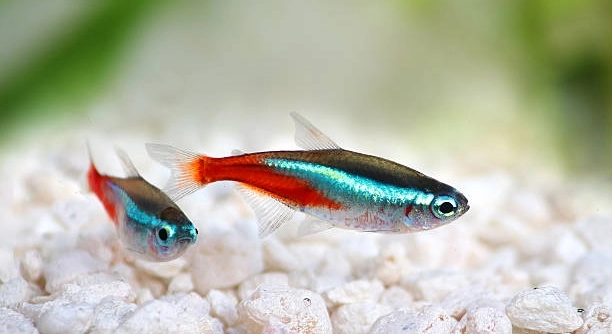
Neon Tetras are small, vibrant fish that make a colorful addition to many aquariums. While they are easy to care for, providing them with enrichment can enhance their well-being and encourage natural behaviors.
Providing enrichment for Neon Tetras involves creating an environment that stimulates their natural instincts. This can be achieved through various methods such as adding plants, offering different food types, and ensuring a suitable tank setup that includes hiding spots and swimming space.
From adding plants and food to creating the perfect tank environment, there are many ways to keep your Neon Tetras happy and healthy.
Adding Live Plants to Your Neon Tetra Tank
Live plants are a great way to add enrichment to your Neon Tetra’s environment. They not only beautify the tank but also mimic the fish’s natural habitat, which is essential for their well-being. Plants provide hiding places and create areas for the tetras to explore, making their environment feel more natural. Additionally, they can help improve water quality by absorbing excess nutrients and offering oxygen during the day. The plants you choose should be easy to maintain and not disrupt the water flow too much, as Neon Tetras prefer calm waters.
Some great plant options include Java Fern, Anubias, and Cryptocoryne. These plants are hardy and provide shelter for your Neon Tetras, which will allow them to feel safe and secure. Furthermore, they encourage natural behaviors such as swimming through the leaves or foraging among the plants. The addition of plants enhances the overall aquarium experience, both for you and your fish.
Adding live plants to your aquarium gives your Neon Tetras more opportunities for exploration. By choosing plants that are easy to care for and maintain, you can create a healthier, more enriching environment for your fish.
Providing Hiding Spots and Caves
Neon Tetras need hiding spots to feel secure and reduce stress. Providing caves and other hiding places gives them a sense of safety, which encourages more natural behavior. They are naturally shy fish that seek shelter when they feel threatened.
Using decorations like rocks, caves, or driftwood can help create hiding spots. These items mimic the natural structures that Neon Tetras would find in their native habitats. Adding a variety of hiding spots will also allow your tetras to establish their own territories, which can reduce aggression and stress between fish.
It’s important to remember that while hiding spots are essential, you should avoid overcrowding the tank. You want to strike a balance between providing adequate shelter and ensuring there is enough open space for your Neon Tetras to swim freely. This balance contributes to a more enriching environment and happier fish.
Offering a Variety of Foods
A varied diet is key to keeping your Neon Tetras healthy and active. Offering different types of food keeps them engaged and provides necessary nutrients. You can switch between flakes, pellets, and live or frozen foods like brine shrimp or bloodworms to mimic their natural diet.
By changing up their meals, you encourage them to forage and search for food, which adds a layer of enrichment. Neon Tetras are small, but they enjoy hunting and exploring different food types. Offering live or frozen foods at least once a week provides mental stimulation, encouraging natural hunting behaviors.
In addition to keeping them engaged, a varied diet can prevent nutritional deficiencies. It’s important to provide high-quality food that includes the proper balance of proteins, fats, and vitamins. This will help support their growth, color, and overall well-being.
Using Tank Mates to Provide Social Interaction
Tank mates can help provide the social interaction that Neon Tetras naturally seek. When choosing tank mates, opt for peaceful fish that won’t harass or stress out the tetras. Good companions include other small, calm species like guppies or Corydoras catfish.
When placed with the right tank mates, Neon Tetras will feel more secure and comfortable. The presence of other fish encourages the tetras to display their natural behaviors, such as swimming in schools and exploring their surroundings. This social interaction is vital to their well-being and mental stimulation.
It’s essential to monitor how your Neon Tetras interact with their tank mates. If there’s any aggression or stress, you may need to adjust the setup. Keeping the environment peaceful ensures a healthy, enriching space for your fish.
Adding Different Types of Substrate
Substrate is important for both the aesthetic and enrichment of your Neon Tetra’s tank. A variety of substrates can encourage foraging behaviors and provide hiding places. Soft, smooth gravel or fine sand is best for their small, delicate fins.
Providing a mix of substrate types can mimic the natural environment of Neon Tetras. They tend to explore and sift through the sand or gravel, searching for food or creating hiding spots. This behavior adds enrichment to their environment, keeping them mentally stimulated. It also provides surface area for beneficial bacteria, improving water quality.
Using Floating Decorations
Floating decorations in the tank can provide more variety for your Neon Tetras to interact with. These decorations encourage exploration, and the moving elements create a dynamic environment. Neon Tetras are curious, and they enjoy swimming through these decorations.
Floating items like plants or decorations with a gentle current help simulate natural conditions. Adding these can prevent your tetras from becoming bored. The added movement also catches their attention, encouraging them to chase or swim through the decorations. It adds a playful element to their environment, which can be very enriching for them.
FAQ
What kind of plants are best for Neon Tetras?
Neon Tetras thrive in tanks with live plants like Java Fern, Anubias, and Cryptocoryne. These plants are hardy and easy to care for. They offer hiding spots and help maintain water quality, providing a more natural environment for your fish. Choosing plants that won’t disrupt the flow of water is important since Neon Tetras prefer calm currents.
How many Neon Tetras should I keep together?
Neon Tetras are social fish and should be kept in schools of at least six to eight. Keeping them in groups allows them to feel secure and reduces stress. Larger schools encourage more natural behavior, like swimming in formations, and reduce the risk of bullying or aggression among the fish.
Can Neon Tetras live with other fish?
Yes, Neon Tetras can live with other peaceful fish, such as guppies, Corydoras catfish, or small shrimp. It’s best to avoid aggressive species that might stress the tetras. Compatibility depends on tank size, so make sure there’s enough space for all the fish to swim comfortably.
How can I tell if my Neon Tetra is stressed?
Signs of stress in Neon Tetras include faded colors, erratic swimming, hiding more than usual, or rapid gill movement. Stress can be caused by poor water quality, overcrowding, or incompatible tank mates. Monitoring their behavior and keeping the tank conditions stable helps prevent stress-related issues.
How often should I feed my Neon Tetras?
Feed Neon Tetras small portions once or twice a day. Overfeeding can lead to water quality issues. It’s important to remove uneaten food after a few minutes. A varied diet, including flakes, pellets, and occasional live or frozen foods like brine shrimp, is best for their health.
Can I keep Neon Tetras with bettas?
Bettas are known for being territorial and can be aggressive, so it’s generally not recommended to keep them with Neon Tetras. The bright colors of Neon Tetras might trigger aggression in a male betta, especially if they feel their territory is being invaded. If you do keep them together, ensure the tank is large enough and there are plenty of hiding spots.
What temperature should the water be for Neon Tetras?
Neon Tetras thrive in water temperatures between 72°F and 78°F (22°C to 26°C). It’s crucial to maintain a stable temperature to ensure their health and comfort. Using a reliable heater and thermometer in the tank can help achieve the right conditions.
Are Neon Tetras sensitive to water conditions?
Yes, Neon Tetras are sensitive to water quality. They prefer slightly acidic to neutral water with a pH between 6.0 and 7.0. Regular water changes and proper filtration are important to maintain a healthy tank environment. Test the water regularly for ammonia, nitrite, and nitrate levels.
How do I prevent my Neon Tetras from getting sick?
The best way to keep Neon Tetras healthy is by maintaining excellent water quality, offering a varied diet, and keeping the tank clean. Regular water changes, proper filtration, and avoiding overcrowding are key factors. Quarantine any new fish before introducing them to the tank to avoid introducing diseases.
How long do Neon Tetras live?
Neon Tetras typically live for about 5 to 10 years in a well-maintained aquarium. Their lifespan depends on the quality of their care, water conditions, and diet. Providing them with a healthy, stable environment can help them reach their full lifespan.
Do Neon Tetras need a filter?
Yes, Neon Tetras require a filter to keep the water clean and oxygenated. They prefer low to moderate water flow, so choose a filter that suits their needs. A good filtration system helps remove toxins, waste, and excess food, ensuring the water stays clear and healthy for the fish.
Can I keep Neon Tetras in a tank without a heater?
Neon Tetras are tropical fish and need warm water to thrive. While it’s possible to keep them in a tank without a heater, it’s not recommended. A heater ensures the water stays within the ideal temperature range, preventing stress and promoting better health and activity.
Do Neon Tetras need a light?
Neon Tetras do well with moderate lighting, but they don’t need bright lights. A light that mimics natural day and night cycles is beneficial for their well-being. A 10-12 hour light period during the day is ideal. At night, it’s important to turn off the lights to give them a proper rest.
What is the ideal tank size for Neon Tetras?
The minimum tank size for Neon Tetras is 10 gallons, especially if you’re keeping them in a school. A larger tank allows for better water quality and space for swimming. A bigger tank with proper filtration also helps maintain stable conditions for the fish.
How do I breed Neon Tetras?
Breeding Neon Tetras can be challenging, but it’s possible with the right conditions. You’ll need a separate breeding tank with soft, slightly acidic water and a temperature between 75°F and 80°F. Use fine-leaved plants to provide places for the eggs to rest. Once the eggs hatch, remove the parents to avoid them eating the fry.
Why are my Neon Tetras not eating?
If your Neon Tetras aren’t eating, it could be due to stress, illness, or water quality issues. Check the water conditions, make sure the tank is not overcrowded, and ensure the food you’re offering is appropriate. If they continue not eating, it’s important to check for signs of illness and consult a vet if needed.
What should I do if my Neon Tetra is sick?
If you notice that your Neon Tetra is sick, remove it from the main tank to prevent spreading disease. Check the water conditions and make any necessary adjustments. You can treat common fish diseases like ich or fin rot with medication, but make sure to follow the instructions carefully.
Can I keep Neon Tetras in a tank with plants and snails?
Yes, Neon Tetras can live in tanks with plants and snails. The plants offer shelter and improve water quality, while snails help clean up debris. Just ensure that the snails are not too large or aggressive, as they can sometimes compete for food with the tetras.
What type of water do Neon Tetras need?
Neon Tetras prefer soft, slightly acidic water with a pH of 6.0 to 7.0. They can tolerate slightly harder water, but it’s not ideal. Regularly testing the water and adjusting the hardness and pH with appropriate conditioners can help keep them comfortable.
Can I use a UV sterilizer with Neon Tetras?
A UV sterilizer can be beneficial for keeping the water clean and free of harmful microorganisms. It’s generally safe for Neon Tetras, but it’s important not to overuse it, as too much UV light can affect the natural bacteria in the tank. Use it as needed to prevent algae or disease outbreaks.
Final Thoughts
Neon Tetras are small, vibrant fish that add color and life to any aquarium. Providing enrichment for them is crucial to their well-being and overall health. By offering a variety of environmental stimuli like plants, substrates, and decorations, you can mimic their natural habitat. This not only makes the tank more interesting but also helps keep your Neon Tetras mentally and physically active. Whether it’s adding hiding spots, using floating decorations, or ensuring they have a proper school of their own, there are many ways to improve their environment.
While setting up the perfect tank for Neon Tetras, it’s important to keep their specific needs in mind. Water temperature, pH, and quality are essential factors that affect their health. Regular water changes and proper filtration are necessary to maintain a stable environment. A stable and calm tank, with moderate lighting and gentle filtration, will allow Neon Tetras to thrive. Creating a natural and safe environment for them ensures they can exhibit their natural behaviors, such as schooling and foraging, leading to a happier and more active fish.
Lastly, monitoring the health of your Neon Tetras is key to preventing issues. Watch for signs of stress, poor eating habits, or changes in behavior, and address any problems early. Regularly checking their tank conditions and adjusting as needed will help prevent diseases and improve their quality of life. Overall, with the right care, Neon Tetras can live for many years and continue to bring beauty and activity to your aquarium. The simple steps taken to provide them with enrichment, proper care, and a healthy environment will reward you with a vibrant and lively tank.

Hello,
If you enjoy the content that we create, please consider saying a "Thank You!" by leaving a tip.
Every little bit helps us continue crafting quality advice that supports the health, happiness, and well-being of pets around the world, for pets of all shapes, sizes, and species.
We really appreciate the kindness and support that you show us!