
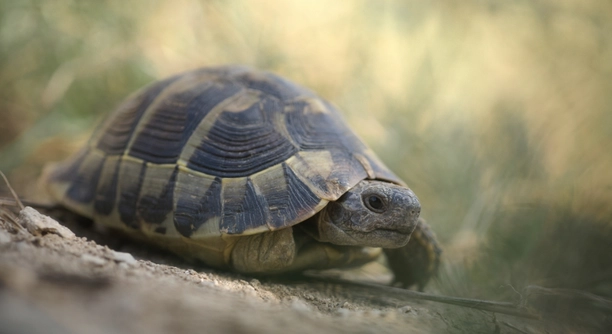
Hermann’s tortoises are charming and gentle creatures, but they can be vulnerable to parasites. Understanding how to protect them is key to keeping them healthy and thriving. Here are seven practical ways to help.
To protect your Hermann’s tortoise from parasites, it’s crucial to maintain a clean habitat, monitor their diet, and ensure proper veterinary care. Regularly checking for signs of infection, along with deworming, can also reduce the risk of parasitic infestations.
By following these steps, you can keep your tortoise free from parasites and ensure they live a long, healthy life. Proper care is essential to prevent health issues down the road. Keep reading for more helpful tips!
Keep Their Habitat Clean
A clean living environment is essential for preventing parasites in Hermann’s tortoises. Regularly remove uneaten food, waste, and bedding that might harbor parasites. Replace soiled bedding and clean the enclosure thoroughly with non-toxic disinfectants. This reduces the chance of parasites like mites or worms infesting your tortoise’s space. Make sure the habitat has proper ventilation to prevent mold and bacteria buildup, which can lead to health issues.
Keeping your tortoise’s space clean also helps prevent stress and boosts their immune system. The more hygienic their environment, the less likely they are to encounter parasites. If you use outdoor enclosures, ensure they’re properly fenced to avoid exposure to wild animals that may carry parasites.
Cleaning your tortoise’s habitat not only protects them from parasites but also improves their overall health. A clean environment encourages natural behavior and helps your pet feel safe and comfortable. Regular maintenance is key to reducing the risk of infections and illnesses that can stem from poor hygiene.
Monitor Their Diet
Feeding your Hermann’s tortoise a balanced diet is another critical way to prevent parasites. Stick to natural, fresh foods like leafy greens, vegetables, and safe flowers, avoiding any contaminated or improperly handled foods.
A proper diet boosts their immune system, making it easier for their bodies to fight off parasites. Parasitic infections often come from eating unwashed or spoiled food, so ensure their meals are always clean and fresh.
Regular Vet Checkups
Regular veterinary visits are vital to protect your Hermann’s tortoise from parasites. A professional checkup can detect early signs of infection that might not be visible to the untrained eye. It’s essential to establish a routine, ensuring your tortoise is regularly dewormed and checked for internal parasites.
Routine health exams can catch parasitic problems before they become serious. Your vet will be able to guide you on the best treatment plans and preventive measures to maintain your tortoise’s health. Early detection ensures a quicker and more effective response to any parasite issues.
Not only will these checkups help protect against parasites, but they also provide general health assessments that ensure your tortoise is thriving. Regular vet care is crucial for maintaining a long and healthy life for your pet. If left untreated, parasites can cause severe health problems, so it’s better to stay ahead of any potential issues.
Sunlight Exposure
Exposure to sunlight is an often-overlooked aspect of parasite prevention. UVB light helps boost your tortoise’s immune system, making it more resistant to parasites and infections. A proper basking spot is essential for their overall health.
UVB exposure helps your tortoise produce vitamin D3, which is crucial for calcium absorption. Without it, they may develop weak bones, making them more susceptible to infections and parasitic diseases. For tortoises in indoor enclosures, providing UVB lighting will help mimic natural sunlight and promote a healthy immune system.
Make sure your tortoise gets enough sun daily, either through outdoor time or under artificial UVB lights. It’s essential not to underestimate the power of natural sunlight in maintaining their overall health and preventing parasitic infections. A well-balanced lifestyle that includes proper UVB exposure will help strengthen their natural defenses.
Quarantine New Tortoises
Whenever you bring a new tortoise home, it’s important to quarantine them for a few weeks. This helps prevent any potential parasites from spreading to your other pets. Keeping them isolated will give you time to observe and detect any health issues before introducing them to your main enclosure.
During the quarantine period, monitor for signs of parasites such as abnormal behavior, weight loss, or abnormal shell shedding. This ensures that parasites aren’t transferred to other tortoises or pets in your home. By taking this simple step, you help keep your existing tortoises healthy and parasite-free.
Quarantining new tortoises provides time to ensure they are in good health. If parasites are detected, you can treat the newcomer before they are introduced to your other tortoises, reducing the risk of spreading infections.
Use Natural Parasite Treatments
There are natural treatments available to help protect your tortoise from parasites. Certain herbs like oregano, thyme, or garlic are known for their antiparasitic properties and can be added to their diet in moderation.
These natural treatments are an excellent preventive measure but should be used carefully. It’s important to consult with your vet before introducing any new herbs or supplements into your tortoise’s diet. Some herbs may be too strong or ineffective, depending on the type of parasite.
FAQ
What are the common parasites that affect Hermann’s tortoises?
Common parasites that affect Hermann’s tortoises include internal parasites like roundworms, tapeworms, and coccidia, as well as external parasites such as mites and ticks. These parasites can cause various health issues like digestive problems, skin irritation, and general weakness. It’s important to look for symptoms like weight loss, lethargy, or abnormal shell shedding. Regular vet checkups and keeping their habitat clean can help prevent and manage these parasitic infections.
How do I know if my tortoise has a parasite?
Signs of parasitic infection in Hermann’s tortoises can vary. Look out for weight loss, lethargy, and changes in behavior. A tortoise with internal parasites might have irregular bowel movements, often with visible worms in their stool. External parasites, like mites or ticks, can cause irritation, leading to shell or skin damage. If you notice any of these signs, it’s important to consult a vet for a diagnosis and treatment.
Can I treat parasites at home?
While some mild cases of external parasites, like mites, can be managed with home treatments like cleaning the shell and using a mild pesticide, internal parasites usually require medication from a veterinarian. Over-the-counter dewormers might not be effective for all types of parasites and could potentially harm your tortoise. Always consult your vet before starting any treatment at home to ensure it’s safe and effective.
How often should I deworm my Hermann’s tortoise?
The frequency of deworming depends on your tortoise’s environment, diet, and health. For adult Hermann’s tortoises living in a clean, controlled environment, deworming once a year is usually sufficient. However, younger tortoises or those that have been exposed to potential parasite sources may need more frequent treatments. It’s best to consult with your vet for a personalized deworming schedule.
Can parasites affect the growth of my tortoise?
Yes, parasites can interfere with the growth of a tortoise by causing malabsorption of nutrients and leading to weight loss or poor appetite. Internal parasites, especially, can damage the digestive system, preventing your tortoise from properly absorbing the vitamins and minerals it needs to grow. Regular checkups and a balanced diet are essential to prevent this from happening.
Are certain foods more likely to cause parasitic infections?
Some foods, especially those that are not properly washed or are contaminated, can introduce parasites into your tortoise’s system. Always wash greens and vegetables thoroughly before feeding them to your tortoise. Avoid feeding them food that may have been exposed to wild animals or insects, as these can carry parasites. It’s best to stick to trusted sources for your tortoise’s food to minimize the risk of contamination.
What are the best preventive measures for parasites?
The best preventive measures include maintaining a clean habitat, providing a balanced and fresh diet, and ensuring your tortoise gets proper UVB exposure. Quarantining new tortoises before introducing them to your main enclosure can also help prevent the spread of parasites. Regular vet checkups and deworming as recommended are essential to maintaining your tortoise’s health.
Can my tortoise catch parasites from other pets?
Yes, Hermann’s tortoises can catch parasites from other pets, especially if those pets have been in contact with wild animals or have poor hygiene. For example, rodents, birds, and other reptiles may carry parasites that can infect your tortoise. Keep your tortoise’s living area separate from other animals’ areas, and regularly clean and disinfect shared spaces to reduce the risk of cross-contamination.
What should I do if my tortoise has mites?
If your tortoise has mites, the first step is to clean and disinfect its enclosure thoroughly. You can bathe your tortoise in warm water to help remove visible mites. Consult your vet for appropriate treatment, which may include topical treatments or medications specifically designed to treat mites. It’s important to treat the entire enclosure and any accessories to prevent reinfection.
How can I reduce the risk of parasitic infections in my outdoor tortoise?
For outdoor tortoises, keeping the enclosure clean is even more important. Regularly inspect the area for signs of wild animals that could bring in parasites, such as rodents or birds. Avoid placing your tortoise’s food or water in areas that are close to wild animal activity. Provide a sheltered, clean area for them to retreat to, and monitor the environment for signs of contamination.
Can stress make my tortoise more susceptible to parasites?
Yes, stress can weaken your tortoise’s immune system, making it more susceptible to infections, including parasites. Ensure that your tortoise’s living environment is peaceful, with the right temperature, humidity, and space for movement. Avoid sudden changes in their diet or enclosure, as these can cause stress and make them more vulnerable to parasites and other health issues.
Final Thoughts
Taking care of a Hermann’s tortoise requires attention and effort, but it’s worth it to ensure they stay healthy and happy. Protecting them from parasites is an essential part of their overall care. Regular cleaning of their habitat, providing a balanced diet, and ensuring they get enough sunlight are key steps to keeping them safe. These actions help reduce the chances of parasite infestations, making it easier for your tortoise to live a long, healthy life.
It’s also important to stay consistent with veterinary checkups and parasite treatments. Even if you maintain a clean and safe environment, it’s always a good idea to have your tortoise checked by a vet. Parasites can be hard to spot early on, and a professional can help catch any issues before they become serious. Regular visits can help with prevention, keeping your tortoise strong and immune to common health issues. Additionally, staying informed about your tortoise’s specific needs can help you better manage their care.
By following these simple steps and staying proactive, you can reduce the risk of parasites and other health problems for your tortoise. Whether it’s creating a clean habitat, choosing the right foods, or providing the right light exposure, each action you take plays a role in keeping your tortoise safe. Caring for a Hermann’s tortoise is a rewarding experience, and with the right precautions, you can help your pet thrive for many years to come.

Hello,
If you enjoy the content that we create, please consider saying a "Thank You!" by leaving a tip.
Every little bit helps us continue crafting quality advice that supports the health, happiness, and well-being of pets around the world, for pets of all shapes, sizes, and species.
We really appreciate the kindness and support that you show us!