
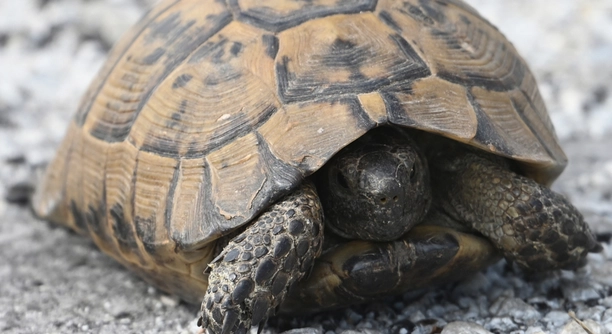
Greek tortoises are beloved pets known for their calm nature and unique characteristics. However, they face threats from various predators that can harm them. Understanding how to protect them is essential for their safety and well-being.
To protect your Greek tortoise from predators, ensure they have a secure outdoor habitat with proper fencing to prevent animals from entering. Create hiding spots for your tortoise and monitor the area for potential dangers like predators or environmental hazards.
Taking steps to create a safe environment for your tortoise will help keep them secure and thriving. With a little effort, you can provide the protection they need.
Secure the Enclosure with Strong Fencing
A solid, high fence is one of the most effective ways to protect your Greek tortoise. Make sure the fencing is buried deep into the ground, preventing predators from digging underneath. Choose materials like metal or thick wire mesh to ensure strength. Regularly check for any gaps or damage that could allow entry.
The fence should be at least 18-24 inches high to prevent climbing. A tight design will stop smaller predators like raccoons or foxes from accessing the enclosure. Always ensure the fence is kept intact, especially after storms or other weather events.
It’s important to monitor the perimeter consistently. Checking for signs of weakness and repairing any gaps promptly will give you peace of mind. A secure enclosure provides your tortoise with a safe space to roam freely without constant fear of predators. Don’t forget to keep other animals out by maintaining the enclosure’s strength.
Add Natural Hiding Spots
Providing natural hiding spots for your tortoise will help them feel safer. Creating shaded areas where they can retreat when feeling threatened is crucial. Adding large rocks, logs, or plants is an easy way to achieve this.
A few well-placed hiding spots give your tortoise the freedom to escape potential dangers. Tortoises will use them for both protection and rest, ensuring they stay healthy and stress-free.
Keep the Habitat Free of Overgrown Vegetation
Overgrown plants and weeds provide shelter for predators like snakes and rodents. Regularly trim the vegetation in and around your tortoise’s enclosure. Keeping the area clear helps reduce the risk of these animals approaching your tortoise undetected.
Trimming back overgrown vegetation also provides your tortoise with more space to move around. Without the excess cover, predators have fewer places to hide, making it easier for you to spot any approaching threats. Aim for a balanced environment, with enough shelter for your tortoise but not so much that it encourages potential danger.
Regular maintenance of your tortoise’s enclosure can go a long way in ensuring their safety. With a clear space, you are more likely to notice anything unusual in the area, making it easier to protect your pet. Take time to regularly assess the vegetation around the habitat.
Monitor the Weather and Climate Conditions
Extreme weather conditions can also pose a threat to your tortoise. Heavy rain or strong winds can damage their enclosure, allowing predators to access their habitat. Stay aware of local weather forecasts and take necessary precautions, like reinforcing the fencing before a storm.
In addition to protecting your tortoise from predators, the weather can impact their health. Greek tortoises need a stable temperature range, and harsh conditions may force them into hiding for safety. Monitoring the environment and adjusting their habitat ensures their long-term comfort and security. Always be prepared for unexpected weather changes, as these can have immediate consequences for your tortoise’s safety.
Avoid Free-Range Time Without Supervision
While it’s important for your tortoise to get fresh air, free-range time should be carefully monitored. Without supervision, your tortoise is vulnerable to predators such as birds of prey or neighborhood pets. Always stay nearby when letting them roam.
If you must let your tortoise out, keep a close eye on the surroundings. Be ready to intervene if any potential threats appear. It’s essential to ensure that they are not exposed to dangers they cannot escape from.
Use Secure Outdoor Shelters
Adding an outdoor shelter for your tortoise gives them a safe space to retreat during the day. Use sturdy materials like wood or plastic that can protect them from larger predators. The shelter should be ventilated but still secure from larger animals.
A shelter offers your tortoise both safety and comfort. During colder weather or nighttime, they can take refuge, avoiding exposure to the elements. It also provides them with a space to rest undisturbed. Be sure to regularly inspect it to ensure no damage or holes allow entry from predators.
FAQ
What are the most common predators of Greek tortoises?
Greek tortoises face several predators, depending on their environment. Common threats include foxes, raccoons, birds of prey, and domestic pets like dogs and cats. In some areas, even snakes can pose a danger. These predators may try to attack the tortoise either for food or out of curiosity.
How can I tell if a predator has been near my tortoise’s enclosure?
Signs of predators can include broken fences, disturbed dirt or plants, and tracks near the enclosure. If you notice your tortoise acting unusually stressed or hiding more than usual, it could be an indication that a predator has approached. Regular checks around the habitat are important to ensure safety.
Can I let my tortoise roam freely outdoors?
It’s not recommended to let your tortoise roam freely without supervision. Even in a secure yard, there are many dangers such as predators, vehicles, or harmful plants. Supervised outdoor time is essential, but you should always keep an eye on them to avoid any potential threats.
How can I secure my tortoise’s enclosure from digging predators?
To prevent digging predators, bury your fence at least 12-18 inches deep into the ground. This prevents animals from burrowing underneath the fence. You can also install a mesh barrier around the base of the enclosure to add extra protection. Checking the fencing regularly is key to preventing any gaps.
Are there certain plants I should avoid planting near my tortoise’s habitat?
Yes, some plants can be harmful to tortoises. Avoid planting toxic plants such as oleander, foxglove, and ivy. These can cause poisoning if ingested by your tortoise. It’s also a good idea to make sure plants near the enclosure don’t provide cover for predators or attract unwanted animals.
What are the best types of fencing for a tortoise enclosure?
The best fencing for a tortoise enclosure is durable and predator-proof. Materials like galvanized steel mesh or welded wire fencing work well. The fence should be strong enough to withstand attempts from animals like raccoons or dogs. Make sure it’s at least 18-24 inches high, and ensure it is properly secured.
Should I provide shelter for my tortoise?
Yes, it’s a good idea to provide a sheltered area for your tortoise. It offers them a place to hide if they feel threatened, as well as protection from harsh weather. A small wooden or plastic shelter with proper ventilation can be a great option.
How can I tell if my tortoise is stressed from a predator encounter?
Signs of stress in tortoises include changes in behavior, such as hiding more frequently, refusing food, or being unusually aggressive. A tortoise might also display signs of fear, like retreating into its shell at the slightest disturbance. Monitoring your tortoise’s behavior can help detect stress early.
Can I use motion sensors or alarms to protect my tortoise?
Yes, motion sensors or alarms can add an extra layer of protection to your tortoise’s habitat. These devices can alert you if an animal approaches the enclosure, allowing you to act quickly. Some motion-activated lights or sprinklers can also help deter predators from getting too close.
What should I do if I find a predator near my tortoise’s enclosure?
If you find a predator near your tortoise’s enclosure, ensure your tortoise is safely secured and not in immediate danger. Use a deterrent like loud noises or a spray of water to scare off the predator. If the predator is persistent, contact local wildlife authorities for advice on handling the situation.
How do I protect my tortoise from birds of prey?
Birds of prey can be particularly dangerous for smaller tortoises. To protect your tortoise from hawks or owls, create a cover over the enclosure, such as a solid roof or netting. Additionally, having large plants or structures in the area can help make it more difficult for birds to swoop down.
Can I add a companion for my tortoise? Will this help protect them?
Adding a companion for your tortoise is not typically recommended for protection. Tortoises are solitary creatures and may not interact well with others. Instead, focus on strengthening their environment and providing them with proper shelter. It’s better to ensure your tortoise’s safety through secure fencing and monitoring.
How often should I check the fencing and enclosure?
It’s essential to check your tortoise’s enclosure and fencing at least once a week. This will allow you to spot any wear, damage, or potential entry points for predators. After storms or heavy winds, check the fence immediately to ensure it remains intact and safe. Regular inspections can prevent unexpected dangers.
Do I need to worry about insects or smaller animals being a threat to my tortoise?
While insects and small animals like ants or rodents aren’t usually direct threats, they can cause stress or minor injuries. Keep an eye on the enclosure for any signs of pests or ants, which could attract your tortoise’s attention. These creatures can also interfere with their food supply.
What are some signs that my tortoise’s habitat needs improvement?
If your tortoise seems stressed or refuses to leave its shelter, this could be a sign that the environment isn’t safe. Additionally, if you notice damage to the fence or holes, predators could be entering. Make sure the temperature and humidity levels are appropriate, as poor conditions can also affect their well-being.
How can I ensure my tortoise feels comfortable and secure in their enclosure?
To ensure your tortoise feels safe, provide enough space, shelter, and hiding spots. Keep the environment calm and avoid introducing loud noises or sudden disturbances. Check for signs of stress regularly and make adjustments as needed. A safe and stable environment will help your tortoise thrive.
Final Thoughts
Protecting your Greek tortoise from predators is an important responsibility that requires careful planning and attention. Whether your tortoise is housed indoors or outdoors, creating a secure environment is essential for its well-being. There are various steps you can take to safeguard your pet, from building a sturdy enclosure to providing shelter from predators. Regular monitoring of your tortoise’s surroundings, as well as being vigilant for any signs of danger, will help keep them safe.
In addition to physical protection, it is crucial to understand the needs of your tortoise. This includes ensuring they have a safe and comfortable living space, both indoors and outdoors. The right environment will reduce stress, allowing your tortoise to feel secure and thrive. Keep in mind that predators can be unpredictable, so it’s always better to err on the side of caution. The more you can minimize potential threats, the more relaxed your tortoise will be in their habitat.
Finally, always stay informed about any risks that could affect your tortoise. This includes keeping up with local wildlife and potential changes in your area that may introduce new predators. Being proactive and understanding your tortoise’s behavior will help you recognize any potential threats early. Protecting your Greek tortoise from predators isn’t just about securing their space; it’s about ensuring their health and happiness.

Hello,
If you enjoy the content that we create, please consider saying a "Thank You!" by leaving a tip.
Every little bit helps us continue crafting quality advice that supports the health, happiness, and well-being of pets around the world, for pets of all shapes, sizes, and species.
We really appreciate the kindness and support that you show us!