
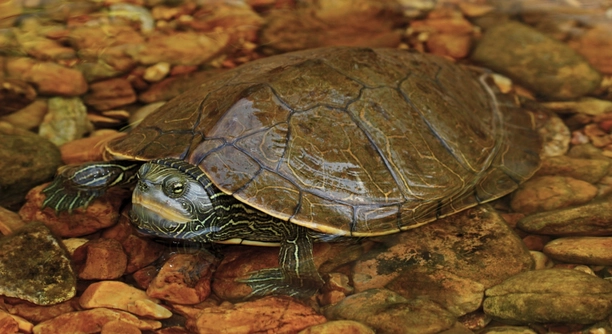
Hatchlings are delicate creatures that require extra care when housed with tankmates. Ensuring their safety and well-being is important to prevent stress or harm from other aquarium inhabitants. Here are some ways to protect them.
To protect hatchlings from aggressive or overly curious tankmates, providing them with separate spaces, monitoring tank conditions, and carefully selecting compatible species are key strategies. Adequate hiding spots and a peaceful environment further promote their safety and health.
By taking the right precautions, you can help your hatchlings thrive alongside other tankmates. Understanding their needs and environment is essential for successful cohabitation in your aquarium.
Provide Adequate Hiding Spots
Hiding spots are one of the most important elements in any tank where hatchlings are kept with other tankmates. Young creatures feel safer when they have places to retreat to, especially when they are still getting accustomed to their new environment. Rock formations, plants, or specially designed caves can serve as excellent hiding places. The key is to make sure that these hiding spots are accessible to the hatchlings but not easily reached by other fish or creatures that might pose a threat. It’s also essential that these areas are placed throughout the tank, providing hatchlings with multiple options for hiding.
While some fish species can be territorial, creating ample hiding spots can give your hatchlings the chance to feel more secure. By reducing stress and providing escape routes, the chances of them being targeted by aggressive tankmates are minimized. If a hatchling feels cornered or threatened, a hiding spot will act as a safe haven where it can recover and feel protected.
A well-designed tank with adequate hiding spots is one of the most effective ways to protect your hatchlings. It’s important to consider the layout carefully to ensure the young ones are safe from unwanted attention. Combining plants, decorations, and different levels in the tank can create a more natural and protective habitat for them.
Choose Compatible Tankmates
Choosing compatible tankmates for your hatchlings is vital. It’s important to select species that won’t harm or stress them out. Some fish are naturally more aggressive and will attack smaller, weaker tankmates.
The size, behavior, and temperament of tankmates can make a big difference in how safe your hatchlings feel. For instance, peaceful species like certain tetras or guppies are often suitable tankmates for young creatures, while larger or more aggressive fish should be avoided to prevent injury. This simple step can make a huge difference in how well your hatchlings thrive in a shared environment.
Hatchlings are often more vulnerable and need tankmates that will not pose a threat to them. Fish like bettas, cichlids, or other territorial creatures should be avoided. However, many smaller or peaceful fish species can coexist with hatchlings, giving them the opportunity to grow and develop without undue stress.
Maintain Stable Water Conditions
Consistent water conditions are crucial for hatchlings to stay healthy. Sudden changes in temperature, pH, or salinity can cause stress or even death. Regular water testing helps maintain stability and ensures a safe environment for the young ones. Keep an eye on the tank’s water quality, especially in newly set up aquariums.
Hatchlings are particularly sensitive to water quality fluctuations. Poor water conditions can lead to health problems, making them more vulnerable to illness and injury from aggressive tankmates. By using a reliable filter and performing regular water changes, you can prevent harmful buildups and maintain a safe space for your hatchlings.
Stability in water parameters also supports the growth and development of hatchlings. This stability ensures they are not under constant stress, which could affect their immune system and overall health. A well-maintained aquarium reduces the risk of disease and ensures that tankmates can coexist peacefully with your hatchlings.
Separate Aggressive Species
Separating more aggressive tankmates is a smart strategy to protect your hatchlings. Fish such as bettas, cichlids, and large predatory species can cause harm if left in the same space. Keeping these species apart gives hatchlings a better chance to thrive.
Aggressive tankmates can not only hurt hatchlings physically but can also cause stress, which affects their growth and development. It’s essential to observe the behavior of your tankmates closely. If certain species show signs of aggression, it’s better to house them in separate tanks to protect your hatchlings. Creating clear boundaries can ensure the well-being of all the inhabitants.
In some cases, you can use tank dividers or partitions to separate more aggressive species from the hatchlings. This allows both groups to coexist in the same tank but without direct interaction. Adding barriers keeps the aggressive species in their area while still providing space for hatchlings to move freely and feel safe.
Monitor Feeding Times
Feeding your hatchlings separately from other tankmates can ensure they get enough food. When sharing space with other fish, more dominant species may grab food first, leaving the hatchlings hungry. Regularly observing feeding times can prevent this issue.
By offering food in smaller portions or at different times, hatchlings can eat without competition. This approach ensures they receive the nutrients they need to grow. If multiple species are in the tank, it’s essential to monitor the feeding process to avoid aggressive behaviors over food.
Providing separate feeding zones or using feeding rings can help distribute food evenly and avoid overfeeding.
Use Tank Dividers
Tank dividers can be an easy solution to protect your hatchlings from tankmates. A simple barrier creates a clear separation between species, keeping both groups safe.
Tank dividers also help maintain water quality for different species. They can separate more aggressive species while still allowing you to keep multiple fish in the same tank. These dividers are usually adjustable, ensuring you can create the ideal space for hatchlings to thrive without feeling threatened by larger or more territorial fish.
FAQ
What size tank is best for hatchlings?
The ideal tank size for hatchlings depends on the species, but generally, a tank with at least 10-20 gallons provides enough space. A larger tank allows for more hiding spots and room for growth. Smaller tanks can quickly become overcrowded, making it more difficult to manage water quality. For smaller species, a 10-gallon tank may suffice, but for larger hatchlings or multiple young fish, aim for a 20-gallon or larger setup. Make sure to include a filter that can handle the tank size to keep the water clean.
How do I protect hatchlings from aggressive tankmates?
The best way to protect hatchlings from aggressive tankmates is by using physical barriers like tank dividers. This allows aggressive species to remain separated while still being in the same aquarium. Another strategy is carefully selecting tankmates that are peaceful and not likely to harass smaller or weaker fish. Offering hiding spots for the hatchlings is also crucial, as it gives them a place to retreat when feeling threatened. If aggression persists, removing the aggressive species or rehoming the hatchlings may be necessary.
Can hatchlings survive with adult fish?
Hatchlings can survive with adult fish, but only if the adult fish are peaceful and not predatory. Larger species or fish with aggressive tendencies might view hatchlings as prey or may bully them. It’s safer to keep hatchlings with species known to be gentle, like small tetras, guppies, or other community fish. If you have adult fish that are not entirely peaceful, consider separating the hatchlings in a separate tank or using a divider to reduce the risk of harm.
How often should I feed hatchlings?
Hatchlings need frequent feedings, typically 2-3 times a day, depending on their species and size. Younger hatchlings have faster metabolisms and require more food to support their growth. It’s important to feed them small, manageable portions that they can consume within a few minutes. Overfeeding can lead to water quality issues, so it’s better to feed them smaller amounts more often. Also, ensure that the food is suitable for their size and nutritional needs.
Are water temperature and pH levels important for hatchlings?
Yes, water temperature and pH levels are crucial for the health of hatchlings. Most hatchlings thrive in stable water conditions, with a temperature range of 72-78°F (22-26°C) being ideal for many freshwater species. pH levels should be kept within the range that is natural for the species you are keeping. Sudden shifts in these parameters can stress hatchlings and even result in health problems. Regular water testing is important to maintain stability in the tank and avoid harmful fluctuations that could affect your young fish.
How can I tell if my hatchlings are stressed?
Stressed hatchlings may exhibit signs such as erratic swimming, hiding more often than usual, or a lack of appetite. Stress can also cause them to become more prone to illness. They may also lose their color or develop signs of physical injury, such as torn fins or lesions. It’s important to observe their behavior regularly and act quickly if you notice signs of distress. Make sure the water conditions are optimal, that tankmates are compatible, and that there are enough hiding spots to reduce stress.
Do hatchlings need special lighting?
Hatchlings do benefit from appropriate lighting, but it’s not necessary to provide special lighting beyond what the tank already needs. Most hatchlings do well with a consistent light cycle, simulating day and night, which helps maintain their natural rhythms. Be sure to avoid too much light, as it can cause stress or promote algae growth. A gentle light setup will suffice for most hatchling species, and it’s good to mimic their natural environment as closely as possible.
How do I introduce new tankmates to my hatchlings?
Introducing new tankmates requires a gradual process to avoid causing stress or aggression. It’s best to introduce new fish when the hatchlings are already settled and comfortable in their tank. Start by placing the new fish in a separate container or use a tank divider to let them get used to each other’s presence. After some time, monitor their behavior closely to ensure there’s no aggression or stress. Make sure the new tankmates are compatible with hatchlings before introduction.
Can hatchlings live in a tank with plants?
Yes, hatchlings can live in a tank with plants, and it can actually be beneficial for them. Plants provide hiding spots and help create a more natural environment. Live plants also help maintain water quality by absorbing excess nutrients, which reduces the likelihood of algae blooms. Be sure to choose plants that are safe for the hatchlings, as some species might have sharp edges or could be harmful if consumed. Plants also offer a surface for baby fish to graze on, promoting their health and growth.
Should I use a filter in the tank for hatchlings?
A filter is essential for maintaining water quality in any tank, including one with hatchlings. A good filter removes waste, debris, and toxins that can accumulate quickly in a tank. However, make sure the filter’s flow is gentle, as strong currents can stress hatchlings or even pull them into the filter. It’s a good idea to use a sponge filter or one with adjustable flow to ensure that the filter keeps the water clean without creating turbulence. Regular maintenance and cleaning of the filter are also important to ensure optimal function.
Final Thoughts
Taking care of hatchlings in an aquarium requires careful attention to their environment and tankmates. By providing adequate hiding spots, maintaining stable water conditions, and choosing compatible species, you can create a safe and nurturing space for young fish to thrive. Hatchlings are vulnerable, and their well-being relies on creating a balance that allows them to grow without facing unnecessary threats or stress. With a little effort and attention to detail, you can ensure that they are given the best possible chance for a healthy, happy life in your tank.
Another important aspect of caring for hatchlings is feeding. As young fish grow rapidly, they need frequent, small meals that meet their nutritional needs. Overfeeding should be avoided, as it can quickly affect water quality and lead to health issues. A consistent feeding routine, along with appropriate food for their size and species, ensures that hatchlings develop properly. Along with proper nutrition, regular monitoring of the water temperature, pH, and filter maintenance will help keep their environment optimal and free from harmful fluctuations.
Finally, patience and observation are key. Hatchlings may be delicate, but with time, you’ll better understand their needs and behavior. Regular monitoring will help you spot potential issues before they become serious. By observing their interactions with tankmates and the environment, you’ll know when adjustments need to be made. The right approach will not only keep your hatchlings safe but will also help your aquarium thrive as a balanced ecosystem. By making small changes and being attentive, you can enjoy watching your hatchlings grow into healthy, fully developed fish.

Hello,
If you enjoy the content that we create, please consider saying a "Thank You!" by leaving a tip.
Every little bit helps us continue crafting quality advice that supports the health, happiness, and well-being of pets around the world, for pets of all shapes, sizes, and species.
We really appreciate the kindness and support that you show us!