
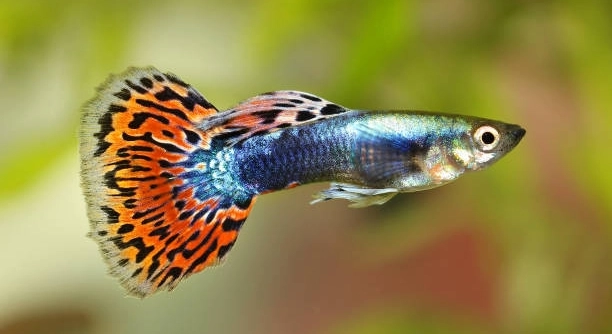
Guppy fry are vulnerable to predators in a tank, which can lead to high mortality rates. Protecting them is essential to ensure their survival and healthy development. Knowing how to keep them safe is crucial for any aquarium enthusiast.
The best way to protect guppy fry from predators is by providing hiding spots, using breeding nets, and keeping the fry in separate tanks. By minimizing exposure to larger fish and ensuring a secure environment, fry survival increases significantly.
Taking proactive steps to create a safe environment will help ensure your guppy fry grow strong and healthy. Keep reading to learn more about effective ways to protect them from predators.
Providing Adequate Hiding Spots
Guppy fry are naturally vulnerable to predation, and one of the simplest ways to protect them is by offering hiding spots. Adding plants, decorations, or rocks can provide a safe space for fry to retreat from larger fish. Dense plants, like Java moss or hornwort, not only offer cover but also help with water quality. Fry instinctively seek out areas where they can remain hidden, and this behavior is vital for their survival.
For added protection, consider using breeding tanks with small mesh holes to allow fry to escape if they feel threatened. These spaces should be free from current or any large fish that might pose a threat.
Remember that creating hiding spots isn’t just about having plenty of plants or decorations. The structure and layout are equally important. Dense plant coverage should be spread throughout the tank, ensuring no area is left unprotected. Fry are most active when hiding and will avoid open spaces where larger fish may notice them. By adding the right elements, you ensure their safety and contribute to their overall well-being.
Using Breeding Nets
Breeding nets are another great tool for protecting guppy fry. They create a safe, separate environment within your main tank. By keeping fry in these nets, you limit their exposure to predators while still maintaining tank water conditions.
Breeding nets are easy to set up and come in a range of sizes, allowing you to choose the best fit for your fry. These nets also allow you to monitor your fry more closely. Fry are at less risk, and their chances of surviving increase drastically.
Separating Fry From Adult Fish
When guppy fry are in the same tank as adult fish, the risk of predation is high. Adult guppies and other fish may see the fry as food. Therefore, it’s important to separate the fry from adult fish as soon as possible.
Using a separate tank or a partition within the main tank helps create a safe space for the fry to grow. A breeding box, which is small and can be suspended in the larger tank, can also help keep the fry separated but still allow them to be in the same water environment.
It’s essential to keep the fry separated until they grow large enough to avoid being eaten. This method helps them develop without the threat of predation. In the meantime, the fry should be given optimal care and attention to ensure they are growing healthy and strong.
Water Quality and Temperature
Water quality is crucial for the survival of guppy fry. Poor water conditions can cause stress, weak immune systems, and even death. Regularly monitoring the water temperature, pH level, and ammonia content is necessary to ensure a safe environment.
Fry are particularly sensitive to water changes. A stable water temperature of 76-80°F (24-27°C) is ideal for their growth. Sudden shifts in temperature can weaken their immune systems and make them more vulnerable to predators. Likewise, maintaining clean water prevents the buildup of harmful substances like ammonia and nitrates.
Frequent water changes, proper filtration, and testing water parameters will help maintain a healthy environment for the fry. Keeping the water clear reduces the likelihood of stress, which can impact their development. By paying attention to these factors, you ensure a better chance for the fry to thrive.
Adding Plants to the Tank
Plants are essential in creating a safe environment for guppy fry. They not only provide hiding spots but also help to stabilize the water quality. By incorporating plants into the tank, you help create a natural refuge for the fry.
Live plants like Java moss, Anubias, or floating plants like duckweed offer both shelter and oxygen. They provide the fry with a safe area to hide and reduce stress from larger fish. Additionally, plants help maintain water stability by absorbing excess nutrients that could harm the fry.
Feeding the Fry
Guppy fry require small, frequent feedings to ensure healthy growth. Overfeeding, however, can lead to water contamination, which may harm the fry. Feed small portions of high-quality, finely crushed food or specialized fry food.
Be sure to remove any uneaten food after feeding to maintain clean water. Fry typically eat several times a day, so breaking feedings into smaller, more frequent sessions can help. A well-fed fry is a strong fry, but balance is key to prevent water issues.
Using a Tank Divider
A tank divider can help separate the fry from larger fish in a shared tank. This simple tool is effective in ensuring the safety of your fry while allowing you to maintain one tank setup. Tank dividers are available in adjustable sizes.
FAQ
How can I tell if my guppy fry are at risk of being eaten?
Guppy fry are most vulnerable in the first few weeks of life. If they are constantly staying near the bottom or near hiding spots, it may indicate they feel threatened by larger fish. Fry that swim openly in the tank may be at greater risk of predation. Observing the behavior of the adult fish is also important. If the adults are actively chasing the fry or seem unusually focused on them, it’s a sign that predation might be happening.
What is the best way to separate fry from adult guppies?
The most effective way to separate fry is by using breeding tanks or breeding boxes. These create a safe area where the fry can grow without the risk of being eaten. A partition or divider within the main tank can also help, especially if you don’t want to set up a separate tank. These tools ensure that the fry stay safe while maintaining the same water parameters as the adult guppies.
How often should I feed my guppy fry?
Guppy fry need small, frequent feedings. Aim to feed them three to four times a day. Since they have small stomachs, overfeeding can cause water contamination. Offer finely crushed flakes or specialized fry food that is rich in nutrients. Keep portions small to prevent uneaten food from fouling the water.
Do I need to add plants to the tank for fry protection?
Yes, plants offer more than just aesthetic value. Live plants like Java moss or floating plants provide critical hiding spots for fry. They can escape larger fish by hiding in dense plant growth. Plants also help maintain water quality by absorbing excess nutrients, creating a healthier environment for both the fry and the adult fish.
Can I keep my guppy fry in the same tank as the adults if there are enough hiding spots?
It’s possible, but it’s not recommended. Even with hiding spots, adult fish may still catch and eat the fry. Some adult guppies may ignore the fry, while others will actively hunt them. The safest option is to use breeding nets, breeding boxes, or a separate tank to ensure the fry’s safety.
How long should I keep my guppy fry separated from adult fish?
Fry should be kept separate until they are large enough to avoid being eaten by the adults. This usually takes around 4 to 6 weeks, depending on the growth rate of the fry. During this period, the fry should be monitored to ensure they are growing and healthy. Once they reach a size where they can swim freely and avoid predation, they can be safely introduced back into the main tank.
What kind of filtration is best for a guppy fry tank?
In a fry tank, it’s important to use gentle filtration. Strong water currents can be harmful to the fry, as they are still small and fragile. A sponge filter or a low-flow filter is ideal, as it provides clean water without creating a strong current. Always monitor the fry to make sure the filtration system is not disturbing them.
Can guppy fry survive without a heater?
Guppy fry require a stable water temperature between 76-80°F (24-27°C) for optimal growth and survival. While a heater is not strictly necessary in warm environments, it is highly recommended to maintain a consistent temperature. Without a heater, fluctuations in temperature can stress the fry and weaken their immune systems, making them more susceptible to disease.
How do I maintain water quality in a fry tank?
Regular water changes are essential to keeping the fry’s tank clean. Perform small water changes every two to three days, changing about 10-20% of the water. This prevents the buildup of ammonia and other harmful substances that can harm the fry. Use a gentle sponge filter to maintain constant filtration without disturbing the fry. Always test the water for ammonia, nitrites, and nitrates to ensure safe conditions.
What is the best way to handle guppy fry during tank maintenance?
During tank maintenance, it’s important to minimize stress for the fry. If you need to remove the fry, use a soft net or a container to gently scoop them up. It’s best to perform any maintenance when the fry are in a separate, safe space. Avoid disturbing their hiding spots too much, as this could cause them stress.
Can I raise guppy fry with other species in the same tank?
Guppy fry are best raised in a tank with minimal other species. While some peaceful species may not harm them, many fish are opportunistic feeders and will see the fry as a meal. If you plan to keep other species in the same tank, be sure they are small, non-aggressive, and pose no threat to the fry.
Final Thoughts
Protecting guppy fry from predators requires careful planning and attention. By taking the right precautions, you can help ensure their survival and give them the best chance to grow into healthy adult guppies. Setting up a separate space for the fry is one of the most effective ways to keep them safe. Whether using a breeding box, tank divider, or a completely separate tank, providing them with a secure area reduces the risk of predation from adult guppies or other tank mates.
Maintaining good water quality and temperature is also crucial. Fry are especially sensitive to changes in their environment. It’s important to keep the water clean and ensure that the temperature stays stable between 76-80°F. Regular water changes, gentle filtration, and monitoring the water parameters can help prevent harmful spikes in ammonia or nitrates. A stable and clean environment promotes healthy growth and reduces stress, which in turn lowers the chances of the fry being targeted by larger fish.
Finally, feeding and providing adequate hiding places for the fry ensures that they grow strong and healthy. Giving them small, frequent feedings of suitable food helps support their development. Plants in the tank can provide important hiding spots, which allows the fry to feel safe from potential predators. With the right care, guppy fry can thrive, growing strong enough to eventually integrate with the adult fish in your tank. Taking these steps will not only protect the fry but will also contribute to a healthier, more balanced aquarium overall.

Hello,
If you enjoy the content that we create, please consider saying a "Thank You!" by leaving a tip.
Every little bit helps us continue crafting quality advice that supports the health, happiness, and well-being of pets around the world, for pets of all shapes, sizes, and species.
We really appreciate the kindness and support that you show us!