
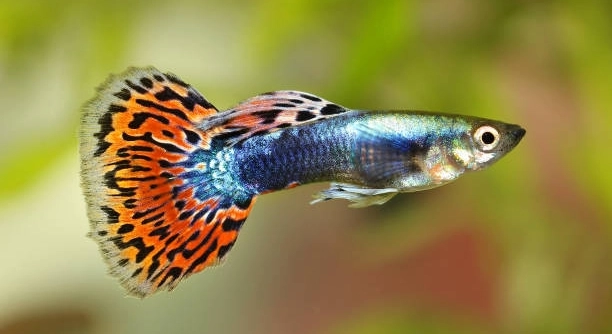
Guppies are delicate fish that require stable conditions to thrive. Sudden changes in their environment can cause them stress, leading to health problems or even death. Ensuring they remain safe from these shifts is key to their well-being.
Protecting guppies from sudden changes involves maintaining stable water temperature, pH levels, and water quality. Regular water testing and gradual adjustments are essential to avoid stressing them. Additionally, avoid abrupt changes in tank placement or lighting.
By following these tips, your guppies can stay safe and healthy in their environment. Keep reading to learn more about how you can ensure their protection.
Maintaining Consistent Water Temperature
Water temperature plays a crucial role in the health of guppies. These fish thrive in temperatures between 72-78°F (22-26°C). Any sudden drop or increase in temperature can shock their system, leading to stress or illness. This can be particularly dangerous during winter months or when aquarium equipment fails. A reliable heater can help keep the water temperature stable. Regular monitoring with an accurate thermometer ensures that your guppies stay within their ideal temperature range.
Guppies are sensitive to rapid fluctuations. A gradual temperature change is safer if adjustments are needed. Sudden changes can weaken their immune systems and make them more susceptible to diseases.
To prevent temperature-related issues, ensure your aquarium has a functioning heater with a thermostat. Additionally, avoid placing the tank in areas with extreme temperature shifts, such as near windows, air conditioners, or heaters. If you need to adjust the temperature, do so slowly to avoid shocking your guppies. Consistent warmth is one of the most important aspects of guppy care.
Managing pH Levels
The pH level of the water is vital for guppy health. The ideal pH for guppies is between 7.0 and 8.0. When the pH fluctuates too much, it can cause stress and even harm your fish. Regular testing with a reliable pH meter is essential.
Sudden changes in pH can occur due to poor water quality or an imbalance in the tank’s filtration system. Maintaining stability is key to a healthy environment for your guppies. Regular water changes and using pH buffers can help keep the levels in check.
To maintain a balanced pH, perform routine water testing and make gradual adjustments when necessary. Avoid using chemical treatments unless absolutely needed. A consistent pH range will reduce stress, allowing your guppies to live a healthier life.
Maintaining Clean Water
Guppies need clean water to stay healthy. Poor water quality can cause a host of problems, including disease and stress. Regular water changes and proper filtration help keep the tank environment safe for them.
To ensure your guppies thrive, perform water changes every week, replacing 20-25% of the water. Using a good-quality filter that suits the size of your tank can help maintain cleanliness by removing debris and harmful substances. It’s also important to regularly clean the tank and remove uneaten food.
Be mindful of overfeeding, as excess food can pollute the water quickly. Always check your water parameters to ensure they remain within the ideal range for guppies. Maintaining clean water is essential for preventing common health issues such as fin rot or skin lesions.
Avoiding Sudden Light Changes
Lighting plays a role in the health of guppies. Sudden changes in light exposure can cause stress and disrupt their natural rhythm. A consistent day-night cycle is important for their well-being.
Setting up a reliable light schedule can help guppies feel secure and adjust to their environment. Ensure the tank receives 10-12 hours of light per day, followed by a period of darkness. Too much or too little light can stress the fish, leading to behavioral changes or health problems. Consider using a timer to regulate the light cycle.
If you need to adjust the lighting, do it gradually. Sudden shifts in light intensity or duration can cause confusion and stress. A consistent light pattern is key to keeping your guppies happy and healthy.
Preventing Overcrowding
Overcrowding in the tank can cause stress and reduce water quality. Guppies need space to swim and establish territories. A tank that’s too small can lead to competition for resources and increase the risk of disease.
A good rule of thumb is one inch of fish per gallon of water. Keeping the tank appropriately stocked helps maintain a healthy environment. Regularly check the number of guppies and ensure there’s enough room for each one to thrive.
By avoiding overcrowding, your guppies will have a better chance at living long, healthy lives. A spacious tank encourages natural behaviors and reduces the chances of aggressive interactions.
Avoiding Stress from Tank Mates
Tank mates can impact the health of guppies. While guppies are generally peaceful, they can become stressed if kept with overly aggressive species. It’s essential to choose tank mates carefully to ensure harmony.
When selecting other fish, make sure they share similar water requirements and aren’t prone to bullying. Guppies can become skittish around aggressive species, which can weaken their immune systems. Keeping them with peaceful and compatible species will reduce the risk of stress-related health issues.
Stress from aggressive tank mates can lead to a variety of health problems, including reduced appetite and weakened immune systems. Ensure you know the temperament of each fish species before introducing them to the tank.
Handling Water Additives Carefully
Water conditioners and additives are useful but should be used with care. Overuse or incorrect dosing can harm your guppies. Always follow the instructions on the product label to avoid introducing harmful substances.
Regularly test your water after adding any chemicals to make sure the levels remain safe. Additives like chlorine neutralizers and pH adjusters should be added gradually. Frequent testing is key to maintaining a healthy water balance.
FAQ
How do I know if my guppies are stressed?
Stress in guppies can show up in various ways. Common signs include erratic swimming, hiding, loss of color, and refusal to eat. If your guppy is constantly darting around the tank or staying in one corner, it’s likely stressed. Stress can also weaken their immune system, making them more susceptible to disease. It’s important to check the water conditions and the behavior of other tank mates to rule out any potential causes of stress.
Can sudden temperature changes harm my guppies?
Yes, sudden temperature changes can be very harmful to guppies. They are sensitive to fluctuations in water temperature, and even a slight change can cause them stress or make them ill. It’s best to use an aquarium heater with a thermostat to maintain a stable water temperature. If you need to make adjustments, do so gradually, over a period of hours or days, to avoid shocking the fish.
What is the best way to acclimate new guppies to the tank?
When introducing new guppies to the tank, it’s essential to acclimate them slowly to prevent shock. Start by floating the bag with the new guppies in the tank water for about 15 minutes to equalize the temperatures. Then, gradually add small amounts of tank water into the bag every 10 minutes. After about 30 minutes, gently release the guppies into the tank. Avoid just dumping them directly in, as this can cause them stress.
How often should I feed my guppies?
Guppies should be fed small portions two to three times a day. Only feed them what they can consume in a few minutes to prevent overfeeding, which can pollute the tank. It’s also essential to include a variety of foods in their diet, such as flakes, pellets, and live or frozen foods, to ensure they get all the nutrients they need. Remove any uneaten food after a few hours to keep the water clean.
Why is my guppy’s color fading?
If your guppy’s color is fading, it could be a sign of stress, illness, or poor water quality. Stress factors such as overcrowding, incompatible tank mates, or water temperature fluctuations can lead to a loss of vibrancy. Poor diet or insufficient lighting can also cause guppies to lose their color. Check the water parameters and tank conditions and ensure that your guppies are receiving a balanced diet.
Do guppies need a filter?
Yes, a filter is essential for maintaining clean water in the tank. Guppies produce waste that can quickly accumulate and pollute the water. A filter helps to remove debris and harmful chemicals, creating a healthier environment for your guppies. Choose a filter that is appropriate for the size of your tank and avoid filters that create strong currents, as guppies prefer calm water.
Can guppies live with other fish?
Guppies are peaceful fish and can generally live with other species that share similar water requirements. They are best kept with other non-aggressive, small fish that won’t compete for food or territory. Avoid keeping them with large or predatory fish, as they may stress out or even prey on the guppies. Always research the tank mates you plan to introduce to ensure compatibility.
What water temperature is ideal for guppies?
Guppies thrive in water temperatures between 72°F and 78°F (22°C to 26°C). It’s important to maintain a stable temperature within this range to avoid stressing your guppies. Sudden temperature changes can make them more vulnerable to diseases. An aquarium heater with a thermostat is highly recommended to regulate the temperature effectively.
How can I prevent my guppies from getting sick?
To prevent illness, ensure that your guppies have a clean and stable environment. Maintain proper water quality by performing regular water changes, testing the water parameters, and using a filter. Avoid overcrowding and provide a varied diet to boost their immune system. Quarantine any new fish before introducing them to your tank to prevent the spread of disease.
Can guppies breed in a community tank?
Yes, guppies can breed in a community tank, but if you don’t want them to reproduce, it’s best to separate males from females. Male guppies are often more active and colorful, which can attract the females. If you don’t want baby guppies, you can either keep only one gender or invest in a breeding trap for the females.
What should I do if my guppies are showing signs of illness?
If your guppies show signs of illness, such as lethargy, faded color, or abnormal swimming behavior, isolate them from the rest of the tank immediately. Check the water parameters and make sure they are within the ideal range. Treat any waterborne illnesses with appropriate medications, but always follow the instructions. In cases of serious illness, consulting with a vet or aquatic specialist is a good idea.
How can I make sure my guppies are getting enough oxygen?
Guppies need well-oxygenated water to stay healthy. You can ensure this by maintaining a good filtration system and using an air pump if necessary. Make sure the tank is properly aerated to allow for sufficient oxygen exchange. Adding live plants can also help increase oxygen levels in the tank.
What should I do if my guppies are not eating?
If your guppies are not eating, first check the water conditions to ensure they are within the ideal parameters. Poor water quality can affect their appetite. Try offering different types of food, as they may be bored with their current diet. If they still refuse to eat, it could be a sign of illness, and you may need to isolate them and seek treatment.
How can I help my guppies adjust to new water conditions?
When changing water in the tank, do it gradually to avoid stressing your guppies. Sudden changes in water parameters can shock them. Always match the new water’s temperature and pH with the old water before adding it to the tank. It’s important to test the new water for chlorine, ammonia, and other harmful chemicals before use.
Are guppies good for beginners?
Yes, guppies are an excellent choice for beginners. They are hardy fish that are easy to care for and adapt well to different environments. However, it’s essential to maintain proper water conditions and provide a balanced diet to ensure their health and well-being. Regular tank maintenance and monitoring water quality will help ensure they thrive.
Final Thoughts
Taking proper care of your guppies involves understanding their needs and providing a healthy, stable environment. Guppies are relatively easy to care for, but they do require attention to detail when it comes to water quality, temperature, and tank conditions. They thrive in clean water with stable temperatures and should be kept with compatible tank mates. Overcrowding and sudden changes in their environment can lead to stress, which may negatively impact their health.
To ensure your guppies stay healthy, it’s important to monitor their behavior and physical condition regularly. Any signs of illness or stress should be addressed quickly to prevent further complications. Providing a balanced diet and avoiding overfeeding will also keep your guppies in good shape. Remember that they are social fish and benefit from living in groups. This will allow them to express their natural behaviors and interact with each other, leading to a more fulfilling life in the tank.
Overall, with the right care and attention, guppies can live long, healthy lives in your aquarium. They are hardy fish that adapt well to various conditions, making them a great choice for both beginners and experienced aquarium keepers. Regular water changes, proper tank maintenance, and careful observation are key to maintaining a healthy tank environment. If you follow these basic guidelines, your guppies will thrive and continue to bring joy to your aquarium.

Hello,
If you enjoy the content that we create, please consider saying a "Thank You!" by leaving a tip.
Every little bit helps us continue crafting quality advice that supports the health, happiness, and well-being of pets around the world, for pets of all shapes, sizes, and species.
We really appreciate the kindness and support that you show us!