
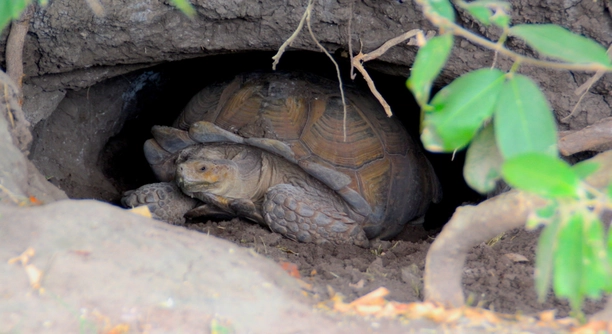
Is your sulcata tortoise constantly trying to escape its enclosure, leaving you worried about its safety? These large, determined tortoises are known for their strength and persistence, making it essential to secure their habitat and prevent potential breakouts.
The most effective way to prevent your sulcata tortoise from escaping is by creating a sturdy, well-designed enclosure. A secure barrier, proper burrow depth, and regular maintenance can help ensure your tortoise remains safely contained while still enjoying its environment.
Understanding how to reinforce your tortoise’s enclosure can save you time and prevent future problems. Taking the right precautions will help keep your tortoise secure while giving it the space and comfort it needs.
Build a Strong and Secure Enclosure
A well-built enclosure is the first step in keeping your sulcata tortoise safe. The walls should be at least 24 inches tall and extend 12 inches underground to prevent digging escapes. Using sturdy materials like wood, concrete blocks, or heavy-duty fencing ensures durability. Avoid weak barriers like chicken wire, as sulcatas can push through flimsy materials. The enclosure should also provide shaded areas, proper ventilation, and enough space for natural movement. A secure top isn’t always necessary, but if predators are a concern, adding a protective cover can offer extra security.
Regularly inspect the enclosure for weak spots or damage. Tortoises are persistent, and even a small gap can become an escape route over time. Fix any issues immediately to prevent problems before they arise.
Adding natural obstacles like large rocks or bushes can discourage escape attempts. Creating an enriching space helps keep your tortoise engaged and less likely to test the boundaries.
Reinforce the Corners and Edges
Sulcatas often escape by pushing against corners or weak edges. Reinforcing these areas with solid materials like concrete or thick wooden beams prevents them from gaining leverage.
Since sulcatas are excellent diggers, placing flat stones or paving slabs along the perimeter can stop them from tunneling out. A smooth inner wall surface also makes climbing difficult, reducing escape attempts. Using L-shaped barriers buried underground provides additional protection against digging. If your tortoise frequently tests the enclosure, consider adding a second layer of fencing as reinforcement.
Creating a well-secured enclosure may take extra effort, but it significantly reduces the risk of escape. Once the structure is properly reinforced, your sulcata will be safely contained while still enjoying a comfortable, natural environment.
Prevent Digging Under the Fence
Sulcata tortoises are strong diggers, making underground barriers essential. A buried fence at least 12 inches deep can stop them from tunneling out. Using materials like concrete, bricks, or hardware cloth reinforces the perimeter and keeps your tortoise safely contained.
Lining the base of the enclosure with large, flat stones or paving slabs can discourage digging. These materials create a firm surface that tortoises struggle to break through. Another option is to install an L-shaped barrier underground, with one side extending outward to block escape routes. Regularly checking for new digging spots helps catch potential issues early. If your tortoise keeps digging, providing a designated burrowing area within the enclosure can satisfy its natural instincts while preventing escape attempts.
A deep, well-packed substrate can also make digging more difficult. Using a mixture of soil and clay adds density, reducing the chances of tunnels forming. Placing logs or plants near the fence line creates additional obstacles.
Use Visual Barriers to Reduce Escape Attempts
Tortoises often try to escape when they see beyond their enclosure. Solid fencing, like wood or opaque plastic, blocks their view and discourages escape attempts. If they can’t see an open space, they are less likely to test the boundaries.
A minimum fence height of 24 inches is usually enough, but taller barriers may be necessary for larger tortoises. Avoid see-through materials like chain-link fences, as they can encourage persistent pushing. Adding a slight inward curve to the top of the fence makes climbing harder. If you prefer a natural look, dense plants along the enclosure edges create a visual barrier while adding enrichment to their space.
Consistently maintaining the barrier ensures it remains effective. Checking for gaps, warping, or damage helps prevent unexpected escapes. A well-structured enclosure, combined with solid visual barriers, keeps your sulcata safe while reducing escape-related stress.
Secure Gates and Entry Points
Gates are common escape points, so they should be sturdy and properly latched. Using heavy-duty locks or slide bolts prevents accidental openings. Avoid lightweight gates, as sulcatas can push through weak materials. Checking for gaps around the hinges and bottom edge ensures there are no easy exit routes.
Adding a barrier at the base of the gate stops tortoises from squeezing underneath. A strip of wood or metal secured to the bottom helps close small gaps. If the gate swings open too easily, installing a self-closing hinge can provide extra security and prevent accidental openings.
Provide Proper Enrichment
Bored tortoises are more likely to test enclosure boundaries. Adding logs, tunnels, and different terrain textures keeps them engaged. A varied environment reduces escape attempts by providing mental and physical stimulation. Creating shaded areas and designated digging spots also helps keep their natural behaviors contained within the enclosure.
Monitor and Adjust as Needed
Observing your tortoise’s behavior can reveal weak spots in the enclosure. If escape attempts increase, reinforcing the fence or adding additional barriers may be necessary. Regularly walking the perimeter and making adjustments ensures your tortoise remains secure over time.
FAQ
Why is my sulcata tortoise trying to escape?
Sulcata tortoises are naturally curious creatures and will try to escape if they are bored or feel confined. They may also be attempting to find food, water, or a mate. If their enclosure is too small or lacks proper enrichment, they might look for a way out. A lack of adequate hiding spots or shelter could also contribute to escape behavior.
How high should the fence be for a sulcata tortoise?
A fence should be at least 24 inches tall, though larger tortoises may require a taller barrier. Sulcata tortoises are not climbers, but they can push against low fences or squeeze through gaps. Make sure the fence is solid, with no easy escape routes, and consider a fence height of 36 inches or more for extra security.
Can a sulcata tortoise climb fences?
Sulcatas aren’t known for climbing, but they can push against or climb up very low fences. A fence with an inward curve at the top can help prevent climbing. Reinforcing the top edge or adding mesh can also keep them from attempting to scale the fence.
How deep should I bury the fence?
To prevent digging under the fence, it should be buried at least 12 inches deep. If your tortoise is determined to escape, digging can happen quickly. Make sure to extend the underground barrier outward if possible, using materials like concrete or hardware cloth.
What should I do if my sulcata tortoise keeps escaping?
First, check for weak spots in the fence and reinforce them. Ensure the gate is secure and has no gaps. If the fence is sturdy and the tortoise is still escaping, try offering more enrichment. A designated digging area or a larger space could keep them engaged and reduce their desire to escape.
Are there any common mistakes when building a sulcata tortoise enclosure?
One common mistake is using weak or inappropriate materials. Chicken wire, for example, is not strong enough and can be easily pushed through. Another mistake is not providing enough space or hiding areas for the tortoise, leading to boredom and escape attempts. Also, not considering the tortoise’s natural digging instincts can lead to escapes.
Can I use plants inside the enclosure?
Yes, plants are great for enriching your sulcata tortoise’s environment. Choose tortoise-safe plants that provide shade and help with natural foraging behavior. However, be mindful of the types of plants, as some may be toxic. Make sure to regularly check plants for damage or signs of decay.
How do I ensure my tortoise stays safe inside its enclosure?
Make sure the enclosure is sturdy, tall, and deep enough to prevent escapes. Regularly inspect for gaps, wear, and tear. Additionally, provide a comfortable temperature, hydration, and food. A well-maintained enclosure ensures your sulcata tortoise remains safe and healthy.
Can I have a roof on the enclosure?
If predators are a concern or your tortoise is particularly persistent, adding a roof is a good idea. Use materials that provide adequate ventilation and shade. If your sulcata is housed in a warmer climate, ensure the roof doesn’t create excess heat or restrict airflow.
How do I stop my sulcata tortoise from digging under the fence?
Digging is a natural behavior for sulcata tortoises, so preventing it completely can be tricky. Burying the fence at least 12 inches deep and extending it outward will help. You can also place flat stones or paving slabs along the perimeter to block digging.
Can I keep multiple sulcata tortoises together in one enclosure?
It is possible, but you need to ensure there is enough space and separate areas for each tortoise to avoid aggression. Sulcata tortoises are territorial and can sometimes fight over space or food. Make sure the enclosure is large enough to provide for the needs of multiple tortoises.
What materials are best for a sulcata tortoise’s enclosure?
Wood, concrete, and metal are all solid choices for constructing an enclosure. They are strong enough to prevent escapes and provide durability. Avoid using thin wire mesh or weak fencing, as sulcata tortoises can push or dig through these materials.
How often should I check my sulcata tortoise’s enclosure?
Inspect the enclosure regularly for any signs of wear, damage, or weak spots. It’s a good idea to check at least once a week, especially after heavy rains or extreme weather conditions. Regular checks help prevent escapes before they happen.
Is it okay to use a chain-link fence for a sulcata tortoise?
Chain-link fences are not the best option for sulcata tortoises, as they can see through them and may be more likely to attempt an escape. If you do use chain-link, ensure it’s reinforced and tall enough to prevent climbing or pushing through. Consider adding a solid visual barrier to block their view.
How much space does my sulcata tortoise need?
Sulcata tortoises need plenty of room to roam. The minimum recommended space for one adult tortoise is around 100 square feet. More space is always better, as it allows your tortoise to roam, forage, and engage in natural behaviors. A larger enclosure also helps reduce stress and escape attempts.
How do I make the enclosure more interesting for my sulcata tortoise?
Add natural elements like rocks, logs, and plants to create a more stimulating environment. Offering various textures, such as sand, dirt, or grass, allows your tortoise to dig and explore. Including a shallow water dish and hiding spots can also make your tortoise feel more secure and entertained.
Final Thoughts
Keeping your sulcata tortoise safe and secure should always be a priority. These tortoises are naturally curious and can be quite persistent in trying to escape if they aren’t provided with the proper care and environment. By building a strong, secure enclosure that meets their physical and mental needs, you can reduce the risk of escape and help your tortoise live a happy, healthy life. Regularly checking the condition of the enclosure, ensuring there are no gaps or weak spots, and providing adequate space and enrichment will go a long way in preventing escape attempts.
Enclosure maintenance plays a key role in preventing sulcata tortoises from escaping. Regular inspections of the gate, fence, and any other vulnerable points are essential. You should also make sure that the materials used are durable enough to withstand the strength of a determined tortoise. Reinforce weak spots and consider adding a roof or extending the fence underground to prevent digging. An enclosure that meets these needs will help your tortoise stay safe and secure while enjoying its natural behaviors.
Aside from the physical structure, enrichment and environmental factors are just as important. Sulcata tortoises need space to roam, forage, and explore. Providing a variety of textures, hiding spots, and opportunities for digging will help keep them occupied and reduce the desire to escape. Adding safe plants, rocks, or logs will not only make the environment more interesting for your tortoise but will also allow it to express natural behaviors. By focusing on both the security of the enclosure and the enrichment of its habitat, you’ll create a space where your sulcata tortoise can thrive without the need for escape.

Hello,
If you enjoy the content that we create, please consider saying a "Thank You!" by leaving a tip.
Every little bit helps us continue crafting quality advice that supports the health, happiness, and well-being of pets around the world, for pets of all shapes, sizes, and species.
We really appreciate the kindness and support that you show us!