
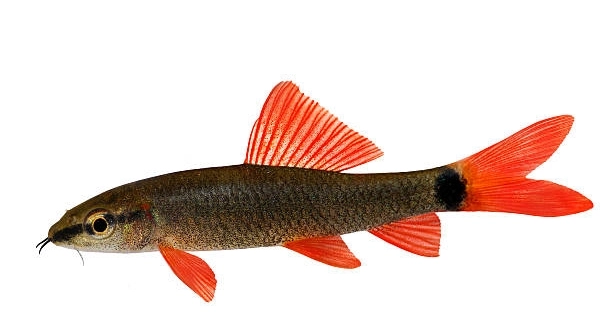
Rainbow Sharks are popular aquarium fish known for their vibrant colors and active nature. Many fish owners want to ensure their Rainbow Sharks stay happy and healthy in their tanks. Loneliness can affect their behavior and well-being over time.
Rainbow Sharks need proper social interaction and environmental enrichment to prevent loneliness. Providing adequate tank size, compatible tank mates, hiding spots, and regular feeding schedules are essential to their mental and physical health.
Keeping your Rainbow Shark engaged will improve its quality of life and help you enjoy watching this beautiful fish thrive in your home aquarium.
Provide Adequate Tank Space
Rainbow Sharks need plenty of room to swim and explore. A tank that is too small can make them feel cramped and stressed, which can increase loneliness. Ideally, a tank for a single Rainbow Shark should be at least 30 gallons. Larger tanks allow them to establish territories and reduce aggression. The extra space also encourages natural behaviors, keeping your fish active and engaged throughout the day. Without enough space, Rainbow Sharks may become withdrawn or overly aggressive, signaling they are unhappy. Make sure the tank has open swimming areas and places to hide, which can reduce stress and loneliness.
A spacious environment helps Rainbow Sharks feel secure and comfortable. They thrive when they can swim freely and avoid constant contact with other fish.
Tank size directly influences your Rainbow Shark’s behavior and social comfort. Bigger tanks mean happier fish, less stress, and a more lively aquarium. This simple step is a key part of preventing loneliness and promoting well-being.
Choose Compatible Tank Mates
Not all fish make good companions for Rainbow Sharks. They prefer tank mates that are peaceful and not too small or slow. Aggressive or very shy fish can cause stress, making loneliness worse. It’s important to select species that occupy different parts of the tank, so your Rainbow Shark doesn’t feel crowded or threatened. Avoid other bottom dwellers that may compete for the same space.
Compatible tank mates provide natural social interaction without causing tension. Fish like Corydoras catfish, larger tetras, or danios often work well. They keep the tank lively without disturbing the Rainbow Shark’s territory. Introducing suitable companions can reduce loneliness by adding variety and activity to the tank environment. Monitor interactions closely at first to ensure all fish get along. When chosen carefully, tank mates can improve your Rainbow Shark’s mental health and make the aquarium more interesting for you too.
Create Hiding Spots and Decorations
Hiding spots give Rainbow Sharks places to feel safe and reduce stress. Plants, caves, and driftwood work well. These areas let the fish rest and escape if needed.
Adding decorations makes the tank more natural and engaging. Plants not only offer shelter but also improve water quality. Caves and tunnels give your Rainbow Shark options to explore and claim territory. This variety keeps the environment stimulating and reduces boredom. When a Rainbow Shark has places to hide, it feels more secure and less isolated. Avoid overcrowding the tank with too many decorations, as this limits swimming space and can cause frustration. The goal is balance — enough shelter without restricting movement.
Naturalistic setups mimic their environment and help maintain mental health. A well-decorated tank keeps your Rainbow Shark calm and more active, which lowers the chance of loneliness.
Maintain a Consistent Feeding Routine
Rainbow Sharks benefit from feeding at regular times daily. Consistency helps them feel secure and builds a routine. Avoid skipping meals or sudden changes.
A steady feeding schedule supports their health and mood. Providing a balanced diet with sinking pellets, vegetables, and occasional protein treats keeps them strong and interested in their surroundings. Feeding times also create interaction opportunities that prevent boredom. Overfeeding can lead to poor water quality and health problems, so portion control matters. Pay attention to how much your Rainbow Shark eats to adjust the amount correctly. Healthy fish are more active and social, which reduces loneliness. Keeping a predictable feeding routine creates stability, which Rainbow Sharks respond to positively in their environment.
Monitor Water Quality Regularly
Clean water is essential for Rainbow Sharks to stay healthy and stress-free. Poor water quality can lead to illness and loneliness.
Test water parameters like ammonia, nitrites, nitrates, and pH weekly. Keeping these stable helps your fish feel comfortable and active.
Provide Regular Interaction
While Rainbow Sharks are not social in the usual sense, they respond to movement outside the tank. Regular interaction keeps them curious and engaged.
Spend time near the tank daily. This simple habit can reduce boredom and stimulate your Rainbow Shark’s natural behavior.
Avoid Overcrowding
Too many fish in one tank create stress and aggression, which can make your Rainbow Shark feel isolated or threatened.
Keeping the tank population balanced helps all fish coexist peacefully and lowers the risk of loneliness for your Rainbow Shark.
FAQ
How can I tell if my Rainbow Shark is lonely?
Signs of loneliness in Rainbow Sharks can include unusual hiding, loss of appetite, or increased aggression. They may become less active or show repetitive swimming patterns. While Rainbow Sharks are somewhat territorial, excessive lethargy or stress behaviors often indicate they need more stimulation or company in the tank.
Can I keep more than one Rainbow Shark together?
Keeping multiple Rainbow Sharks in the same tank is generally not recommended unless the tank is very large (over 55 gallons). They tend to be territorial and may fight, especially if there isn’t enough space or hiding spots. If you want more than one, provide plenty of room and decorations to help reduce conflicts.
What tank size is best for a Rainbow Shark?
A minimum of 30 gallons is ideal for a single Rainbow Shark. Larger tanks provide more space for swimming and territory. Bigger tanks also help maintain stable water conditions, which reduce stress and loneliness.
Are there fish species that should never be kept with Rainbow Sharks?
Avoid slow-moving or small fish, like guppies or bettas, as Rainbow Sharks may bully or stress them. Aggressive or bottom-dwelling species can also cause conflicts. Peaceful, fast swimmers that occupy different tank levels make better companions.
How often should I clean my Rainbow Shark’s tank?
Perform partial water changes of 20-25% weekly to maintain good water quality. Regular cleaning of the substrate and decorations helps reduce waste buildup, keeping the environment healthy and reducing stress on your fish.
Is it necessary to have plants in the tank?
While not mandatory, live or artificial plants provide hiding spots and reduce stress. Plants improve the tank’s environment by offering shelter and mimicking natural habitats, which helps Rainbow Sharks feel more secure.
Can I use a bubbler or filter to reduce loneliness?
Good filtration and aeration improve water quality and oxygen levels, supporting overall health. While they don’t replace social needs, a well-maintained tank with proper equipment creates a comfortable space that reduces stress.
What kind of diet should I feed my Rainbow Shark?
Feed a balanced diet including sinking pellets, vegetables like zucchini or cucumber, and occasional protein treats such as bloodworms or brine shrimp. Variety keeps your fish interested and healthy, which supports active behavior and reduces loneliness.
How important is tank decoration for a Rainbow Shark?
Decorations like caves, rocks, and plants create territory boundaries and hiding spots. These features prevent boredom and reduce aggressive behavior by allowing the fish to retreat when needed, which helps maintain a peaceful tank environment.
Can loneliness affect my Rainbow Shark’s health?
Yes, loneliness can lead to stress, which weakens the immune system and makes your fish more vulnerable to disease. Keeping your Rainbow Shark mentally and physically engaged promotes a healthier, longer life.
What should I do if my Rainbow Shark seems aggressive?
Check tank size and decorations first, as overcrowding or lack of hiding places often cause aggression. Adjust tank mates if necessary, and make sure feeding is consistent. Sometimes aggression decreases as the fish gets used to its environment.
Are Rainbow Sharks nocturnal or active during the day?
Rainbow Sharks are mostly active during the day, which makes them enjoyable to watch. They rest at night in hiding spots, so providing shelter helps them feel safe during resting periods.
Is it okay to tap on the tank to get my Rainbow Shark’s attention?
Tapping the tank can cause stress and should be avoided. Instead, interact by moving slowly near the tank or offering food to build trust without startling your fish.
How long do Rainbow Sharks usually live?
With proper care, Rainbow Sharks can live up to 5-7 years. Good tank conditions, a balanced diet, and social enrichment all contribute to their lifespan.
Can I train my Rainbow Shark to recognize me?
While they won’t recognize you like a pet dog or cat, Rainbow Sharks can learn feeding routines and may respond to your presence by swimming closer or becoming more active. Consistent interaction helps build this response over time.
Taking care of a Rainbow Shark means paying attention to its environment and behavior. These fish need more than just clean water and food to thrive. Providing enough space, hiding spots, and the right tank mates helps prevent loneliness and stress. When a Rainbow Shark feels safe and engaged, it is more active and healthier. It’s important to remember that these fish have their own ways of showing when they are unhappy or lonely, such as hiding too much or acting aggressively. Watching for these signs helps you make changes before problems get worse.
Maintaining a good routine also plays a big role in keeping your Rainbow Shark content. Feeding on a regular schedule with varied food keeps them interested and nourished. Water quality must be checked often since poor conditions can lead to stress and illness, which can worsen loneliness. Decorations like plants, caves, and rocks give your fish places to explore and hide, which can reduce fear and boredom. These simple steps create a balanced and calm environment, making it easier for your Rainbow Shark to feel comfortable and secure.
Overall, caring for a Rainbow Shark requires effort and attention but is very rewarding. By understanding their needs and habits, you can help them live a happier life in your aquarium. A well-maintained tank with thoughtful companions and proper care leads to less loneliness and more natural behavior. This also makes your tank more enjoyable to watch and care for. Small changes and regular care routines can make a big difference in your Rainbow Shark’s well-being over time.

Hello,
If you enjoy the content that we create, please consider saying a "Thank You!" by leaving a tip.
Every little bit helps us continue crafting quality advice that supports the health, happiness, and well-being of pets around the world, for pets of all shapes, sizes, and species.
We really appreciate the kindness and support that you show us!