
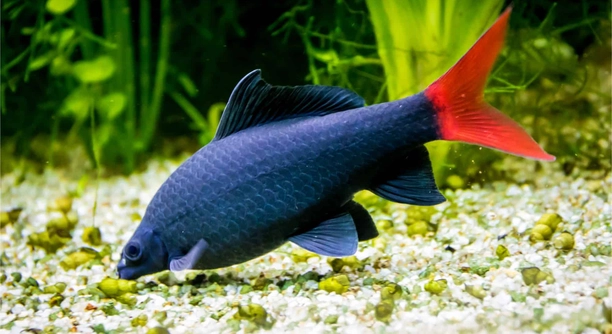
Keeping a rainbow shark in a home aquarium can be rewarding but sometimes challenging. These fish can develop territorial behavior, which affects tank harmony and the well-being of other fish. Managing this tendency is important for a peaceful environment.
Preventing excessive territorial behavior in rainbow sharks involves proper tank size, adequate hiding spots, compatible tank mates, and regular maintenance. Creating a balanced habitat reduces stress and aggression, promoting healthier interactions among fish.
Controlling territorial tendencies helps maintain a calm and stable aquarium, ensuring your rainbow shark and its tank mates thrive together over time.
Provide Adequate Space and Tank Size
Rainbow sharks need plenty of space to swim and establish territories without constant conflict. A minimum tank size of 55 gallons is recommended to reduce territorial disputes. When space is limited, these fish become stressed and aggressive toward tank mates. Larger tanks help distribute territories more evenly, lowering the chances of one fish dominating the entire area. Besides tank size, keeping the water quality high is essential to reduce stress, which often worsens aggressive behavior. Proper filtration and regular water changes create a healthier environment that supports peaceful interactions. Avoid overcrowding, as too many fish in a confined space increases competition for resources and intensifies territorial fights. Providing enough room allows rainbow sharks to maintain their natural behavior without becoming overly defensive.
Providing a spacious tank is one of the simplest ways to prevent territorial aggression. The right environment supports calmer and more balanced fish behavior overall.
Arranging the tank to maximize swimming space and minimize crowding gives rainbow sharks more freedom. This reduces tension and promotes a peaceful tank atmosphere. It also allows you to add other compatible species without constant conflict. A well-sized aquarium benefits all its inhabitants by supporting natural movement and behavior. Increasing tank size is an investment in both your fish’s well-being and your own enjoyment of a thriving, calm aquatic setup. Regular monitoring of tank conditions will keep the environment stable and reduce chances of territorial disputes over time.
Create Hiding Spots and Visual Barriers
Including plenty of hiding places helps rainbow sharks feel secure and lowers aggression. Structures such as rocks, plants, and driftwood give fish spots to retreat and reduce direct confrontations. Visual barriers prevent constant line-of-sight between fish, which can trigger territorial behavior. Hiding spots also encourage natural exploration and reduce boredom. Without these, rainbow sharks may feel exposed and more likely to defend their space aggressively. Spread decorations evenly so no single area becomes a heavily contested territory. Plants should be placed both at the bottom and mid-level to create layers within the tank. Using natural materials helps keep the environment comfortable and familiar for the fish.
Hiding places and barriers are vital tools to limit aggression and help fish coexist.
When designing the tank, aim for a mix of open swimming areas and plenty of cover. This setup satisfies the rainbow shark’s need for territory while allowing them to escape when needed. Soft plants and sturdy rocks can be arranged to create tunnels and caves that encourage safe retreat. Over time, this balance reduces stress and aggression. In addition to physical structures, variations in lighting and substrate can break up sight lines further, helping fish feel less exposed. Creating a complex environment benefits both the rainbow shark and its tank mates by supporting natural behaviors and minimizing conflicts.
Choose Compatible Tank Mates
Selecting peaceful fish that do not compete aggressively with rainbow sharks helps reduce territorial disputes. Avoid fish with similar size or shape, as they may be seen as rivals. Suitable tank mates include bottom-dwellers and schooling fish that occupy different areas of the tank.
Compatibility is key to maintaining harmony. Rainbow sharks share space better with calm species that have different swimming patterns or diets. Avoid highly aggressive or territorial fish that could escalate conflicts. Fish like tetras, danios, and certain catfish species often coexist well with rainbow sharks. By carefully choosing tank mates, you minimize competition for territory and resources, lowering stress and aggression. Keeping the tank community balanced requires understanding each species’ behavior and space needs.
Introducing new fish gradually helps rainbow sharks adjust without sudden changes. Observing interactions early on allows timely action if tensions arise. Providing varied tank zones also supports peaceful coexistence by separating species naturally.
Maintain a Consistent Feeding Schedule
Feeding rainbow sharks on a regular schedule prevents food competition and aggression. Inconsistent feeding may cause stress and territorial guarding of food areas. Providing meals twice daily at the same times creates routine and security.
A predictable feeding routine reduces anxiety and the urge to compete aggressively for food. Offering balanced portions and quality food supports health and well-being. Overfeeding can lead to water quality issues, increasing stress and territorial behavior. Feeding in multiple locations also spreads out competition and lowers conflict chances. Including a variety of foods such as sinking pellets, vegetables, and occasional live treats keeps rainbow sharks satisfied and less territorial. Consistency in feeding helps build trust and reduces the need for dominance over resources.
Observing feeding behavior regularly helps identify signs of aggression or hunger. Adjusting portions and timing ensures all fish receive enough nutrition, supporting a calm and peaceful aquarium environment.
Monitor Water Quality Regularly
Maintaining clean water reduces stress and aggression in rainbow sharks. Poor water conditions can increase territorial behavior as fish become more defensive.
Regular testing for ammonia, nitrite, nitrate, and pH levels is essential. Performing timely water changes keeps the environment healthy and stable.
Avoid Overcrowding
Overcrowding increases competition for space and resources, leading to more territorial fights. Keeping the number of fish appropriate for the tank size limits this issue.
Providing enough room and hiding spots ensures each fish can claim a comfortable area, reducing conflicts and stress.
Rearrange Tank Layout Periodically
Changing the tank’s layout disrupts established territories and helps reduce dominance by any single rainbow shark. Rearranging decorations and plants prevents long-term territorial claims.
This simple step refreshes the environment and encourages fish to explore, breaking up aggressive patterns. It also helps create new boundaries and reduces stress, promoting a more balanced community.
Use Tank Dividers When Needed
If aggression persists, tank dividers can separate rainbow sharks to avoid constant fighting. Dividers provide physical barriers that limit direct contact.
This method is effective in managing aggressive individuals while maintaining a shared tank environment.
How can I tell if my rainbow shark is being too territorial?
Territorial rainbow sharks often chase or nip other fish repeatedly. You may notice them guarding a specific area, like near decorations or feeding spots. Signs include aggressive posturing, flared fins, and constant patrolling of a section of the tank. If other fish are hiding more or avoiding certain zones, territorial behavior is likely.
What tank size is ideal to reduce territorial behavior?
A minimum of 55 gallons is recommended for a single rainbow shark to have enough space. Larger tanks allow more room for multiple fish, reducing territorial conflicts. When space is limited, aggression tends to increase, so investing in a bigger tank helps maintain peace.
Are certain fish better companions for rainbow sharks?
Yes, peaceful bottom dwellers and active schooling fish that swim in different areas of the tank usually get along well. Examples include small tetras, danios, and Corydoras catfish. Avoid fish that resemble rainbow sharks or have similar territorial habits, as they may compete aggressively.
How often should I feed my rainbow shark to prevent aggression?
Feeding twice a day on a consistent schedule works best. Regular feeding reduces stress and food guarding behavior. Spread food in different areas of the tank to avoid competition and make sure all fish have access to food.
What are some effective hiding spots to reduce territorial disputes?
Use rocks, driftwood, and live or artificial plants to create caves and tunnels. Visual barriers help fish feel secure and provide places to retreat. Layering decorations at different heights breaks the line of sight and minimizes direct confrontations.
Can rearranging the tank help with territorial behavior?
Yes, rearranging decorations and plants every few weeks disrupts established territories. This prevents any single fish from dominating an area for too long and encourages exploration, which lowers aggression.
Is overcrowding a common cause of territorial aggression?
Definitely. Too many fish in a small tank increase competition for space and resources. Keeping the number of fish appropriate for the tank size helps reduce territorial fights and stress.
What water parameters are best to keep rainbow sharks calm?
Maintain stable conditions with temperatures between 72-79°F (22-26°C), pH around 6.5-7.5, and low ammonia, nitrite, and nitrate levels. Clean water lowers stress, which in turn reduces aggressive and territorial behaviors.
When should I consider using tank dividers?
Use dividers if aggression is severe and does not improve with other methods. Dividers create physical barriers that prevent fighting while allowing fish to share the same tank space. It’s a practical solution for managing aggressive individuals.
How does water quality affect territorial behavior?
Poor water quality stresses fish, making them more defensive and aggressive. Regular water changes and filtration keep ammonia and nitrate low, helping maintain a calm environment.
Can feeding variety reduce aggression?
Offering a mix of sinking pellets, vegetables, and occasional live foods satisfies dietary needs and prevents boredom. Well-fed rainbow sharks are less likely to guard food aggressively.
How long does it take for rainbow sharks to settle their territories?
Territory establishment can take several days to weeks, depending on tank size and setup. During this time, some chasing and posturing are normal. Proper tank conditions help shorten this adjustment period.
Are male and female rainbow sharks different in territorial behavior?
Males may be slightly more territorial, especially during breeding. However, both sexes can show aggression if space or resources are limited.
What signs indicate excessive stress from territorial fights?
Look for torn fins, faded colors, constant hiding, or loss of appetite. These symptoms mean the aggression is harming the fish and requires immediate attention.
Is it better to keep one rainbow shark or several?
Keeping one reduces territorial disputes entirely. If keeping multiple, ensure a large tank with plenty of hiding spots to reduce conflict. Overcrowding should always be avoided.
This FAQ covers common concerns and practical tips for managing rainbow shark territorial behavior effectively.
Taking care of rainbow sharks requires attention to their natural behavior, especially their territorial instincts. These fish are active and sometimes aggressive, but understanding their needs helps create a peaceful tank. Providing enough space, proper tank mates, and a well-maintained environment reduces their urge to defend territory aggressively. This makes the aquarium a better place for all the fish.
It is important to focus on the tank setup. A larger tank with plenty of hiding spots allows rainbow sharks to feel secure and less stressed. This lowers the chance of them becoming too territorial. Regular water changes and good filtration keep the water clean, which also helps reduce aggressive behavior. Feeding on a consistent schedule with varied food supports their health and keeps them satisfied, which can prevent fights over food.
Managing territorial behavior in rainbow sharks is about balance. Careful selection of tank mates, avoiding overcrowding, and occasionally rearranging the tank help maintain harmony. Sometimes, temporary use of tank dividers may be necessary for very aggressive fish. By following these steps, it is possible to enjoy the beauty and activity of rainbow sharks without dealing with constant aggression or stress in the tank. Consistent care and observation make a calm and healthy environment for your aquatic pets.

Hello,
If you enjoy the content that we create, please consider saying a "Thank You!" by leaving a tip.
Every little bit helps us continue crafting quality advice that supports the health, happiness, and well-being of pets around the world, for pets of all shapes, sizes, and species.
We really appreciate the kindness and support that you show us!