
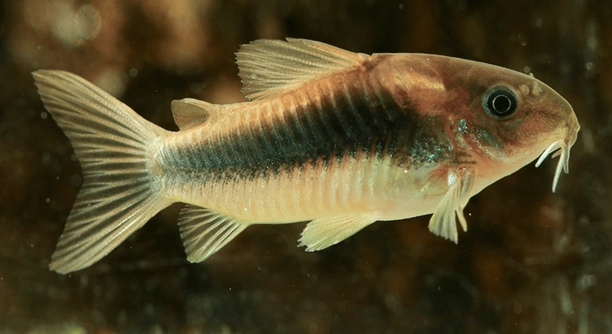
Have you ever noticed your Corydoras catfish looking a bit worn out, with frayed or damaged fins that weren’t there before?
The most effective way to prevent fin damage in Corydoras catfish is by maintaining clean water, avoiding aggressive tank mates, and providing a soft, sandy substrate. These conditions reduce stress and physical injury, promoting healthier fins overall.
Understanding these simple adjustments can help keep your Corydoras happy, active, and free from painful or lasting fin damage.
Keep the Water Clean and Stable
Corydoras thrive in clean, well-maintained water. If ammonia or nitrite levels rise, their fins can quickly show signs of wear. Regular water changes are key—aim for 25–30% every week. Make sure your tank is fully cycled before adding these fish, and always test your water using a reliable kit. Stable temperatures between 72–78°F and a pH between 6.0 and 7.5 will help them stay comfortable. Avoid sudden changes in parameters, which can stress the fish and weaken their immune system. Stress is often the first step toward fin damage, so keeping the environment stable is important. Use a good filter that suits your tank size and avoid overfeeding, which can cause waste to build up quickly. A clean tank not only prevents fin problems but also supports better overall health and longer lifespans.
Daily checks on water clarity and behavior will help you catch issues before they grow.
A healthy tank means healthy Corydoras—clean water directly affects how well their fins hold up over time.
Choose Soft Substrate Instead of Gravel
Gravel can scratch Corydoras’ delicate fins and undersides, especially as they spend most of their time near the bottom.
Switching to a soft, sandy substrate is one of the best decisions for your Corydoras. Unlike rough gravel, sand mimics their natural habitat and reduces the risk of injury during foraging. Corydoras constantly sift through the substrate with their barbels, and soft sand helps prevent those sensitive whisker-like features from becoming damaged or infected. Play sand or aquarium-safe sand works best—avoid sharp or coarse types. If you’ve been using gravel, a full substrate swap might seem like a lot of effort, but it pays off. When making the change, remove your fish temporarily and rinse the new sand thoroughly before placing it in the tank. Once everything settles, you’ll notice your Corydoras acting more relaxed and natural. Over time, this kind of environment supports healthier fins and fewer signs of wear or damage caused by abrasive materials.
Avoid Aggressive Tank Mates
Aggressive or fast-moving fish can nip at Corydoras’ fins, leading to damage that’s hard to heal in a busy tank. Choose calm, peaceful tank mates that won’t compete for food or harass them during feeding or resting times.
Fin damage often happens when Corydoras are kept with incompatible fish like barbs or certain cichlids. These species can be territorial or overly active, stressing out the calmer Corydoras. Look for tank mates like tetras, rasboras, or other gentle community fish. Corydoras prefer safety in numbers, so keeping them in groups of five or more also helps reduce stress. A calm tank environment allows them to explore freely and eat properly. If you notice fin nipping or chasing, it’s best to rehome the aggressive fish or rearrange the tank to give the Corydoras hiding spaces. Long-term exposure to stress weakens their immune system and makes healing slower.
Watch their interactions during feeding time or when lights are off. Nighttime aggression can often go unnoticed and cause damage over time. You may also want to feed in multiple spots to avoid competition. If one fish is constantly targeting your Corydoras, even small nips will lead to visible damage, which often becomes worse when left unaddressed. Peaceful surroundings lead to better recovery and stronger fins.
Add Hiding Places and Cover
Without shelter, Corydoras may feel unsafe and become more vulnerable to stress and injury. Using caves, driftwood, or plants gives them places to hide when startled, which helps prevent accidental fin injuries during fast swims.
Safe hiding spots let Corydoras rest undisturbed and reduce panic during sudden tank movements. If your tank has high lighting or a lot of open space, they’re more likely to dash into the glass or decorations when startled. That kind of impact can fray fins or scrape their sides. Add soft plants like Java fern or Anubias, along with smooth rocks and driftwood. Even a small cave or overturned pot can help them feel safe. Spread cover throughout the tank so each fish has its own space. When they feel secure, they’re more relaxed and less prone to injuries. That quiet confidence is important, especially for new fish adapting to your tank.
Keep cover accessible without overcrowding the tank. Too much decoration can limit swimming space and trap waste, affecting water quality. Try a mix of floating plants and low-ground hiding spots. This layout mimics their natural environment and gives them options to retreat when needed. Comfortable surroundings not only help reduce fin injuries but also improve their daily behavior and feeding habits.
Avoid Overcrowding the Tank
Overcrowding creates stress for Corydoras, leading to poor health and possible fin damage. Too many fish in a small space can increase aggression, reduce oxygen levels, and cause competition for food. Keep your tank properly stocked.
Corydoras need room to swim and establish territory. When overcrowded, they can’t avoid stress triggers, like fights for food or space. Excessive waste buildup can also harm water quality, making it harder to maintain healthy fins. A general rule of thumb is one inch of fish per gallon of water, but it’s better to keep fewer fish in a larger tank to allow each one enough space. A well-maintained, appropriately stocked tank will help your Corydoras thrive without risking fin damage. By giving them room, they’ll enjoy more freedom to explore and remain active without injury.
Feed Properly
A balanced diet is essential for Corydoras to maintain their health and vibrant fins. Overfeeding or feeding the wrong types of food can lead to water quality issues and malnutrition.
Corydoras are bottom feeders that enjoy sinking pellets, live foods like bloodworms, and vegetable matter. Overfeeding leads to excess waste and poor water quality, which contributes to fin damage. Stick to a feeding schedule to avoid uneaten food rotting in the tank. Don’t just feed them on the surface; sinking pellets will encourage them to forage naturally, reducing stress. Adjust portions based on the size of your tank and number of fish. A varied diet also helps keep their immune system strong, allowing them to heal faster from any minor injuries. Stick to smaller meals throughout the day, as they’re more effective than large portions all at once.
Regular Tank Maintenance
Regular cleaning is crucial for preventing conditions that lead to fin damage. Neglecting maintenance can cause water quality to drop, leading to unhealthy fish.
Perform regular water changes and vacuum the substrate to remove any debris. Clean the filter every few weeks, but be sure to leave beneficial bacteria intact. Testing the water regularly will help you stay on top of ammonia, nitrite, and nitrate levels. Maintaining water quality is just as important as feeding and stocking your tank properly. Make sure all equipment is functioning well to keep the tank environment stable. Clean tanks lead to healthier fish that are less likely to develop fin damage due to poor conditions. When the water is pristine, Corydoras can flourish and remain strong.
FAQ
What are the signs of fin damage in Corydoras?
Fin damage in Corydoras typically shows up as frayed, torn, or ragged fins. You may notice parts of the fins looking shorter or missing entirely. Over time, damaged fins may become discolored or start to show signs of infection, like redness or white edges. These fish may also swim less actively, indicating discomfort. In more severe cases, you might see the fish avoid certain areas of the tank or stay in one spot more often than usual. Keep an eye on their behavior, as early signs of damage can often be treated before they worsen.
Can Corydoras heal from fin damage?
Yes, Corydoras can heal from fin damage, but it depends on the extent of the injury and the water conditions. Minor tears or frays can heal if the tank environment is clean, stable, and free from stress. If the water quality is poor, or if the fish are stressed, healing might take longer, or the injury may worsen. To aid in recovery, avoid aggressive tank mates and make sure the water temperature and parameters are suitable for Corydoras. Proper nutrition also helps by supporting their immune system, promoting faster healing.
How do I prevent fin damage in Corydoras?
Preventing fin damage involves maintaining good water quality, selecting peaceful tank mates, and providing soft substrates. Regular water changes, a good filtration system, and proper tank maintenance can keep the water clean, preventing infection or stress. In addition, ensure there are plenty of hiding places for the Corydoras to retreat to, and avoid keeping them with aggressive species that may nip at their fins. A low-stress environment where the fish feel secure is crucial for preventing injury.
Why do Corydoras’ fins become shredded?
Shredded fins are often a result of physical injury, usually caused by either rough tank conditions or aggressive tank mates. Corydoras are peaceful bottom dwellers that can be easily injured if forced to interact with aggressive fish. They might also tear their fins on sharp objects or rough substrates, like gravel. Stress from overcrowding, improper water conditions, or a lack of hiding spaces can contribute to weakened fins, making them more prone to damage.
What should I do if my Corydoras has a torn fin?
If your Corydoras has a torn fin, the first step is to assess the water conditions. Ensure the water is clean, with no sharp objects in the tank that could cause further injury. Make sure the temperature and pH are within the recommended range for Corydoras. If the tear is minor, it may heal on its own, but if there’s any sign of infection, such as redness or white spots, you may need to treat the tank with a mild antibiotic. Remove any aggressive tank mates and consider giving the Corydoras more hiding places to reduce stress during recovery. Keeping the tank environment calm and stable will allow your Corydoras to heal faster.
How long does it take for Corydoras’ fins to heal?
The healing time for fin damage in Corydoras varies depending on the severity of the injury and the quality of the environment. Minor tears might heal within a few weeks, while more severe damage could take several months. Providing a low-stress environment with clean water and adequate nutrition can help speed up the healing process. Avoid overcrowding the tank or introducing new tank mates during this period, as additional stress can slow healing. Be patient, and keep monitoring your fish for any signs of infection or further injury.
Do Corydoras need a group to prevent stress?
Yes, Corydoras are social fish and thrive when kept in groups. Keeping them in a group of at least five or more helps reduce stress and promotes natural behavior, including foraging and swimming. In a group, Corydoras feel safer and are less likely to become targets for other fish. A single Corydoras may experience loneliness and become more stressed, leading to health problems like fin damage. A well-established group also reduces the likelihood of aggressive interactions between them, which can lead to fin nipping or injury.
Can poor water quality cause fin damage?
Poor water quality is one of the leading causes of fin damage in Corydoras. High levels of ammonia, nitrites, or nitrates, as well as fluctuations in water temperature or pH, can stress out Corydoras and weaken their immune system. When stressed, Corydoras are more susceptible to fin damage, either from physical injury or infection. Keeping the tank clean with regular water changes and proper filtration will prevent these issues and create a healthier environment for your fish. Always monitor water quality with a reliable test kit to avoid any sudden changes that could stress your Corydoras.
What is the best substrate for Corydoras to avoid fin damage?
The best substrate for Corydoras is soft sand. Corydoras are bottom dwellers that like to sift through the substrate in search of food. Rough or sharp substrates, like gravel, can cause abrasions on their delicate fins and barbels. Soft, smooth sand mimics their natural environment and allows them to move freely without risk of injury. Avoid substrates that have sharp edges or small rocks, as they can easily harm the fish. When choosing sand, make sure it is aquarium-safe and free from chemicals that could harm your fish.
Can Corydoras live with other types of fish?
Corydoras are peaceful community fish that generally do well with other non-aggressive species. Avoid pairing them with aggressive or fast-moving fish, as they may stress the Corydoras or nip at their fins. Ideal tank mates for Corydoras include other peaceful species like tetras, rasboras, and guppies. They tend to thrive best in tanks with other calm, slow-moving fish. Be mindful of tank mates that might outcompete them for food or chase them, as this can lead to stress and, eventually, fin damage.
Final Thoughts
Corydoras catfish are hardy and peaceful creatures, but they do need the right environment to thrive. Taking care of their tank, ensuring good water quality, and providing enough space to swim freely are key to preventing fin damage. These fish have delicate fins that can be easily torn if the tank conditions aren’t ideal. It’s important to make sure the water is clean, the temperature is stable, and the tank is not overcrowded. By providing these basics, you can help your Corydoras stay healthy and avoid common issues like fin damage.
Beyond maintaining the water quality, it’s also important to think about the other fish in the tank. Corydoras should be kept with peaceful, non-aggressive tank mates. Any fish that are too aggressive or have sharp fins could cause injury to your Corydoras, leading to frayed or torn fins. Even small stress factors like aggressive behavior or too many fish in the tank can make them more vulnerable to injuries. Always make sure the other fish in your tank are compatible and won’t cause harm.
In addition to caring for the tank and tank mates, paying attention to your Corydoras’ diet can go a long way in preventing fin damage. A well-balanced diet helps boost their immune system and gives them the energy to heal any minor injuries before they become more serious. Regularly checking their fins and overall health, along with keeping up with good tank maintenance, ensures that you catch any potential issues early. With the right care and environment, your Corydoras will remain healthy, active, and free from fin damage.

Hello,
If you enjoy the content that we create, please consider saying a "Thank You!" by leaving a tip.
Every little bit helps us continue crafting quality advice that supports the health, happiness, and well-being of pets around the world, for pets of all shapes, sizes, and species.
We really appreciate the kindness and support that you show us!