
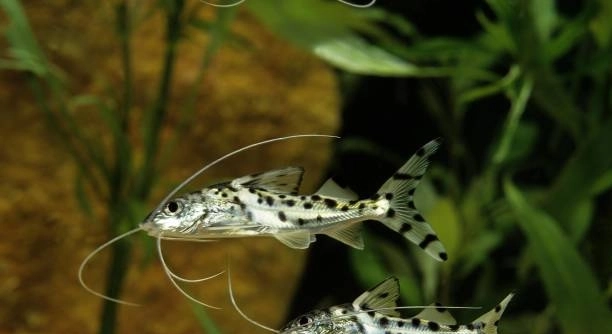
Whiskers play an important role for many animals, helping them sense their environment and stay safe. However, these delicate hairs can be easily injured if not properly cared for. Preventing whisker injuries is essential for their well-being.
Preventing whisker injuries involves gentle handling, avoiding tight collars or harnesses, maintaining a safe environment free of sharp objects, and ensuring proper grooming techniques. These steps reduce the risk of damage and promote healthy whisker growth.
Knowing how to protect whiskers can improve your pet’s comfort and safety. The following tips offer practical ways to keep whiskers healthy and prevent common injuries.
Handle Pets Gently Around Their Whiskers
Whiskers are very sensitive, so it’s important to be careful when touching or playing with pets. Rough handling or grabbing near the whiskers can cause discomfort and even injury. When grooming, avoid pulling on the whiskers or brushing them too hard. If your pet wears a collar or harness, make sure it is loose enough to avoid rubbing or pressing against their whiskers. Also, keep in mind that some animals may react negatively if their whiskers are touched too often. By being mindful of how you interact with your pet, you help protect these delicate sensory tools. Proper care during daily routines can make a big difference in preventing whisker damage and maintaining your pet’s comfort and trust.
Whisker injuries often result from accidental rough contact. Handling with care is essential.
Recognizing how whiskers affect your pet’s daily behavior helps you respect their needs better. Whiskers guide animals when navigating tight spaces and sensing nearby objects. If whiskers are damaged, pets might become confused or cautious. This can affect their confidence and willingness to explore. Gentle handling reassures pets and encourages healthy interaction. Using soft strokes and avoiding sudden movements near the face keeps your pet calm. Regular observation will help you spot signs of whisker discomfort early. This care strengthens your connection and helps your pet feel secure.
Keep the Environment Safe
Preventing whisker injuries also means making sure your pet’s environment is free from hazards. Sharp edges, narrow gaps, or cluttered spaces can easily harm whiskers when pets move around. Check areas where your pet spends time, removing or padding any sharp objects. When setting up cages or play areas, aim for smooth surfaces and wide openings. If your pet is curious about new places, watch closely so they don’t get whiskers caught in fences or furniture. A safe environment reduces stress and prevents accidental damage. Regularly inspecting the space for potential dangers helps keep whiskers intact and your pet comfortable.
A safe space supports healthy whisker maintenance.
Keeping your home or pet’s living area free from hazards requires ongoing attention. Objects like loose wires, narrow tunnels, or rough corners can cause whisker breakage or loss. Pets may not always be aware of these risks, especially when exploring. Adjusting the layout by removing sharp items or providing wider paths reduces the chance of injury. Soft bedding and smooth surfaces create a welcoming, secure space. For pets with cages, ensure the bars are spaced appropriately to avoid trapping whiskers. This thoughtful setup promotes wellbeing and encourages natural behaviors without risk. Simple changes can protect whiskers and prevent costly vet visits. Regular cleaning and maintenance support a safer environment, giving your pet peace of mind.
Use Proper Grooming Tools
Choosing the right grooming tools is key to protecting whiskers. Avoid brushes or combs with stiff bristles that can pull or damage whiskers during grooming.
Soft-bristled brushes and gentle combs help maintain your pet’s coat without harming whiskers. When brushing near the face, use light, careful strokes to avoid snagging whiskers. If trimming fur around the whiskers, use small, precise scissors and keep them away from the whisker base. Regular grooming with the proper tools prevents discomfort and potential injury. Keeping whiskers intact supports your pet’s sensory abilities and overall health.
Some pets may dislike grooming near their whiskers, so patience is important. Gradually introducing grooming tools and maintaining a calm environment reduces stress. Observing your pet’s reactions during grooming helps you adjust your approach. Using treats or gentle praise can encourage cooperation. When handled carefully, grooming becomes a positive routine that benefits both you and your pet, preserving their whiskers and keeping their coat healthy.
Monitor Whisker Health Regularly
Checking whiskers regularly helps spot any damage early. Look for broken, bent, or missing whiskers that may indicate injury.
Regular inspection allows timely intervention and care. If whiskers appear damaged, adjust handling or environment to reduce further harm. Sometimes whisker loss signals stress or illness, so consult a veterinarian if you notice unusual patterns. Keeping track of whisker condition helps maintain your pet’s comfort and safety. Healthy whiskers contribute to their daily navigation and interaction with surroundings.
Whiskers grow back slowly, so prevention is better than repair. Damaged whiskers can cause discomfort or disorientation. Maintaining a routine to check whiskers encourages attentive care. Documenting changes or injuries can be useful when discussing your pet’s health with a professional. Taking prompt action when problems arise supports recovery and prevents more serious issues. This simple habit plays a big role in your pet’s well-being.
Avoid Tight Collars and Harnesses
Tight collars or harnesses can press against whiskers, causing pain or injury. Always choose adjustable, soft materials that fit comfortably without restricting whiskers.
Check the fit regularly to ensure the collar or harness doesn’t shift and rub the whiskers. Comfort helps prevent irritation and supports your pet’s well-being.
Provide Proper Nutrition
A balanced diet supports healthy whisker growth and strength. Nutrients like proteins, vitamins, and minerals are essential for maintaining whisker quality.
Poor nutrition can lead to brittle or weak whiskers, making them more prone to breakage. Feeding your pet high-quality food ensures their whiskers stay strong and resilient.
Be Mindful of Playtime
During play, avoid rough activities that may accidentally pull or break whiskers. Use toys that don’t pose a risk to sensitive areas.
Gentle play helps maintain whisker health and keeps your pet comfortable while staying active.
FAQ
What are whiskers and why are they important?
Whiskers are long, thick hairs that grow near an animal’s nose, eyes, and other parts of the face. They are very sensitive and help pets sense their surroundings. Whiskers detect changes in air currents, allowing animals to avoid obstacles and understand space better. This sensory function is crucial for safety and navigation.
How do whisker injuries happen?
Whisker injuries often occur from rough handling, tight collars, or harsh grooming tools. Pets can also injure their whiskers by brushing against sharp objects or getting stuck in narrow spaces. Playtime that is too rough or environments filled with hazards may also cause whisker damage.
Can whiskers grow back after being damaged?
Yes, whiskers do grow back, but it takes time—often several weeks to months. During this period, pets might be less confident or cautious because whiskers are essential for sensing the environment. Preventing damage is better than relying on regrowth.
Is it harmful to cut or trim whiskers?
Cutting or trimming whiskers is generally harmful. Whiskers are not like regular fur; they are deeply rooted and connected to nerves. Removing them can cause discomfort and disorientation. It’s best to leave whiskers alone and avoid trimming near the face.
How can I tell if my pet’s whiskers are injured?
Signs of whisker injury include broken or missing whiskers, redness, swelling around the whisker area, or your pet showing signs of discomfort when touched. Behavioral changes like hesitation while moving or bumping into things may also indicate whisker problems.
What should I do if my pet’s whiskers are injured?
If you notice damage, handle your pet gently and keep the area clean to prevent infection. Avoid touching the whiskers until they heal. If the injury looks severe or your pet seems in pain, contact a veterinarian for advice and care.
Do all animals have whiskers?
Most mammals, including cats, dogs, rabbits, and ferrets, have whiskers. Whiskers vary in length and placement depending on the species but serve similar functions in sensing the environment. Even some marine animals have specialized whiskers.
Can whisker injuries cause long-term problems?
Yes, repeated or severe injuries can lead to chronic discomfort or affect an animal’s ability to navigate safely. Damaged whiskers may cause stress or anxiety. Protecting whiskers helps maintain your pet’s quality of life and confidence.
How often should I check my pet’s whiskers?
Regular checks during grooming or play are ideal. This lets you spot any changes early. Frequent observation helps catch damage before it worsens and keeps your pet comfortable.
Are there special products to protect whiskers?
There aren’t many specific products for whisker protection, but choosing soft collars, gentle grooming tools, and maintaining a safe environment naturally helps prevent damage. Avoid tight collars or rough brushes.
Can stress affect whisker health?
Stress can cause pets to groom excessively or behave in ways that damage their whiskers. Providing a calm, comfortable space and routine care helps reduce stress and supports overall health, including whisker condition.
What’s the best way to groom around whiskers?
Use soft brushes and light strokes, especially near the face. Avoid pulling or tugging whiskers. If trimming fur around whiskers is necessary, use small scissors carefully to avoid the whisker base.
Are whiskers the same as regular hair?
No, whiskers are thicker, stiffer, and have special nerve endings that make them sensitive. They serve a sensory purpose, unlike regular hair, which mainly provides insulation or protection.
Can I train my pet to tolerate whisker care?
Yes, with patience and gentle handling, pets can become more comfortable with grooming. Use calm voices, slow movements, and rewards to create a positive experience. This helps keep whiskers healthy without stress.
Taking care of whiskers is an important part of looking after your pet’s overall health and comfort. Whiskers are more than just facial hair—they help animals sense their surroundings and avoid harm. Because they are delicate and sensitive, they need gentle care and protection. Being mindful during everyday activities like grooming, handling, and play can make a big difference in preventing whisker injuries. Small changes in how you approach these tasks can keep your pet comfortable and safe.
Creating a safe environment is another key factor in protecting whiskers. This means removing or padding sharp objects and making sure collars and harnesses fit properly without pressing on whiskers. Regularly checking whiskers for any signs of damage allows you to act quickly if problems arise. If whiskers do get injured, they will take time to grow back, and during that time, pets may feel less confident. Preventing injuries helps your pet stay happy and more at ease as they move around.
Whisker care is about paying attention to the little things that add up. Using the right grooming tools, handling pets gently, and providing good nutrition all support healthy whiskers. While whiskers may seem small, they play a big role in your pet’s ability to explore and interact with the world. Taking these simple steps protects their whiskers and supports their well-being over time. This kind of care strengthens the connection between you and your pet and ensures they remain comfortable and confident in their daily life.

Hello,
If you enjoy the content that we create, please consider saying a "Thank You!" by leaving a tip.
Every little bit helps us continue crafting quality advice that supports the health, happiness, and well-being of pets around the world, for pets of all shapes, sizes, and species.
We really appreciate the kindness and support that you show us!