
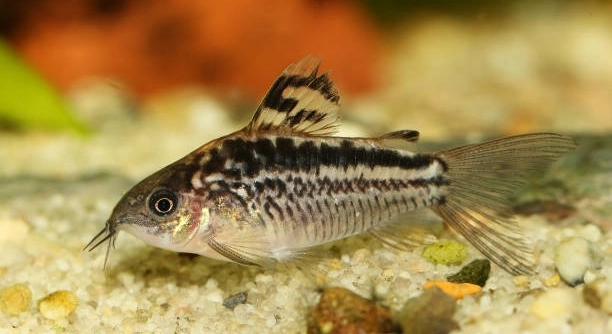
Corydoras catfish are popular aquarium fish known for their peaceful nature. They thrive in clean water, but keeping their environment stable can be a challenge. Knowing how to prevent water quality issues is key to their health.
To maintain water quality for Corydoras catfish, regular water changes, proper filtration, and avoiding overfeeding are essential. Monitoring water parameters such as temperature, pH, and ammonia levels also helps in preventing water-related problems. Ensuring a healthy tank environment is crucial.
With these tips, you can prevent common water quality issues and create a better environment for your fish.
Regular Water Changes Are Essential
One of the simplest ways to maintain water quality for Corydoras catfish is through regular water changes. Doing this every week or two helps remove harmful toxins, such as ammonia and nitrates, that can build up in the tank. These substances are dangerous to fish, and if left unchecked, they can cause stress or illness. Make sure to change about 25-30% of the water each time. Using a siphon can help you clean the substrate and remove any waste or uneaten food that has settled at the bottom. This keeps the tank cleaner and reduces the risk of water quality issues.
Changing the water frequently also keeps the pH levels stable, which is crucial for your catfish. Unstable pH can stress them out and cause health problems. It’s a good idea to test the water before and after each change to ensure the parameters are within the safe range for your fish.
Routine water changes not only maintain a clean environment but also improve the overall health of your Corydoras catfish.
Invest in Proper Filtration
A good filtration system is a key part of keeping water clean. Filters help remove debris and harmful substances, creating a better environment for your catfish. A quality filter is worth the investment.
Choosing the right filter for your tank size and the needs of your fish is essential. The filter should be able to handle the volume of water in your tank without causing too much current. Corydoras catfish prefer calm water, so avoid filters that create strong water movement. Make sure the filter is easy to clean and maintain as well, so it continues working properly over time.
Good filtration ensures that the water stays free from harmful chemicals and particles. It also helps to circulate the water, preventing areas of stagnation where toxins could accumulate. With the right filter, you reduce the frequency of water changes needed, saving you time and effort while keeping your fish safe.
Avoid Overfeeding Your Corydoras
Overfeeding can lead to water quality issues by increasing the amount of waste produced. When food is left uneaten, it decomposes, releasing ammonia and other harmful substances into the water. Stick to feeding small amounts that your fish can consume within a few minutes.
Corydoras catfish are bottom dwellers and naturally forage for food. They don’t require as much food as other species. Offer them sinking pellets or tablets specifically designed for catfish. These types of food ensure they get enough nutrients without leaving excess in the tank. It’s better to feed them in smaller, more frequent meals.
By keeping feeding times controlled, you’ll notice fewer waste problems and healthier water for your fish. Regularly clean any leftover food to keep the water fresh and clear. It’s an easy step to avoid extra ammonia buildup and ensure the long-term health of your Corydoras catfish.
Monitor Water Parameters Regularly
Regularly testing the water’s temperature, pH, and ammonia levels is essential for preventing water quality issues. You can buy test kits to monitor these levels, which will help you maintain an environment that suits your catfish’s needs.
Corydoras catfish thrive in slightly acidic to neutral water, with temperatures between 72°F and 78°F. Keeping these parameters stable reduces stress and helps prevent diseases. Check the water weekly and adjust as needed to keep it within the ideal range. If ammonia or nitrite levels rise, perform a water change and check the filter for blockages.
Monitoring water quality ensures that any changes are caught early. This proactive approach can save you from dealing with severe water issues. Keeping a close eye on these parameters helps maintain a healthy tank, which means healthier fish.
Keep the Tank Clean
A clean tank is crucial for maintaining good water quality. Regularly remove debris and vacuum the substrate to keep waste from accumulating. Use an aquarium siphon to clean out the bottom of the tank, ensuring no leftover food or waste is left behind.
Cleaning the tank helps prevent ammonia and nitrite buildup. If waste is allowed to settle, it will decompose, releasing harmful chemicals into the water. Regular cleaning also helps prevent algae growth, which can affect the tank’s overall health. Keeping the tank clean is one of the simplest ways to ensure your catfish thrive.
Use Live Plants for Natural Filtration
Adding live plants to your aquarium can naturally help filter the water and absorb excess nutrients. Plants improve oxygen levels, which benefits your catfish and reduces stress. They also help keep the tank visually appealing.
Some plants, such as Java fern or Anubias, are well-suited for Corydoras tanks. These plants can help absorb nitrates and other pollutants, acting as a natural filtration system. By promoting plant growth, you can reduce the frequency of water changes and filter maintenance. Plants also provide hiding spots for your fish, which can help them feel secure.
Avoid Using Harsh Chemicals
Many aquarium owners rely on chemicals to solve water quality problems, but these should be avoided whenever possible. Harsh chemicals can affect the health of your Corydoras catfish and harm beneficial bacteria in the filter.
Instead of relying on chemical treatments, focus on maintaining a balanced ecosystem through regular water changes, good filtration, and monitoring water parameters. If you need to address specific issues like algae or cloudy water, choose fish-safe solutions or rely on natural methods like adding live plants.
FAQ
How often should I change the water in my Corydoras tank?
Water changes should be done at least every week or every two weeks, depending on the tank size and the number of fish. A 25-30% water change is ideal. This helps remove accumulated toxins and ensures your Corydoras catfish live in a clean environment. In heavily stocked tanks, you may need to change water more frequently.
What is the ideal water temperature for Corydoras catfish?
Corydoras catfish prefer a water temperature between 72°F and 78°F. Keeping the water within this range promotes healthy fish and reduces the risk of disease. Too cold or too hot water can stress your catfish and affect their immune system, making them more susceptible to illness.
What should I feed my Corydoras catfish?
Corydoras are bottom feeders and primarily eat sinking pellets, tablets, and live or frozen foods like bloodworms or brine shrimp. They also benefit from occasional vegetable-based foods such as blanched zucchini. Make sure to feed in small amounts to avoid overfeeding and waste buildup, which can lead to poor water quality.
Can Corydoras survive in a tank with high ammonia levels?
No, Corydoras catfish cannot survive in high ammonia levels. Ammonia is toxic to fish, and even low concentrations can cause stress and damage their gills. Regular water changes, proper filtration, and maintaining good water parameters are key to preventing ammonia buildup in the tank.
Do Corydoras catfish need a filter?
Yes, Corydoras catfish need a filter to maintain clean water. A filter helps remove waste, debris, and harmful substances from the water. Be sure to choose a filter that provides gentle water flow, as Corydoras prefer calm water. A strong current can stress them out, so select an appropriate filter for their needs.
How do I know if my Corydoras catfish is stressed?
Stressed Corydoras may display certain signs like rapid swimming, staying at the surface, or hiding more than usual. They may also lose their appetite or have a darker color. Stress can be caused by poor water quality, temperature fluctuations, overcrowding, or incompatible tankmates. It’s essential to address the cause to avoid further health issues.
Can I keep Corydoras with other fish?
Yes, Corydoras are peaceful and social fish that do well with many other species. They should be kept with calm, non-aggressive tankmates. Avoid species that may harass or nip at them. Corydoras thrive best in groups, so it’s recommended to have at least three or four of them in a tank to help them feel secure.
What is the best substrate for Corydoras catfish?
Corydoras catfish prefer a soft, fine substrate, such as sand or smooth gravel. This is important because their sensitive barbels (whiskers) are used to sift through the substrate for food. Sharp, rough gravel can cause injury to their barbels, leading to infection or discomfort. Sand is the best option as it mimics their natural environment.
Are Corydoras catfish good for beginners?
Yes, Corydoras catfish are an excellent choice for beginners. They are hardy, easy to care for, and generally tolerant of a wide range of water conditions. However, it’s important to maintain stable water quality and avoid overfeeding. Their peaceful nature and small size make them ideal for community tanks.
How can I reduce algae growth in my Corydoras tank?
To reduce algae growth, make sure you don’t overfeed your fish, as excess food contributes to algae buildup. Regular water changes, proper filtration, and good tank maintenance also help. Adding live plants can compete with algae for nutrients, keeping their growth in check. A gentle cleaning routine will prevent algae from taking over the tank.
Final Thoughts
Maintaining good water quality for your Corydoras catfish is essential for their health and well-being. Regular monitoring of water parameters such as temperature, pH, and ammonia levels is crucial. Keeping the water stable ensures that your fish can thrive and reduces the risk of stress or disease. By focusing on proper feeding habits, cleaning the tank regularly, and avoiding harsh chemicals, you can create a safe environment for your Corydoras. Small changes, like using the right substrate or adding live plants, can make a big difference in the overall health of your tank.
It’s also important to be mindful of the balance in your aquarium. Overfeeding, improper filtration, and neglecting regular water changes can quickly lead to water quality issues. Corydoras catfish are relatively low-maintenance fish, but they still require attention to ensure they are living in a clean and stable environment. Having a consistent routine for tank maintenance will help prevent many common issues. Be sure to choose appropriate tankmates and keep the water conditions within their preferred range, as this will reduce stress and encourage natural behaviors.
Overall, creating a healthy aquarium for your Corydoras catfish involves simple but consistent efforts. With regular maintenance, the right setup, and a little attention to detail, you can enjoy watching your fish flourish. By following these guidelines, you’ll not only prevent water quality problems but also help your Corydoras live a long, healthy life. With these steps in place, you can confidently care for your catfish and maintain a peaceful, thriving tank.

Hello,
If you enjoy the content that we create, please consider saying a "Thank You!" by leaving a tip.
Every little bit helps us continue crafting quality advice that supports the health, happiness, and well-being of pets around the world, for pets of all shapes, sizes, and species.
We really appreciate the kindness and support that you show us!