
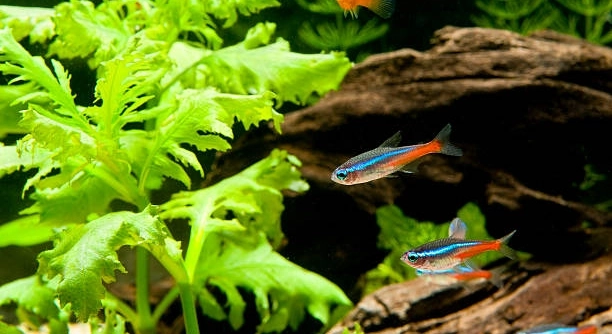
Are your tetras looking stressed, getting sick often, or suddenly dying without warning? Tank crashes can happen faster than expected. Preventing them is easier when you know the warning signs and how to manage your aquarium properly.
The most effective way to prevent a tetra tank crash is by maintaining stable water parameters. Sudden changes in temperature, pH, or ammonia levels can stress your fish, weaken their immune systems, and trigger fatal chain reactions in the tank.
Proper care, regular maintenance, and a few smart habits can keep your tetras thriving. Let’s walk through seven simple ways to keep their world safe.
Test Your Water Regularly
Regular testing is the easiest way to catch problems before they harm your tetras. Ammonia, nitrite, nitrate, pH, and temperature all need to stay within safe ranges. Even small changes can affect your fish. Testing strips or liquid kits are simple to use and give you a clear idea of what’s happening in the tank. Test at least once a week, or more often if your tank is new or recovering from an issue. Pay close attention after water changes or if your tetras are acting differently. It’s better to act early than wait for things to get worse. Good habits here can mean the difference between a thriving tank and a sudden crash. When your water stays balanced, your tetras stay calm, active, and healthy. Make sure to keep track of results in a notebook or app so you can spot patterns or repeated issues over time.
If you’re not testing weekly, it’s easy to miss warning signs. Water can look clear and still be harmful.
Even if your tank looks perfect, unstable water can turn dangerous fast. Testing often helps you fix small problems before they become big ones. It also gives you confidence that your tetras are in a safe, stable environment.
Don’t Overfeed Your Tetras
Overfeeding is a common reason tanks fail. Leftover food breaks down, raises ammonia, and clouds the water. Feed only what your tetras can eat in two minutes, once or twice a day.
Excess food can decay quickly, especially in smaller tanks. When this happens, ammonia and nitrite levels spike. These spikes can damage your fish’s gills and stress them out. Long-term exposure weakens their health and makes them more likely to get sick. Uneaten food also feeds algae and bacteria, creating even more problems. Always remove uneaten bits after feeding. It helps to stick to a schedule and measure portions. Some people even use feeding rings to keep food in one place. You can also skip a feeding day once a week to give the tank a break. It’s not about feeding less—it’s about feeding smart. When your tank stays clean and your fish are well-fed, everything runs more smoothly.
Avoid Sudden Water Changes
Changing too much water at once can shock your tetras. It’s best to replace only 20–30% weekly using dechlorinated, temperature-matched water. This keeps conditions stable and avoids stressing your fish with sudden shifts in temperature or pH.
If your tap water is very different from your tank’s conditions, even a small change can make a big impact. Tetras are sensitive to fluctuations. Sudden drops or rises in temperature or hardness may not kill them right away, but the stress can lead to illness later. Always test both the tank and tap water before making changes. Heat the new water to match the tank’s temperature and use a conditioner to remove chlorine or chloramine. If you’re battling high nitrates, do more frequent small changes instead of one large one. A stable environment is far more important than rushing to fix something quickly.
Consistency is key when it comes to maintenance. Big changes, even with good intentions, can cause more harm than good. That’s why smaller, frequent water changes work better. Tetras adjust well to minor shifts, but large swings can throw their system off balance. With a bit of planning, you’ll keep your water clean and your fish stress-free.
Quarantine New Fish Before Adding
New fish can carry parasites or bacteria without showing signs of illness. A two-week quarantine in a separate tank gives you time to observe their behavior, eating habits, and overall health before exposing your main tank to any risks.
Skipping quarantine can undo months of careful tank care. Even healthy-looking fish can bring in hidden issues that affect your tetras later. Ich, fin rot, and internal parasites are hard to spot at first but can spread fast in a community tank. A small quarantine setup with a sponge filter, heater, and hiding spot is all you need. Watch for signs like flashing, white spots, loss of appetite, or strange swimming. Treat any issues before moving them into your main tank. It’s an extra step that saves time, money, and stress in the long run. Your tetras deserve a safe, stable home—and that includes careful introductions.
Clean Your Filter Regularly
A dirty filter can slow water flow and reduce its ability to trap waste. Rinse filter media in old tank water every few weeks to remove buildup without killing helpful bacteria.
Neglecting your filter can lead to poor water quality. Avoid using tap water for cleaning, as chlorine kills beneficial bacteria.
Don’t Overstock the Tank
Too many fish produce more waste than your filter can handle. This raises ammonia and nitrate levels quickly. For tetras, stick to one inch of fish per gallon as a general guideline. Always research your tank’s true capacity before adding more.
Maintain a Stable Temperature
Tetras need consistent warmth to stay healthy. Fluctuations can stress their immune system. Use a reliable heater and thermometer to keep the tank between 74°F and 80°F. Avoid placing the tank near windows or vents where temperatures can change quickly.
FAQ
How often should I test my tetra tank water?
Testing once a week is ideal. It helps catch small issues before they become serious. If your tank is new or if your tetras show signs of stress, test more often. Always test after water changes, adding fish, or treating the tank. Use a good-quality liquid test kit or test strips to check ammonia, nitrite, nitrate, pH, and temperature. Writing down your results helps you notice patterns or sudden changes.
Can a tetra tank crash overnight?
Yes, especially if ammonia or nitrite spikes suddenly. This can happen after overfeeding, forgetting a water change, or adding too many new fish at once. When water parameters shift too quickly, tetras may become stressed, sick, or die. That’s why regular monitoring and stable routines are so important. Prevention is easier than fixing a crash.
How many tetras can I keep in a 10-gallon tank?
A 10-gallon tank can hold around 6–8 small tetras, depending on their size and the filtration. Neon tetras, for example, stay small and do well in groups. Always give them space to swim and avoid adding too many tankmates. Keep in mind that more fish means more waste, so water quality becomes harder to manage in a crowded tank.
Why is my tetra hiding all the time?
Hiding is usually a sign of stress. This can be caused by poor water quality, aggressive tankmates, sudden light changes, or too much noise. Make sure your tank has plants or decorations where they feel safe. Check water parameters and make sure the temperature is stable. Stressed tetras often lose color, stop eating, or act jumpy.
What should I do if ammonia levels spike?
If ammonia rises, do a partial water change right away—around 25–50%. Add a conditioner that detoxifies ammonia, and stop feeding for a day or two. Check your filter to make sure it’s working well, and test again the next day. Don’t add new fish until levels are safe. Spikes often mean the tank is overstocked or the filter is dirty.
Is it okay to use tap water for my tetra tank?
Yes, but always treat it with a dechlorinator first. Chlorine and chloramine in tap water are harmful to fish and beneficial bacteria. Match the temperature of new water to your tank before adding it. If your local water has high levels of minerals or other additives, consider using a mix of tap and filtered water.
Do tetras need a bubbler or air stone?
They don’t always need one, but it can help. If your filter already moves the water well, oxygen levels are probably fine. But in tanks with low flow, warm temperatures, or high bio-loads, a bubbler helps improve oxygen exchange. It also gives the tank a nice visual effect without bothering the tetras.
Why is my tetra tank cloudy?
Cloudy water can be caused by overfeeding, bacterial blooms, or gravel not being rinsed properly. In new tanks, it’s common during the cycling process. If your tank has been running for a while, test the water. Ammonia or nitrite spikes can lead to cloudy water and stressed fish. Regular cleaning and avoiding overfeeding usually help.
Can I keep different types of tetras together?
Yes, most tetras get along well if they have enough space and are kept in groups. Stick to peaceful varieties and avoid overcrowding. Make sure all species prefer similar water conditions. Watch for signs of chasing or fin-nipping, especially in smaller tanks. A well-planted tank helps reduce stress and lets each group feel secure.
What temperature is too cold for tetras?
Tetras prefer temperatures between 74°F and 80°F. Anything below 72°F can cause stress, lower their immune system, and make them more prone to illness. If the room gets cold, use a heater with a built-in thermostat. A thermometer helps you keep an eye on things. Avoid placing the tank near windows or drafts.
Final Thoughts
Keeping your tetra tank healthy doesn’t have to be hard. Most problems start when small details are overlooked, like missed water tests or feeding too much. Staying on top of basic care makes a big difference. When water stays clean and stable, your tetras have a better chance of living long, healthy lives. It helps to create a routine and stick to it. Testing water weekly, doing small water changes, and observing your fish for any changes in behavior will help you spot issues early. These small habits can prevent sudden tank crashes and give you peace of mind.
Tetras are peaceful, active fish that do best in clean, well-balanced tanks. Their needs are simple, but they rely on you to keep their environment safe. If you add new fish, always quarantine them first. If your filter looks dirty, rinse it in old tank water. If your tetras are hiding or acting off, test your water right away. Most crashes don’t happen for one reason. They usually come from a mix of small problems that slowly add up. That’s why it helps to stay consistent with tank care. The more attention you give to small things, the fewer major problems you’ll face.
Even experienced fishkeepers face challenges, but patience and observation go a long way. If something goes wrong, try not to panic. Use your test kits, make small adjustments, and give your tank time to recover. Tetras can bounce back from stress if changes are made gently. Every tank is different, so learning how yours reacts over time will help you improve your care. No tank is perfect all the time, but with a bit of effort, you can keep your tetras healthy and active. A stable tank isn’t just good for the fish—it’s also more relaxing and enjoyable to watch each day.

Hello,
If you enjoy the content that we create, please consider saying a "Thank You!" by leaving a tip.
Every little bit helps us continue crafting quality advice that supports the health, happiness, and well-being of pets around the world, for pets of all shapes, sizes, and species.
We really appreciate the kindness and support that you show us!