
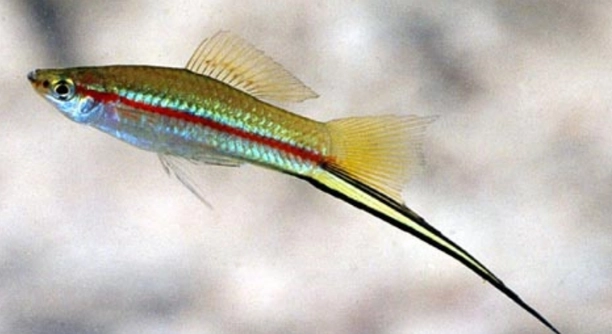
Swordtail fish are popular in many aquariums due to their vibrant colors and peaceful nature. However, like all pets, they can face health issues that need attention. Preventing swordtail illness early can help maintain their health and happiness.
To prevent swordtail illness early, maintaining a clean tank, providing a balanced diet, and avoiding overcrowding are key. Regular water testing, monitoring for stress, and controlling tank temperature also play crucial roles in keeping swordtails healthy.
Proper care and simple steps can ensure your swordtail fish thrive. Understanding common health risks and prevention techniques will help keep your aquatic friends healthy and active. Keep reading to learn more ways to support their wellbeing.
Keep the Tank Clean
A clean tank is essential for swordtail health. Fish waste, leftover food, and algae can build up, creating an environment where harmful bacteria thrive. Regular water changes, usually 25% every week, help maintain water quality and reduce toxins. Clean the tank’s filter and decorations to avoid any unwanted buildup. Pay attention to the temperature, as swordtails thrive in waters between 74°F and 79°F. If the tank is too dirty, your swordtails may experience stress, which can lead to illness. Make sure you have proper filtration, but avoid strong currents that can stress your fish.
Regular cleaning and proper filtration are the first line of defense against swordtail illness. If your tank is neglected, the water quality will decline, increasing the risk of disease.
A stable and clean environment is crucial for the wellbeing of your swordtails. It’s important to keep the water clear, and this includes removing uneaten food, checking the filter regularly, and cleaning tank decorations. In doing so, you reduce the risks of infection and stress-related illnesses, ensuring your fish stay healthy and active.
Maintain Proper Nutrition
Feeding your swordtail a well-rounded diet is key to its overall health. Provide high-quality flakes or pellets designed for livebearers, as well as occasional treats like brine shrimp or daphnia. Overfeeding can lead to water quality problems, so be mindful of portion sizes. Swordtails need a variety of nutrients, including vitamins, minerals, and protein, to stay strong and resist diseases. Avoid feeding your swordtails only one type of food, as this can lead to nutritional deficiencies. Always remove leftover food after a few minutes to prevent it from contaminating the water.
A balanced diet supports swordtail immunity and helps prevent illness.
Swordtails thrive on a variety of foods that provide essential nutrients. They benefit from protein-rich foods like brine shrimp, bloodworms, and finely chopped vegetables. Ensuring a diet that balances all their needs helps maintain a strong immune system, keeping them healthy and vibrant. Avoid feeding them too much at once, as leftover food can cause water quality problems, which could lead to stress and disease. A healthy swordtail is a happy one.
Avoid Overcrowding
Overcrowding your tank puts your swordtails at risk of stress and disease. When fish are too close together, they compete for food and space. This can weaken their immune systems, making them more vulnerable to illness. It’s important to give each fish enough room to swim freely and feel safe. Follow the recommended stocking guidelines to ensure your swordtails have enough space to thrive.
A good rule of thumb is to provide one inch of fish per gallon of water. Too many fish in a small space will increase waste levels and reduce oxygen availability, stressing your swordtails. If you have many fish, you’ll need to do more frequent water changes to keep the environment healthy. This is vital for maintaining swordtail health.
Overcrowding can also lead to aggression, which can cause injury and stress. Swordtails are generally peaceful, but when they feel cramped, they may become territorial or anxious. You may notice your swordtails hiding more than usual, indicating they are stressed. Avoid this by limiting the number of fish in the tank, ensuring everyone has their own space to swim freely.
Monitor Water Parameters
Swordtails are sensitive to changes in water quality, so regularly monitor the water’s temperature, pH, ammonia, and nitrate levels. Use a reliable water testing kit to ensure that these factors remain within healthy ranges. Swordtails thrive in slightly alkaline water with a pH between 7.0 and 8.0. They also prefer water that’s not too soft or too hard.
Testing the water frequently helps you catch any potential issues early. Ammonia and nitrite should always be at zero, as high levels can be toxic. Nitrates should be kept under 20 ppm for optimal health. A good filter will help maintain clean water, but regular water changes are necessary to keep things in check. Keep an eye on the water’s quality to avoid stress and illness.
Regular water testing should be part of your routine. Without it, you may not notice issues like an ammonia spike or a drop in pH that could stress or harm your swordtails. Stress weakens their immune systems, leading to a higher risk of illness. By staying on top of water quality, you create a healthier and safer environment for your fish.
Quarantine New Fish
When introducing new swordtails to your tank, always quarantine them first. This prevents the potential spread of diseases and parasites to your existing fish. Keep the new fish in a separate tank for at least two weeks to monitor their health before adding them to the main tank.
Quarantining new fish ensures they are healthy and reduces the chance of introducing illness into your aquarium. Even if the new fish appear healthy, they could carry hidden infections. A separate quarantine tank helps prevent any outbreaks that could affect the whole tank. It’s an important step for swordtail care.
A quarantine period helps catch any early signs of illness, such as changes in behavior or appearance. If you notice any issues, you can treat the new fish before they infect your main tank. This process may take extra time but is worth it to avoid problems later.
Manage Stress Levels
Swordtails are sensitive to stress, which can lead to illness. Keep your tank environment stable by maintaining consistent water temperature and quality. Avoid loud noises, sudden movements, or aggressive tankmates, as these can stress your fish. Stress weakens their immune systems, making them more susceptible to disease.
Creating a peaceful environment is essential for swordtail health. If you notice any signs of stress, such as hiding or erratic swimming, it’s important to address the problem quickly. Stress factors like overcrowding or sudden water changes should be minimized. Providing a calm, consistent environment will help swordtails stay healthy.
Swordtails need a stable, stress-free environment to thrive. Ensuring proper tank conditions, avoiding aggressive fish, and not overcrowding are key to reducing stress. This simple step can help your swordtails avoid illness and live longer, healthier lives. Regular monitoring and adjustments will help maintain their wellbeing.
Keep an Eye on Behavior
Monitor your swordtails for any signs of illness, such as lethargy, loss of appetite, or abnormal swimming patterns. Early detection of any changes in behavior can help you address issues before they become serious. A swordtail that’s acting strangely may be stressed or starting to develop health problems.
Behavioral changes are often the first indication that something’s wrong with your swordtails. If you spot issues early, it’s easier to treat them before they spread. Keep track of your fish’s daily routines, including eating habits and activity levels, to catch any irregularities.
FAQ
What are the most common diseases swordtails face?
Swordtails are prone to several common fish diseases, such as ich, fin rot, and dropsy. Ich is a parasitic infection that causes white spots on the fish’s body and fins. Fin rot is usually caused by poor water quality and results in frayed fins. Dropsy is a condition where the fish’s body swells due to internal infection or organ failure. Regular monitoring, clean water, and a balanced diet can help prevent these issues.
How do I know if my swordtail is stressed?
Stress in swordtails can be caused by factors like poor water quality, overcrowding, or aggressive tankmates. Common signs of stress include hiding, loss of appetite, erratic swimming, or gasping at the surface. Stress weakens their immune system, making them more susceptible to illness. Maintaining stable tank conditions and avoiding drastic changes in the environment can help minimize stress.
Why is my swordtail’s color fading?
Fading color in swordtails can be a sign of stress or illness. Poor water quality, stress, or a lack of proper nutrition may cause the fish to lose its vibrant color. Ensure that the water parameters are within the ideal range and provide a balanced diet to help maintain the swordtail’s natural coloration. Also, consider reducing stress by keeping tankmates compatible and avoiding overcrowding.
How often should I feed my swordtail?
Swordtails should be fed small amounts of food 2-3 times a day. Overfeeding can lead to water quality problems, so only give them what they can consume in a few minutes. A varied diet that includes high-quality flakes, pellets, and occasional live food like brine shrimp or daphnia is essential for their health. Always remove any uneaten food to prevent it from polluting the tank.
Can swordtails live with other fish?
Swordtails are peaceful and generally do well in community tanks. They can live with other non-aggressive species, such as guppies, tetras, and mollies. However, they may become stressed in tanks with overly aggressive fish. Make sure to choose tankmates that have similar water and temperature requirements, and avoid species that might bully your swordtails.
What should the water temperature be for swordtails?
Swordtails thrive in water temperatures between 74°F and 79°F (23°C to 26°C). Temperature fluctuations outside this range can stress them and make them more prone to disease. Invest in a reliable aquarium heater to maintain a consistent temperature, especially in colder climates. A thermometer will also help you monitor the water temperature regularly.
How can I tell if my swordtail is pregnant?
Female swordtails are livebearers, meaning they give birth to live young. When a female is pregnant, her abdomen will appear swollen and may develop a dark spot near the anal fin, called a gravid spot. The spot darkens as she gets closer to giving birth. If you’re planning to breed them, ensure you have a separate tank to raise the fry and protect them from being eaten by adult fish.
How do I prevent my swordtail from getting fin rot?
Fin rot is usually caused by poor water conditions or injury. To prevent it, maintain clean water by performing regular water changes and using a good filter. Ensure the water temperature and pH are within the ideal range for swordtails. If you notice any damage to the fins, treat the affected fish with an appropriate antibiotic or antifungal treatment.
Why is my swordtail swimming upside down?
If your swordtail is swimming upside down, it may have a condition called swim bladder disease, which affects the fish’s buoyancy. This can be caused by constipation, overfeeding, or an injury to the swim bladder. To treat this, you can try fasting the fish for a couple of days, offering a pea to relieve constipation, or adjusting the tank’s temperature if it’s too cold. If the problem persists, consult a vet for further advice.
How can I prevent swordtail illness in the future?
Preventing swordtail illness involves maintaining a clean tank, providing a balanced diet, and ensuring good water quality. Regular water changes, proper filtration, and monitoring water parameters will reduce the risk of diseases. Quarantine new fish before adding them to your main tank, and be mindful of stress factors like overcrowding or aggressive tankmates. Regularly check for early signs of illness to address any issues before they become severe.
What size tank is best for swordtails?
Swordtails need at least a 20-gallon tank, with more space for each additional fish. A larger tank allows for better water quality, easier maintenance, and more space for your fish to swim. It also helps reduce stress, which is crucial for swordtail health. Providing plenty of swimming room will make your swordtails feel more comfortable and promote better health.
How can I tell if my swordtail is sick?
A sick swordtail may exhibit several signs, such as lethargy, faded color, loss of appetite, or abnormal swimming patterns. You might also notice physical symptoms like sores, lesions, or swollen areas. If you observe any of these signs, it’s important to isolate the affected fish and assess the water quality. Early detection and proper treatment are key to keeping your swordtail healthy.
What should I do if my swordtail has ich?
Ich is a common parasitic infection that presents as small white spots on the fish’s skin and fins. To treat ich, raise the water temperature slightly (to about 80°F or 27°C) to speed up the life cycle of the parasite, and use a medication designed specifically for ich. Make sure to follow the instructions carefully and continue treatment for the full recommended period to ensure the parasite is completely eradicated.
Can I breed swordtails in a community tank?
Breeding swordtails in a community tank is possible but can be challenging. Female swordtails may give birth to fry that can be eaten by other fish in the tank. If you’re serious about breeding, consider setting up a separate breeding tank or providing hiding spots for the fry to protect them from other fish. Adding a few plants or mesh dividers can also help keep the fry safe.
Final Thoughts
Taking care of swordtails requires attention to detail, but it doesn’t need to be overwhelming. By maintaining clean water, providing a balanced diet, and avoiding overcrowding, you can prevent many common health problems. Swordtails are resilient and relatively easy to care for when their basic needs are met. Regularly testing the water quality, keeping the tank at the right temperature, and managing stress levels will go a long way in ensuring your fish stay healthy. A little extra effort in these areas can help you avoid costly treatments and keep your swordtails thriving for years.
Paying attention to their behavior is equally important. If your swordtail shows signs of illness, early detection is key to preventing the problem from worsening. Small changes in behavior, such as decreased appetite, unusual swimming patterns, or fading color, should not be ignored. Taking quick action when you notice these symptoms can prevent disease from spreading to other fish. It’s always better to address issues early and avoid the stress of trying to treat a full-blown illness. Regular observation of your swordtails will help you spot these signs and allow for timely intervention.
Overall, swordtails are hardy fish that can live long, healthy lives with the right care. By following a few simple guidelines and keeping their tank environment stable, you will create the best conditions for them to flourish. Maintaining a stress-free, clean environment with a balanced diet and routine monitoring will give your swordtails the best chance for health and happiness. Whether you’re new to fishkeeping or have been caring for swordtails for a while, staying consistent with their care will ensure they remain vibrant and full of life.

Hello,
If you enjoy the content that we create, please consider saying a "Thank You!" by leaving a tip.
Every little bit helps us continue crafting quality advice that supports the health, happiness, and well-being of pets around the world, for pets of all shapes, sizes, and species.
We really appreciate the kindness and support that you show us!