
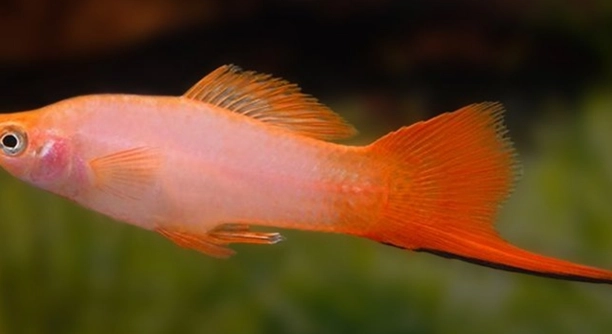
Have you ever noticed a fuzzy white patch on your swordtail fish and worried it might be something serious? Fungal infections can develop quickly and harm your fish if not treated and prevented properly.
Preventing swordtail fungal infections involves maintaining clean water conditions, reducing stress, and avoiding injuries. Consistent tank maintenance, proper diet, and isolation of sick fish are essential to keeping your swordtails healthy and infection-free.
Recognizing the early signs and following simple care tips can help protect your swordtails and support their overall health in the tank.
Keep the Water Clean and Stable
Clean, stable water is one of the most important ways to prevent fungal infections in swordtails. Dirty water increases stress and weakens their immune system, making them more vulnerable to infections. Perform partial water changes of 25–30% each week and monitor ammonia, nitrite, and nitrate levels. Use a water conditioner to neutralize harmful chemicals and ensure your filter is running properly. Avoid overcrowding the tank, which can quickly lead to poor water quality. Consistent tank maintenance is key to keeping swordtails healthy. Also, keep the water temperature between 72–82°F and avoid sudden changes, as fluctuations can shock your fish.
Stable water conditions make it easier for swordtails to thrive and resist common infections like fungus. Clean water reduces stress and supports their natural defenses, helping them stay active and healthy.
Test the water weekly, use a gravel vacuum during water changes, and don’t skip filter maintenance. Small steps go a long way.
Minimize Stress in the Tank
Swordtails under constant stress are more likely to get fungal infections. Stress weakens their immune system and makes it harder for them to recover from minor injuries or illness.
To reduce stress, avoid housing aggressive tank mates with your swordtails. Sudden movements, loud noises, and rapid water changes can also add to their discomfort. Provide plenty of hiding spots using live plants, caves, or decorations. These give your swordtails places to rest and feel secure. Limit handling unless absolutely necessary, and always turn off the tank light at night to give them a break. Feeding them a balanced diet at regular times also helps maintain a predictable routine. If you notice signs of stress—like clamped fins, hiding, or color fading—adjust their environment accordingly. Swordtails thrive in peaceful settings where they can swim freely without competition or tension. A calm tank means better health and less chance of infections appearing.
Quarantine New Fish
New fish can carry fungal spores without showing symptoms. Always quarantine them for at least two weeks before adding them to your main tank. This gives you time to observe their behavior and treat any signs of infection early.
Set up a separate tank with a filter, heater, and hiding places. Monitor the new fish daily for white patches, abnormal swimming, or lack of appetite. If anything seems off, treat it before moving the fish. Avoid sharing nets or decorations between tanks. Cross-contamination can spread infections even without direct contact. Quarantining also helps reduce stress for existing fish by avoiding sudden disruptions to their environment. It may seem like an extra step, but it’s an important one. A short quarantine can prevent long-term problems and protect the overall health of your swordtails.
Stick to the full two-week quarantine period, even if the fish seem healthy. It’s better to be cautious than risk an outbreak.
Avoid Overfeeding and Clean Leftover Food
Overfeeding creates waste, which lowers water quality and supports fungal growth. Swordtails only need small amounts of food once or twice a day. Uneaten food sinks quickly and decays, especially in warm water, leading to poor conditions.
Feed your swordtails only what they can eat in about two minutes. After feeding, check the bottom of the tank for leftover food and remove it with a net or siphon. Rotting food releases harmful substances that can irritate your fish’s skin and gills, making them more likely to get fungal infections. Use high-quality pellets or flakes designed for tropical fish to support their immunity. Avoid feeding too many treats like bloodworms or brine shrimp, which can be rich and harder to digest. Maintaining a clean feeding routine helps reduce stress and supports long-term health. Consistent habits around feeding can make a big difference in keeping the water clean and your swordtails safe.
Feeding small portions and cleaning the tank right after mealtime help prevent water pollution. This simple habit also makes tank maintenance easier.
Treat Injuries Promptly
Small injuries can quickly turn into fungal infections if not treated. Watch for torn fins, scrapes, or changes in behavior. Isolate injured fish in a clean tank and use aquarium salt or antifungal treatments if needed.
Avoid sharp decorations and overcrowding to reduce the chance of injuries. Gentle tank mates also help.
Maintain Proper Tank Temperature
Keep the water temperature between 72–82°F for swordtails. Temperatures outside this range can weaken their immune system and increase infection risk. Use a reliable heater and thermometer to maintain consistency. Sudden drops or spikes can be stressful and harmful.
Use Antifungal Treatments When Necessary
If your swordtail shows early signs of a fungal infection—like white, cotton-like patches—start treatment immediately. Use an antifungal medication made for freshwater fish and follow the dosing instructions carefully. Remove activated carbon from the filter during treatment, as it can absorb the medication. Keep the tank well-aerated to support your fish’s breathing. Monitor their condition daily. Improvement should be visible in a few days. If symptoms worsen, check water quality again and make adjustments as needed. Always complete the full course of treatment, even if the fish seems better before it ends.
Disinfect Equipment Regularly
Nets, siphons, and cleaning tools can carry fungal spores from one tank to another. Rinse and disinfect them after every use. Keep separate tools for each tank to reduce the spread of infections.
FAQ
How can I tell if my swordtail has a fungal infection?
Early signs include white or gray patches that look like cotton, often around the mouth, fins, or body. You may also notice your fish becoming less active, hiding more often, or avoiding food. If left untreated, the patches can grow larger and become more noticeable. Swordtails with fungal infections may also have frayed fins, slower movement, or start rubbing against objects in the tank. These changes can develop gradually, so it’s important to observe your fish daily for anything unusual.
Can fungal infections spread to other fish in the tank?
Yes, fungal infections can spread if the conditions allow. Poor water quality, overcrowding, or injured fish make it easier for the fungus to infect others. Even if only one fish shows visible symptoms, others may be affected if no action is taken. Isolating the sick fish and treating the main tank can help prevent the infection from spreading. Also, make sure to disinfect nets and equipment to avoid carrying spores between tanks or sections of the tank.
What causes fungal infections in swordtails?
Most fungal infections come from stress, injury, or dirty water. When a fish is injured or stressed, its immune system weakens. Fungus takes advantage of this and starts to grow on the damaged tissue. Poor tank hygiene, sudden temperature drops, or fighting between tank mates can all increase the risk. Using old or contaminated tools without cleaning them can also bring spores into the tank. Clean water and a low-stress environment go a long way in preventing infections.
Are all white patches on my swordtail fungal?
Not always. White patches can also be caused by bacterial infections, parasites, or even physical injuries. It’s important to look at the texture and location. Fungal infections usually have a fluffy or cotton-like appearance. Bacterial issues are often smoother and may come with redness or swelling. If you’re not sure, treating with a broad-spectrum medication or consulting a fish expert can help you decide what to do. Misdiagnosing can lead to ineffective treatment and more problems.
How long does treatment take to work?
You should start to see improvement within three to five days if the treatment is working. The patches may shrink, and your swordtail might become more active again. It’s important to complete the entire course of treatment, even if your fish looks better early on. Stopping too soon can allow the infection to come back. During treatment, monitor the water parameters and keep the tank clean to support healing. Consistent care makes a big difference.
Do I need to treat the whole tank or just the sick fish?
If only one fish is showing symptoms, you can isolate and treat that fish in a separate tank. However, if multiple fish are affected or the tank conditions are poor, it’s better to treat the entire tank. Some fungal spores may remain in the water or on surfaces even if they’re not visible. A full-tank treatment ensures the fungus doesn’t return or infect others. Remove activated carbon before using medication, as it can reduce the treatment’s strength.
Is aquarium salt helpful for fungal infections?
Yes, aquarium salt can help with mild fungal infections and also reduce stress. It promotes healing by improving gill function and reducing the chance of secondary infections. Use the right dosage and dissolve the salt fully before adding it to the tank. Avoid using table salt or marine salt, as they can harm freshwater fish. Always check if your tank’s other fish and plants can tolerate salt before using it.
How can I prevent fungal infections long-term?
Stick to a regular cleaning schedule, feed balanced meals, avoid overcrowding, and watch for signs of stress or injury. Quarantine new fish before introducing them to the main tank, and always disinfect tools. Keeping your swordtails in a calm, clean, and stable environment is the most effective way to prevent fungal infections from happening in the first place. Prevention is always easier and less stressful than treatment.
Final Thoughts
Preventing fungal infections in swordtails is mostly about keeping their environment safe, clean, and stable. Healthy water conditions reduce the risk of stress and injury, which are two major factors that make fish more likely to develop infections. Regular water changes, proper filtration, and testing for ammonia, nitrite, and nitrate levels can help maintain a balanced tank. When fish live in clean water and are not overcrowded, their immune systems stay stronger, making them more capable of fighting off harmful fungi before it becomes a problem.
Swordtails are hardy fish, but they still need careful attention. Even small changes in water temperature, pH levels, or tank mates can create stress, which opens the door for illness. It’s also important to observe your fish every day for any changes in behavior, appetite, or appearance. Spotting problems early makes treatment easier and more effective. Simple habits like rinsing new plants, quarantining new fish, and cleaning equipment before and after use can make a big difference. Adding aquarium salt or natural remedies may help in mild cases, but serious infections should be treated with medication.
Staying consistent with tank care is one of the best ways to protect your swordtails. Avoid skipping cleanings or overfeeding, as uneaten food and waste can pollute the water and lead to poor conditions. Make sure the tank has enough space for all the fish, and provide hiding spots to reduce stress. If one fish gets sick, respond quickly and separate it if needed. By acting early and keeping the tank stable, you can avoid most fungal infections and help your swordtails live healthier, longer lives. Small steps taken regularly are more effective than waiting until a problem appears.

Hello,
If you enjoy the content that we create, please consider saying a "Thank You!" by leaving a tip.
Every little bit helps us continue crafting quality advice that supports the health, happiness, and well-being of pets around the world, for pets of all shapes, sizes, and species.
We really appreciate the kindness and support that you show us!