
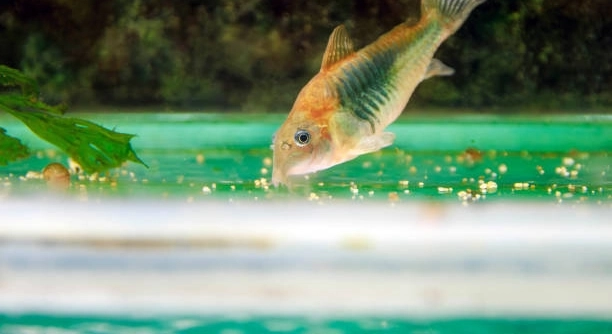
Corydoras catfish are known for their peaceful nature, but they can experience stress during water changes. Understanding how to minimize this stress is crucial for maintaining their well-being in a tank environment.
The key to preventing stress during water changes is by maintaining stable water conditions, handling your catfish gently, and ensuring a gradual transition between old and new water. These steps reduce shock and help keep your fish calm.
By following these tips, you’ll be able to protect your catfish from unnecessary stress and create a healthier, more stable environment for them.
Maintain Stable Water Conditions
Maintaining stable water conditions is essential for keeping your Corydoras catfish stress-free during water changes. These fish are sensitive to rapid shifts in water parameters like temperature, pH, and hardness. Even small fluctuations can cause distress and harm. It’s important to ensure that the new water you’re adding closely matches the current tank conditions. A water conditioner can help neutralize chlorine and other harmful chemicals, creating a safe environment.
Before starting the water change, check the temperature of the water in the tank and compare it to the water you’re adding. Both should be nearly identical. You can use a thermometer to ensure accuracy. If the water temperature difference is too large, it may shock the fish, leading to stress.
To avoid this, always use water from a trusted source that meets the tank’s parameters. The less change the fish experience, the less stressed they will be. Gradual, smaller water changes also minimize sudden shifts in water quality, keeping your Corydoras happier.
Handle Your Corydoras Gently
Handling your Corydoras gently is an important step in preventing stress during water changes. These catfish are delicate and easily disturbed, so try to avoid touching or disturbing them as much as possible.
When you’re doing a water change, use soft equipment like a siphon or small net to remove water or clean the tank. Abrupt movements or rough handling can startle them and trigger stress responses. If you do need to move them, gently guide them with your hand or net to avoid any panic.
Even though they may be small, these fish can be surprisingly resilient. The more you handle them carefully, the better they’ll adapt to water changes without unnecessary stress.
Use a Siphon Instead of a Net
Using a siphon instead of a net can help reduce stress in your Corydoras catfish. Nets can trap the fish or cause sudden movements, which may startle them. A siphon allows you to remove water gradually, without disturbing the fish.
By using a siphon, you can ensure a smoother transition for the fish. The water is drawn out gently, and there’s less chance of hitting or moving the catfish unexpectedly. This is particularly important since Corydoras are bottom dwellers and may be resting or scavenging when you do a water change. The siphon keeps them undisturbed, reducing unnecessary stress.
When using the siphon, take care not to create too much current in the water. Corydoras are not strong swimmers, and a strong water flow can make them anxious. Keep the flow steady and gentle for a calm environment during the change.
Perform Smaller, Frequent Water Changes
Frequent, smaller water changes can be less stressful for Corydoras catfish compared to larger, less frequent changes. Smaller changes help avoid drastic shifts in water parameters and ensure the fish stay comfortable.
Changing 10-20% of the water every week is often a better approach than changing 50% at once. This steady process helps maintain water quality without overwhelming the fish. It also reduces the risk of ammonia spikes, which can stress the fish. When you change water frequently, you give the tank a chance to adjust naturally.
Corydoras thrive in stable conditions. Smaller changes help maintain a balance in the tank, preventing too much change at once. This is especially important if your tank is heavily stocked or has delicate water chemistry. Smaller, regular changes are an easy way to promote long-term health for your fish.
Use a Tank Cover
Using a tank cover during water changes can help reduce stress for your Corydoras catfish. It keeps them safe from sudden splashes or water changes that might surprise them. Plus, it helps maintain stable water levels.
A tank cover creates a sense of security for your fish, especially if you’re working around the tank. Corydoras may not be used to rapid changes in their environment, and a cover can prevent water from splashing out and disturbing them. It’s a simple way to make the water change process less jarring for your catfish.
Minimize Water Flow Disruptions
Avoid disturbing the filter or creating excessive water flow while changing the water. Corydoras are sensitive to strong currents, so it’s important to keep the flow as minimal as possible during the process.
Strong currents can stress out your catfish, causing them to expend energy just to stay in place. If possible, adjust the filter temporarily to prevent any sudden increase in water movement. Reducing the flow helps maintain calm in the tank, letting your Corydoras adjust better during the change.
FAQ
How often should I change the water in my Corydoras tank?
It’s best to change 10-20% of the water in your Corydoras tank every week. Regular, smaller water changes are less stressful for the fish than larger changes. If you change more than 25% of the water at once, it can shock the fish and disrupt the tank’s stability. Smaller changes help maintain water quality while keeping your Corydoras comfortable.
Can Corydoras tolerate higher water temperatures during water changes?
Corydoras are sensitive to temperature changes, so it’s important to match the new water temperature to that of the tank. A sudden change in temperature can cause stress or even harm. Ideally, the temperature difference should not exceed 2-3°F. Always use a thermometer to ensure both the old and new water are close in temperature.
How can I prevent my Corydoras from getting stressed during water changes?
To reduce stress, avoid sudden movements or rough handling. Use a siphon to remove water instead of a net, and keep water flow steady. Maintaining stable water parameters, such as temperature and pH, can also help keep them calm. Handling them gently and ensuring gradual water changes will also help prevent stress.
Is it okay to use tap water for Corydoras during water changes?
Tap water is generally safe for Corydoras, but it may contain chlorine or chloramine, which are harmful to fish. Always treat tap water with a water conditioner to neutralize these chemicals before adding it to the tank. Additionally, check the pH and hardness of your tap water to ensure it matches the tank’s conditions.
What should I do if my Corydoras look stressed during a water change?
If your Corydoras appear stressed, stop the water change and check the water parameters immediately. Ensure the temperature, pH, and hardness are within the right range. If necessary, use a water conditioner to remove harmful chemicals or adjust the water parameters. Allow the tank to settle and avoid handling the fish more than necessary.
Can I use a gravel vacuum during water changes?
Yes, a gravel vacuum can help clean the substrate and remove debris during water changes. However, be gentle when using it around your Corydoras, as sudden movements may startle them. Avoid stirring up too much debris or creating strong currents that could cause stress.
Should I feed my Corydoras before or after a water change?
It’s best to feed your Corydoras after the water change. If you feed them before, they might be more stressed during the change, especially if the water parameters shift. Afterward, they’ll be more comfortable and less likely to be disturbed by the change in water conditions.
How can I tell if my Corydoras are stressed during a water change?
Stressed Corydoras may exhibit behaviors like hiding, rapid gill movements, erratic swimming, or staying at the bottom of the tank. They may also stop eating or become more lethargic. If you notice these signs, pause the water change and check the tank conditions.
Can I change the water in my Corydoras tank if the filter is running?
Yes, you can change the water while the filter is running. However, be cautious not to disrupt the filter or create strong water currents. Try to keep the filter’s intake and outflow steady to avoid stressing your Corydoras. If needed, temporarily adjust the filter to reduce water movement.
What type of water conditioner is best for Corydoras?
A good water conditioner for Corydoras will neutralize chlorine and chloramine, remove heavy metals, and promote a healthy environment. Look for a product specifically designed to treat tap water for fish tanks. These conditioners ensure that the water is safe and free from harmful chemicals before it’s added to the tank.
Do Corydoras need special care during water changes compared to other fish?
Corydoras require similar care during water changes as other fish but are particularly sensitive to temperature fluctuations and water quality. Since they’re bottom dwellers, they may be more affected by changes in water conditions. Gentle handling, stable water temperatures, and maintaining clean substrate are key to keeping them stress-free.
Can I perform a partial water change with Corydoras in the tank?
Yes, Corydoras can stay in the tank during a partial water change, as long as you’re careful not to disturb them too much. Slow and steady changes are best, as sudden movements or loud noises can cause stress. Avoid strong water currents and sudden shifts in temperature.
What if I accidentally change too much water?
If you accidentally change too much water and notice signs of stress in your Corydoras, check the water parameters immediately. Make sure the temperature and pH levels are stable. If they aren’t, gradually add conditioned water that matches the tank’s conditions to avoid shocking the fish.
How can I keep my Corydoras tank clean without stressing them?
Regular water changes and a good filtration system help keep the tank clean without stressing your Corydoras. Avoid overfeeding, as uneaten food can contribute to poor water quality. Use a gentle gravel vacuum to remove debris, and be mindful of water parameters during the cleaning process.
Can I add new fish to my Corydoras tank after a water change?
It’s best to wait a little while after a water change before adding new fish to the tank. This allows the water conditions to stabilize. When adding new fish, be sure to acclimate them properly to avoid causing stress to both the new and existing fish.
Final Thoughts
Taking care of Corydoras catfish during water changes is an important step in maintaining their health and comfort. These small fish are sensitive to changes in their environment, and making sure the water conditions stay stable is key to keeping them stress-free. A gradual approach with regular, smaller water changes ensures the tank remains clean without overwhelming the fish. It’s always best to make sure the water you add matches the temperature, pH, and hardness of the water already in the tank, as sudden shifts can cause unnecessary stress.
Handling your Corydoras gently and avoiding strong water currents can also make a big difference. Since they are bottom dwellers, Corydoras are more likely to be disturbed by large or sudden changes, so being mindful of their environment is crucial. Using a siphon instead of a net to remove water helps minimize movement, and keeping the flow steady and gentle helps avoid putting extra strain on them. Small adjustments like these can create a much calmer environment during water changes and help keep your catfish healthy and happy.
Overall, the goal is to reduce the amount of stress Corydoras experience during water changes. By following the tips outlined, you can ensure that your catfish are well taken care of and that their environment stays stable. Regular maintenance, along with mindful handling, is essential in providing a safe and healthy habitat for these peaceful fish. When you prioritize their comfort and take steps to minimize disturbances, your Corydoras will thrive in the long run, making for a more enjoyable aquarium experience.

Hello,
If you enjoy the content that we create, please consider saying a "Thank You!" by leaving a tip.
Every little bit helps us continue crafting quality advice that supports the health, happiness, and well-being of pets around the world, for pets of all shapes, sizes, and species.
We really appreciate the kindness and support that you show us!