
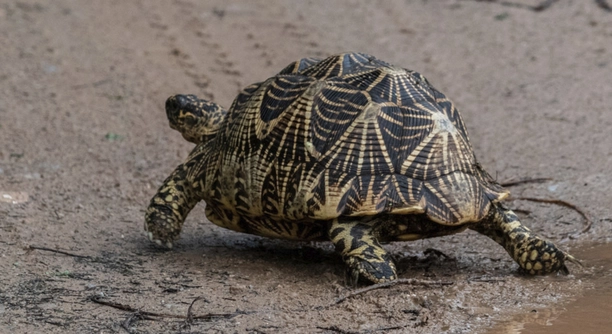
A star tortoise’s habitat can sometimes develop unpleasant odors that are difficult to manage. These smells can be caused by various factors that can affect the comfort and health of your pet.
To prevent odors in a star tortoise’s habitat, regular cleaning and proper maintenance are essential. Ensure the enclosure is well-ventilated, the substrate is changed regularly, and food and water are fresh. These simple practices can significantly reduce unwanted smells.
By keeping your tortoise’s space clean and organized, you can create a healthier environment for them. These steps will not only keep odors at bay but also improve your pet’s overall well-being.
Maintain a Clean Habitat
One of the most important things you can do to prevent odors in your star tortoise’s habitat is to keep it clean. Cleaning the enclosure should be done regularly to avoid the buildup of waste or mold, both of which contribute to unpleasant smells. Remove uneaten food, waste, and bedding daily. Spot clean any soiled areas in the substrate immediately. Depending on the type of bedding used, you may need to replace it entirely every couple of weeks. Clean food and water bowls daily to prevent bacteria from growing and causing bad odors. These small but essential steps will make a big difference in controlling smells and maintaining a healthy space for your tortoise.
Proper cleaning doesn’t just remove odors; it also promotes your tortoise’s health. Cleaning prevents the buildup of harmful bacteria and fungi, which can lead to infections or other health problems. It’s vital to stay on top of it to avoid unnecessary complications.
Regular cleaning is the foundation of a fresh, odor-free habitat. By staying consistent with this routine, you’re ensuring that your tortoise has a clean and safe environment to thrive in. This also reduces the risk of smells getting out of hand and affecting the entire room. If you’re diligent with daily cleaning, your tortoise’s habitat will remain pleasant for both you and your pet.
Choose the Right Substrate
Selecting the right substrate can also help with odor control. Some materials, like cypress mulch or aspen shavings, are better at absorbing moisture and preventing smells than others. Avoid using substrates like sand or soil that retain moisture and can become a breeding ground for bacteria. Good-quality substrates are not only safer but can also reduce the need for frequent cleaning.
The right substrate helps maintain cleanliness and absorbs moisture that could otherwise lead to smells. Be sure to replace the bedding on a regular basis to prevent any build-up. This small step goes a long way in managing odors.
Substrate plays a key role in odor control. When choosing the best material, look for options that are natural and absorbent. These materials help manage the humidity levels and reduce the chance of waste creating strong smells. A proper layer of bedding will not only keep the habitat smelling fresh but will also contribute to the comfort and well-being of your tortoise.
Provide Proper Ventilation
Proper ventilation is crucial in preventing odors from building up. Without it, the humidity levels in the enclosure can rise, creating an ideal environment for mold and bacteria to thrive. Make sure the enclosure has enough airflow, either through vents or by positioning it in a well-ventilated area. A slight breeze helps keep the air fresh and prevents the accumulation of moisture.
A well-ventilated habitat keeps the environment dry, reducing the chances of smell-causing bacteria growing. It’s essential to check the enclosure regularly for any areas where air might be stagnant or where moisture is trapped. You can also consider installing a small fan near the habitat if ventilation is limited.
Proper airflow also reduces the growth of harmful bacteria and fungi that thrive in damp conditions. Even if you clean the habitat regularly, a lack of ventilation could still cause unpleasant smells. Make sure that there is always good air circulation to ensure that your tortoise’s home remains as fresh and comfortable as possible.
Watch Temperature and Humidity Levels
Maintaining the right temperature and humidity levels is essential for odor control. If the habitat is too humid, it can lead to the growth of mold and mildew, both of which can cause strong, unpleasant smells. Make sure the enclosure stays between 75°F and 85°F, with a humidity level of about 50-60%. You can use a thermometer and hygrometer to monitor these levels.
Maintaining proper humidity levels prevents the substrate from becoming overly wet, which can lead to odor problems. Use a humidifier or mist the habitat if needed to control humidity. However, avoid over-wetting the enclosure, as excessive moisture will lead to a build-up of smells.
By monitoring temperature and humidity, you create a more stable environment for your tortoise while reducing the risk of bacteria and mold growth. If the air is too dry, the tortoise may suffer from dehydration or shell issues, so it’s important to strike the right balance. Regularly adjust the enclosure’s environment to keep it odor-free and comfortable for your pet.
Feed in Moderation
Feeding your star tortoise in moderation helps reduce odors in the habitat. Avoid overfeeding, as excess food can quickly decay, causing unpleasant smells. Only give your tortoise the amount of food it can consume in one sitting. Remove any leftover food immediately to keep the habitat fresh.
By sticking to a routine feeding schedule, you can better manage the amount of food in the enclosure. This reduces waste and prevents mold or bacteria from growing on leftovers. A clean feeding area also keeps the space smelling fresh.
Feeding your tortoise in moderation also helps with digestion and keeps it healthy. Overfeeding can lead to health problems such as obesity or shell issues, in addition to unwanted smells. Smaller, more controlled feedings reduce the chances of food going uneaten and causing an odor problem.
Use Natural Deodorizers
Natural deodorizers, like activated charcoal or baking soda, can be placed in the habitat to absorb unwanted smells. These options are safe and effective, neutralizing odors without causing harm to your tortoise. Simply place them in discreet areas of the habitat, ensuring your tortoise has enough space to move freely.
Activated charcoal is especially useful for absorbing moisture and reducing musty smells. It’s a simple and natural way to keep your tortoise’s home smelling fresh, and it’s easy to replace as needed. Be sure to place it in well-ventilated areas to maximize its effect.
Avoid Overcrowding
Overcrowding can contribute to unpleasant smells due to the excess waste and the strain it places on the habitat’s cleanliness. Ensure your star tortoise has enough space to roam and avoid stress. A cramped environment can lead to more frequent cleaning and persistent odors.
FAQ
How often should I clean my star tortoise’s habitat?
It’s important to clean the habitat regularly to avoid odors and ensure a healthy environment for your tortoise. Spot cleaning should be done daily to remove uneaten food, waste, and any soiled bedding. A more thorough cleaning, including replacing substrate, should be done every two weeks, or more often if necessary. Keeping up with cleaning will prevent bacteria and mold from building up, reducing the chance of foul odors.
What can I do to control humidity in the habitat?
Controlling humidity is vital for preventing mold growth and maintaining a comfortable environment. Use a hygrometer to monitor the humidity levels in the habitat, aiming for 50-60%. If the humidity is too high, you can increase ventilation or reduce the amount of water in the habitat. If it’s too low, you can mist the enclosure or use a humidifier to maintain proper moisture levels. Keeping humidity balanced will help keep your tortoise’s home fresh and prevent odor-causing conditions.
Why does my star tortoise’s habitat smell even after cleaning?
If you’re still noticing odors after cleaning, there might be a few causes. First, check the substrate—some materials may not be absorbent enough or may hold moisture too long. Make sure the enclosure is well-ventilated, as a lack of airflow can trap moisture, encouraging mold growth. Also, review the humidity levels; if they’re too high, it could lead to persistent smells. Lastly, ensure you’re feeding your tortoise in moderation and removing leftover food quickly to avoid decay.
Is it safe to use chemical cleaners in my star tortoise’s habitat?
It’s best to avoid chemical cleaners, as they can be harmful to your tortoise if they come into contact with them. Instead, use natural cleaners like vinegar and water to disinfect the habitat. These are safer and will still help eliminate germs and odors. Always make sure the habitat is thoroughly rinsed and dried before returning your tortoise to its home to avoid any harmful residue.
Can I use air fresheners to mask odors in my star tortoise’s habitat?
While air fresheners might mask odors temporarily, they are not recommended for a star tortoise’s habitat. Many air fresheners contain chemicals that could be harmful to your pet. Instead of masking the smell, focus on maintaining a clean and dry habitat with proper ventilation and humidity control. Natural deodorizers like activated charcoal or baking soda can be more effective and safer.
How can I tell if my star tortoise’s habitat is too wet?
If the habitat feels damp or humid, it’s likely too wet. You should check the substrate for excess moisture, as overly wet bedding can promote mold and bacteria growth, which leads to unpleasant odors. If the substrate is too wet, it’s essential to replace it with fresh, dry material and adjust your humidity levels. Make sure there’s enough airflow to prevent moisture from accumulating in the future.
Can a dirty water bowl cause odors in the habitat?
Yes, a dirty water bowl can definitely contribute to odors. Bacteria and algae can quickly grow in standing water if it’s not cleaned regularly. Make sure to clean and refill the water bowl daily with fresh water. This will help prevent any bacteria growth that could lead to unpleasant smells and ensure your tortoise has clean water at all times.
How do I prevent my star tortoise from producing excess waste?
The amount of waste your tortoise produces is largely determined by its diet. Overfeeding can lead to more waste, so it’s essential to feed your tortoise in moderation. Make sure to offer a balanced diet and remove uneaten food promptly. Additionally, regular cleaning and proper substrate can help manage waste more effectively, preventing odors from accumulating. By keeping food portions reasonable, you can reduce the amount of waste produced.
Does the size of the enclosure affect odors?
Yes, the size of the enclosure can impact odors. An overcrowded habitat with too many tortoises or too little space will lead to faster waste accumulation, making it harder to maintain a clean environment. A larger enclosure allows for better ventilation and more space for your tortoise to move around, reducing the chances of waste buildup. Ensure that your tortoise has enough space to thrive, which will also make managing odors easier.
Can I use a filter for the water in the habitat?
Using a water filter can be a great way to keep the water bowl clean for longer periods. It helps reduce algae and bacteria buildup, keeping the water fresh and free of odors. Make sure to choose a filter designed for smaller setups or water bowls. However, you should still clean the water bowl daily to ensure that no waste or contaminants are accumulating. A filter is a helpful tool, but it shouldn’t replace regular cleaning.
Why does my tortoise’s habitat smell like urine?
A urine-like smell is often caused by the buildup of waste and moisture in the substrate. This smell can be particularly strong if the humidity levels are too high or if the substrate is not being changed often enough. To prevent this, ensure you’re cleaning the habitat thoroughly, especially around areas where your tortoise urinates. Additionally, keep the humidity in check and replace the bedding regularly to prevent moisture from accumulating and causing the urine odor to linger.
Final Thoughts
Maintaining a clean and fresh environment for your star tortoise is essential for both their health and comfort. By following simple practices like regular cleaning, choosing the right substrate, and controlling the humidity and temperature levels, you can easily reduce odors and create a healthy habitat. These steps not only keep your tortoise’s home smelling pleasant but also help prevent the growth of harmful bacteria and mold that can lead to health problems. A little effort each day can go a long way in maintaining a clean space for your pet.
Paying attention to small details, like food portions and the use of natural deodorizers, can also help with odor control. Overfeeding can result in waste buildup, which contributes to unpleasant smells. By feeding your tortoise in moderation and promptly removing any leftover food, you prevent this issue. Additionally, using natural deodorizers like baking soda or activated charcoal can neutralize odors without putting your tortoise at risk. These simple practices, combined with proper ventilation and regular maintenance, will ensure your tortoise has a fresh, clean environment.
Ultimately, the goal is to create a space where your star tortoise can thrive, while also making sure the habitat remains odor-free. With the right care and attention, you can easily manage smells and create a comfortable living area. These steps are simple to implement and, with a little consistency, they will make a big difference in the quality of life for both you and your tortoise. Remember, a clean and well-maintained habitat is not only good for your tortoise’s health, but it also helps maintain a pleasant atmosphere in your home.

Hello,
If you enjoy the content that we create, please consider saying a "Thank You!" by leaving a tip.
Every little bit helps us continue crafting quality advice that supports the health, happiness, and well-being of pets around the world, for pets of all shapes, sizes, and species.
We really appreciate the kindness and support that you show us!