
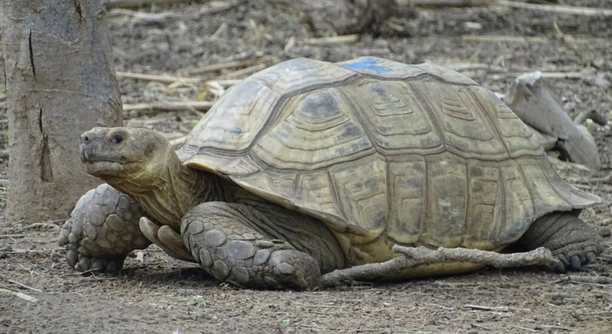
Shell rot is a common issue in Sulcata tortoises, and it can affect their overall health if not properly managed. Understanding how to prevent this condition is essential for any tortoise owner who wants to ensure their pet thrives.
The most effective way to prevent shell rot is by maintaining a dry and clean living environment. Ensuring proper humidity levels and providing a well-balanced diet will also support the health of your tortoise’s shell. Regular check-ups are important for early detection.
Preventing shell rot requires a combination of environmental and health practices. The right conditions and care will keep your tortoise safe from this painful condition.
Understanding Shell Rot in Sulcata Tortoises
Shell rot in Sulcata tortoises is a condition where the hard outer shell begins to deteriorate due to infection or injury. This condition is commonly caused by bacteria or fungi that thrive in damp environments. When left untreated, shell rot can lead to severe health complications, including permanent damage to the tortoise’s shell and internal organs. Sulcata tortoises are particularly vulnerable due to their natural habitat’s dry conditions, which differ greatly from the damp environments where these infections thrive. A healthy shell is vital for the tortoise’s protection, mobility, and overall well-being.
Shell rot often begins as small, soft spots on the shell, which can be hard to spot unless you examine the tortoise closely. Over time, these spots can expand and become infected. Owners may notice a foul odor or swelling near the affected areas. It’s important to address these signs immediately to prevent the condition from worsening.
Recognizing shell rot early can make a significant difference in your tortoise’s recovery. Regularly inspecting your tortoise’s shell for signs of damage, discoloration, or soft spots is crucial to maintaining its health.
Prevention Through Proper Habitat
A dry and clean habitat is essential for preventing shell rot in Sulcata tortoises. Ensuring the tortoise’s enclosure is kept free from excess moisture can minimize the risk of fungal and bacterial infections.
The key to avoiding shell rot is proper habitat management. Sulcata tortoises are desert dwellers and thrive in environments with low humidity. A well-ventilated enclosure is vital for preventing moisture buildup, which can encourage the growth of harmful organisms. The flooring should be kept dry, and any bedding materials used should be changed regularly to avoid the development of mold. Additionally, using a heat lamp to maintain appropriate temperature levels can help to keep the tortoise comfortable and further reduce the risk of infection.
A balanced diet also plays a role in preventing shell rot. Sulcata tortoises need a diet rich in fiber and low in protein to support shell growth and overall health. This diet, combined with a clean living space, creates a strong foundation for preventing shell rot and other health issues.
Dry Conditions Are Crucial
Keeping your Sulcata tortoise in a dry environment is essential for preventing shell rot. Excess moisture can lead to bacterial or fungal infections that affect the shell.
Humidity is a major factor in the development of shell rot. Sulcata tortoises are native to arid regions, so they are not built to thrive in damp conditions. Ensure that your tortoise’s enclosure has proper ventilation, and avoid using materials that retain moisture. The habitat should be dry and well-ventilated, allowing your tortoise to stay comfortable and healthy. Consistent air circulation will also help regulate temperature and prevent excess humidity, which can create an environment for harmful bacteria to grow.
It’s important to monitor the humidity levels inside the enclosure. Using a humidity gauge can help maintain the proper levels. If the humidity is too high, consider adding more ventilation or using materials that prevent moisture buildup. Keeping the tortoise dry will drastically reduce the risk of shell rot and promote better health.
Proper Diet for Healthy Shells
A balanced diet helps your tortoise maintain a strong and healthy shell, which is essential for avoiding shell rot. This includes providing enough fiber and avoiding excessive protein.
The right diet is crucial to your Sulcata tortoise’s health and shell condition. These tortoises need a high-fiber diet that mimics their natural environment. Feed them a variety of grasses, leafy greens, and vegetables. Avoid feeding them too much protein, as it can cause growth problems and weaken their shell. Supplements, such as calcium, can be added to support shell growth and maintain strength. Ensuring your tortoise gets the proper nutrients will keep its shell hard and healthy, making it less susceptible to infections.
A healthy diet doesn’t just benefit the shell. It plays a role in overall growth, immunity, and longevity. Regularly providing fresh, nutritious food will improve the tortoise’s chances of avoiding shell rot, as well as other health complications. Stick to a consistent feeding schedule and monitor your tortoise’s weight and condition to ensure they’re getting the proper nutrition. This helps support their overall well-being and prevent potential health issues.
Regular Inspections
Checking your tortoise regularly for signs of shell damage is important. Early detection can make treatment easier and prevent worsening conditions.
Inspect your tortoise’s shell frequently to spot any soft spots, discoloration, or damage. These can be signs of shell rot or infection. Pay close attention to any changes in the texture, especially in humid conditions, where infection is more likely to spread. Early intervention can help prevent further complications. If you notice any unusual changes, it’s best to consult with a vet promptly for advice.
Clean Enclosure for Health
Keeping your Sulcata tortoise’s living space clean is essential. A dirty enclosure can encourage the growth of bacteria and fungi.
Regular cleaning of the enclosure is necessary to prevent the buildup of waste or mold. Remove any soiled bedding, replace it with fresh material, and disinfect surfaces as needed. Keeping the habitat clean reduces the risk of infections and ensures your tortoise remains healthy. Consider using a substrate that doesn’t retain moisture and avoids mold buildup. Regular upkeep will create a safer, cleaner environment that helps to prevent shell rot and other health problems.
FAQ
What are the early signs of shell rot in Sulcata tortoises?
The early signs of shell rot include soft spots, discoloration, and foul-smelling odor on the shell. You may also notice areas where the shell feels spongy or damp. These signs are often subtle and may not immediately appear severe. However, if left untreated, shell rot can worsen quickly. Regularly checking your tortoise’s shell will help catch these issues early before they lead to more serious problems.
How can I prevent shell rot in my Sulcata tortoise?
Preventing shell rot involves maintaining a dry, clean habitat with proper ventilation. Avoid excess humidity and moisture in the enclosure. Keep the tortoise’s shell clean and regularly inspect for any changes in texture or color. A well-balanced diet, with adequate fiber and calcium, also supports shell health and reduces the likelihood of shell rot.
Can shell rot be treated at home?
Mild cases of shell rot may be treated at home by cleaning the affected area and applying an antifungal or antibacterial solution, depending on the type of infection. However, more severe cases require veterinary attention. A vet will clean the shell, debride infected tissue, and may prescribe medications for treatment.
How often should I clean my Sulcata tortoise’s enclosure?
You should clean your tortoise’s enclosure at least once a week to remove waste, replace bedding, and disinfect surfaces. If your tortoise has access to water, change the water daily to ensure cleanliness. Regular cleaning reduces the chance of bacteria or fungi developing in the habitat, which could lead to shell rot.
Is it necessary to provide UVB light for my tortoise?
Yes, providing UVB light is essential for your tortoise’s overall health. UVB light helps them synthesize vitamin D3, which is crucial for calcium absorption and bone health. A lack of UVB can lead to metabolic bone disease and weakened shells. Make sure the UVB light is in the correct position and replaced regularly to ensure it remains effective.
Can my tortoise recover from shell rot?
Yes, with prompt treatment and proper care, a tortoise can recover from shell rot. The severity of the condition determines the recovery process. Mild cases can heal with minor interventions like cleaning and topical treatment, while severe cases may require veterinary procedures. Early treatment is key to a successful recovery.
How long does it take for shell rot to heal?
The healing time for shell rot varies depending on the severity of the infection. Minor cases may heal within a few weeks, while more severe cases could take several months. During the healing process, your tortoise should be kept in a dry, clean environment and monitored closely for any signs of worsening conditions.
Can humidity cause shell rot in Sulcata tortoises?
Yes, excess humidity is a primary factor in causing shell rot. Sulcata tortoises are desert animals and are adapted to dry environments. High humidity levels in their habitat promote the growth of bacteria and fungi, which can lead to shell rot. Maintaining proper humidity levels is crucial in preventing this condition.
What should I do if my tortoise has a deep infection in its shell?
If your tortoise has a deep infection, it is best to consult a vet immediately. Deep infections may require surgical treatment to remove infected tissue. Your vet will clean the area and may prescribe antibiotics or antifungal treatments to combat the infection. Follow all veterinary instructions carefully to ensure proper healing.
Are there any specific foods that help prevent shell rot?
Foods high in fiber, like grasses, leafy greens, and certain vegetables, support shell health. A diet rich in calcium is also important for maintaining strong, healthy shells. Avoid foods that are too high in protein, as they can cause an imbalance that affects the tortoise’s overall health and shell strength. Providing a well-balanced diet helps your tortoise stay strong and less vulnerable to shell rot.
Final Thoughts
Keeping your Sulcata tortoise healthy requires consistent care, especially when it comes to preventing shell rot. Shell rot is a serious condition that can develop quickly if not addressed early. The key to preventing it is maintaining a clean and dry environment. Excess moisture in their habitat is the main factor in the development of shell rot. Therefore, proper ventilation, along with regular cleaning of their enclosure, is crucial to reducing the risk. Ensuring the habitat is well-ventilated helps regulate the temperature and keeps the humidity at acceptable levels for the tortoise.
In addition to the environment, diet plays a significant role in maintaining a healthy shell. A balanced diet that includes high-fiber foods and enough calcium will help prevent weak shells. Avoiding excessive protein is also important for shell health. Supplements like calcium can help support your tortoise’s shell and overall bone structure. Regularly inspecting your tortoise for any signs of shell damage, such as soft spots or discoloration, will allow you to address any problems early. If any issues are noticed, it’s important to act quickly and consult a veterinarian if necessary. Early intervention can often make treatment easier and prevent long-term damage.
Remember that Sulcata tortoises require consistent care and attention to stay healthy. Regular inspections, proper diet, and keeping their living space clean and dry are the best ways to ensure they live a long, healthy life. When you take steps to maintain their health, you help protect them from shell rot and other common problems. With the right care, your Sulcata tortoise can thrive in a safe, healthy environment.

Hello,
If you enjoy the content that we create, please consider saying a "Thank You!" by leaving a tip.
Every little bit helps us continue crafting quality advice that supports the health, happiness, and well-being of pets around the world, for pets of all shapes, sizes, and species.
We really appreciate the kindness and support that you show us!