
Paragraph 1:
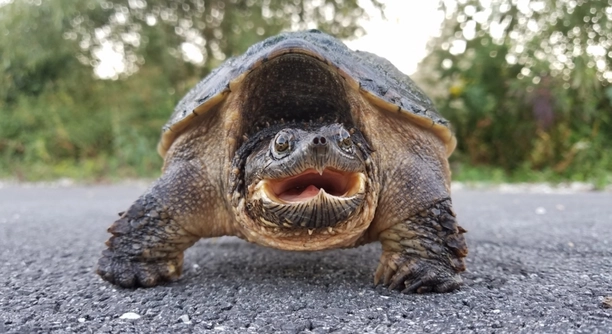
Common snapping turtles are fascinating creatures, but they are vulnerable to health issues like shell rot. This condition can be harmful to their well-being if not managed correctly. It’s important to know how to prevent it from occurring.
Paragraph 2:
Shell rot in common snapping turtles is caused by bacterial or fungal infections that damage the shell. To prevent this, it’s crucial to maintain a clean environment, provide proper nutrition, and ensure the turtle has access to clean water.
Paragraph 3:
By following simple care guidelines, you can reduce the risk of shell rot and keep your snapping turtle healthy. Learn how to create a suitable environment and manage their needs to promote long-term well-being.
1. Keep Their Habitat Clean and Dry
One of the best ways to prevent shell rot is to maintain a clean, dry habitat for your snapping turtle. When their environment becomes too wet or dirty, bacteria and fungi can thrive, leading to infections. Regularly clean the tank or pond where they live, making sure there’s no stagnant water. If the water becomes too dirty, replace it immediately to avoid contamination. Ensure there’s a proper filtration system to help remove waste and debris. Cleaning the turtle’s living area will also help keep its shell in good condition, reducing the chances of infection.
Keeping their habitat clean isn’t difficult but requires attention to detail. It’s important to remove any uneaten food or waste regularly, as these can encourage harmful microorganisms. By doing this, you’ll help create a healthier environment for your turtle to thrive.
In addition to water quality, the turtle’s basking area should be dry and clean. Snapping turtles enjoy basking in the sun, and providing a dry, safe space allows their shells to dry off and helps prevent fungal growth. Consider adding a sturdy platform where they can climb out of the water to rest.
2. Provide a Balanced Diet
A well-balanced diet is essential for your turtle’s overall health, including preventing shell rot. Proper nutrition strengthens their immune system, which helps them resist infections. Snapping turtles are omnivores, so it’s important to offer a mix of proteins, vegetables, and occasional fruits. A variety of food sources will keep them healthy and help prevent malnutrition, which can weaken their defenses.
The food you provide should be fresh, clean, and free from any contaminants. Fish, shrimp, and worms are great protein sources, while leafy greens and vegetables like kale, collard greens, and dandelion leaves are ideal for their diet. Occasional treats, like berries or carrots, can be added for variety.
A turtle’s diet plays a key role in their ability to recover from minor injuries or stress. If their immune system is strong due to good nutrition, they’ll be better equipped to fight off infections. You can also supplement their diet with vitamin and mineral powders to ensure they receive the nutrients they need. Keeping their diet balanced will go a long way in preventing health issues like shell rot.
3. Monitor Water Quality Regularly
Water quality is crucial for preventing shell rot in snapping turtles. The water they live in should be clear, filtered, and free from harmful bacteria. Poor water quality encourages the growth of pathogens that can damage the turtle’s shell. Invest in a reliable filtration system to keep the water clean and ensure your turtle stays healthy. Regularly test the water’s pH and temperature to make sure it remains in the ideal range for your turtle’s needs.
The temperature of the water is also essential. Cold water can cause stress, weakening their immune system and making them more susceptible to infections. The ideal water temperature for snapping turtles ranges from 75°F to 85°F. Make sure the tank or pond is heated properly if needed, but avoid sudden temperature changes, as these can cause health issues.
In addition to maintaining the water, ensure there’s a proper balance between dry areas and water. Snapping turtles need access to both to stay healthy. A good mix of aquatic and land space will help prevent bacterial growth on their shell and keep them comfortable.
4. Regularly Inspect Their Shell
Regular inspections of your turtle’s shell are essential to catch any early signs of shell rot. Look for discoloration, soft spots, or visible cracks. If you notice any, it’s important to take action immediately to prevent further damage. Checking the shell often can help you stay ahead of potential problems.
If you spot any issues, gently clean the area with water and a soft brush. Don’t use harsh chemicals, as they can irritate the turtle’s skin. For serious damage, contact a veterinarian who specializes in reptiles to ensure proper care. Early intervention can make a big difference.
By inspecting your turtle’s shell frequently, you’ll be able to spot any issues before they become serious. Shell rot is often easier to treat if it’s caught in the early stages. You’ll also notice if their shell is hardening properly, a sign of good health. Don’t skip these checks—they’re vital for your turtle’s well-being.
5. Minimize Stressful Situations
Stress is a common cause of weakened immune systems in turtles. When a turtle is stressed, it becomes more vulnerable to infections, including shell rot. To minimize stress, try to avoid sudden changes in their environment. Keep the habitat calm, with minimal noise and disturbance.
Ensure your turtle’s living space is safe and free from threats like other aggressive animals. Snapping turtles, in particular, need their own space, as they can become stressed by the presence of other turtles or tankmates. Make sure they have enough room to roam without being crowded.
Maintaining a consistent routine helps your turtle feel more secure. Regular feeding times, controlled lighting, and stable water conditions all contribute to a less stressful environment. The more stable and comfortable their surroundings are, the more likely your turtle will stay healthy and avoid infections like shell rot.
6. Provide Proper Lighting
Proper lighting is essential for your turtle’s health. Snapping turtles need both UVB and UVA light to maintain healthy bones and shell. Without sufficient light, they can become vitamin D deficient, making them more susceptible to health issues, including shell rot.
A UVB light helps turtles synthesize vitamin D3, which is crucial for calcium absorption. Without it, their shells can become soft, increasing the risk of infection. Make sure the light is positioned to cover their basking area for about 10-12 hours a day. A timer can help keep it consistent.
Ensure the light is the right distance from their basking spot to provide proper exposure. If the light is too far away, it won’t be effective. On the other hand, if it’s too close, it could cause overheating. A balanced approach is key to your turtle’s health.
7. Maintain a Healthy Weight
Keeping your snapping turtle at a healthy weight is essential for overall well-being and shell health. Overweight turtles can experience stress on their shell and other parts of their body, which can lead to deformities or infections. It’s important to regulate their diet and activity levels.
A balanced diet and adequate space for swimming and basking will help keep their weight in check. Make sure they have access to both aquatic and dry areas so they can exercise naturally. Keeping them active helps maintain a healthy metabolism and prevents obesity.
FAQ
What are the signs of shell rot in a snapping turtle?
The most common signs of shell rot include soft spots, discolored patches, or foul-smelling areas on the shell. A turtle with shell rot may also appear lethargic and eat less. If you notice these signs, it’s important to act quickly to prevent the condition from worsening.
In some cases, the shell may look pitted or have a rough texture, especially in areas where the infection is most prominent. If left untreated, the infection can spread to deeper layers of the shell, causing permanent damage. Always check the turtle regularly to catch early signs of shell rot.
How can I treat shell rot in my snapping turtle?
If you suspect your turtle has shell rot, it’s essential to clean the affected area gently. Use warm water and a soft toothbrush to remove any dirt or debris. Avoid harsh chemicals, as they can irritate the shell. After cleaning, keep the affected area dry and allow it to heal in a clean, dry environment.
For more serious cases, consult a vet. In some instances, the vet may prescribe antibiotics or antifungal treatments to combat the infection. The sooner you seek professional help, the better the chances of your turtle recovering fully.
Can a snapping turtle’s shell heal on its own?
A snapping turtle’s shell can heal naturally if the damage is minor and the right conditions are provided. The healing process depends on the severity of the injury or infection. With proper care, like keeping the turtle in a clean, stress-free environment, minor cases may heal over time.
However, for more severe shell rot or damage, professional intervention is often needed. Delaying treatment could cause further complications, so it’s always a good idea to monitor your turtle’s health closely.
How do I prevent shell rot from happening in the first place?
Preventing shell rot starts with maintaining a clean, dry habitat. This includes regular water changes, proper filtration, and eliminating excess waste or debris. Providing UVB lighting for your turtle helps keep its immune system strong, while a balanced diet ensures it has the right nutrients to fight off infections.
Regular shell inspections also play a crucial role in preventing shell rot. Catching potential issues early can stop them from turning into bigger problems. By creating the right environment and routine, you can significantly reduce the risk of shell rot.
How long does it take for shell rot to heal?
The healing time for shell rot can vary based on the severity of the condition. Minor cases may take a few weeks to heal, while more severe infections could take months. During the healing process, it’s important to keep the turtle in a clean, low-stress environment to encourage recovery.
With proper treatment and care, many turtles recover fully from shell rot. If the damage is more severe, the healing process may take longer, and the shell may not fully return to its original state.
What are the causes of shell rot in snapping turtles?
Shell rot is typically caused by poor water quality, lack of proper hygiene in their habitat, or injury to the shell that becomes infected. Bacteria and fungi thrive in warm, dirty environments and can easily invade a turtle’s shell if it’s compromised.
In some cases, stress or malnutrition can weaken the turtle’s immune system, making it more susceptible to infections. Maintaining a clean environment, proper diet, and stress-free living conditions are key to preventing shell rot in snapping turtles.
Can shell rot be contagious to other turtles?
Shell rot itself is not contagious to other turtles, but the bacteria and fungi that cause the condition can spread in a shared environment. If multiple turtles live in the same tank or pond, poor water quality can lead to infections in other turtles as well.
To prevent this, ensure that the water is filtered regularly, and each turtle has its own space if possible. If one turtle is sick, it’s a good idea to isolate it from others until it has fully recovered.
How can I keep my turtle’s shell healthy?
To keep your turtle’s shell healthy, provide it with a clean habitat, UVB lighting, and a balanced diet. Regularly inspect the shell for signs of damage or infection, and keep the turtle’s living area free of debris and waste. Healthy water quality and temperature are also essential.
Make sure your turtle has access to both water and dry basking areas. Exercise is important too, so ensure it has enough space to swim and move around freely. A healthy, active turtle is less likely to develop shell issues.
Can snapping turtles live with other turtles?
Snapping turtles can live with other turtles, but it depends on the species. Snapping turtles are generally more aggressive and territorial, especially with smaller or less aggressive turtles. In a shared tank, it’s important to ensure there’s enough space and hiding spots to reduce aggression.
If you choose to house multiple turtles together, it’s best to provide each turtle with its own territory. This will help minimize stress and avoid fighting, which can lead to injury and potential infections like shell rot.
What should I do if my turtle’s shell has a crack or injury?
If your turtle has a crack or injury on its shell, it’s important to clean the area carefully. Use warm water and a soft brush to remove dirt, and then dry the area thoroughly. Avoid using any harsh chemicals or ointments unless advised by a vet.
For deeper cracks or injuries, take the turtle to a veterinarian for evaluation. The vet may recommend a shell repair or other treatment to prevent infection. Until the turtle has fully healed, keep it in a clean, safe environment to avoid complications.
Final Thoughts
Taking proper care of a snapping turtle can help prevent health issues like shell rot. It requires attention to their habitat, diet, and overall well-being. Keeping their living space clean, ensuring they have access to fresh water, and offering a balanced diet are the foundation of good care. Regular inspections of their shell also play an important role in spotting problems early. By staying proactive, you can avoid most health issues and help your turtle thrive for many years.
Preventing shell rot is not a difficult task, but it does require consistency. Keeping their environment clean and dry, providing the right light and temperature, and offering the right kind of food will help your snapping turtle stay healthy. Always make sure that the water is clean, free from waste, and properly filtered. The turtle should have access to both a basking area and enough space to swim comfortably. Taking these simple steps can help ensure that your turtle is less likely to suffer from shell rot.
Remember that if you notice any signs of shell rot or other health concerns, it’s important to take action right away. Early detection and treatment can prevent the problem from worsening and causing permanent damage. Consult a veterinarian if needed, especially for more severe cases. Taking care of your turtle’s shell and overall health is an ongoing process, but with the right approach, your snapping turtle will have a happy and healthy life.

Hello,
If you enjoy the content that we create, please consider saying a "Thank You!" by leaving a tip.
Every little bit helps us continue crafting quality advice that supports the health, happiness, and well-being of pets around the world, for pets of all shapes, sizes, and species.
We really appreciate the kindness and support that you show us!