
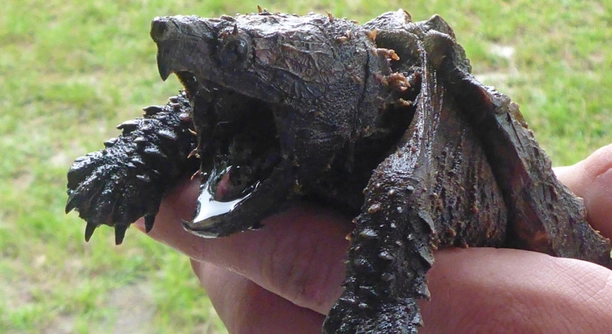
Alligator snapping turtles are unique creatures, and their shells are vital for protection. However, they can be prone to shell rot, a condition that can seriously affect their health. Understanding how to prevent this issue is essential for their well-being.
To prevent shell rot in alligator snapping turtles, ensure their habitat is clean and well-maintained. Proper humidity levels, a balanced diet, and regular check-ups can reduce the risk of infection. A dry, contaminated environment can cause severe shell issues.
Maintaining a healthy habitat and routine care is essential for preventing shell rot. These measures will help ensure your turtle remains healthy and free from this common condition.
Keep Their Habitat Clean and Dry
Alligator snapping turtles thrive in clean, dry environments. A dirty or overly damp habitat can lead to bacteria buildup, which increases the risk of shell rot. Regular cleaning of their tank or outdoor pond is crucial. Ensure that water is filtered properly to prevent harmful microorganisms. If their habitat is too humid or wet, the turtle’s shell can become soft, inviting infections.
Clean water and a dry environment are key to turtle health. Make sure their living space is free from waste and contaminants. Change the water regularly to keep it fresh and reduce bacteria.
An ideal habitat for your turtle includes clean, dry spaces for them to rest and roam. Ensure that their tank is large enough for them to move around and avoid standing water, as stagnant water can harbor bacteria. Use a water filter to maintain quality water, and be sure to spot clean daily. Shell rot often occurs in environments with poor hygiene, so consistent maintenance of their space is essential for preventing health issues.
Provide a Balanced Diet
A well-balanced diet supports the health of alligator snapping turtles. Provide a variety of fresh food, including high-quality pellets, live prey, and vegetables. Avoid overfeeding, as it can lead to obesity, which puts stress on their shell and overall health.
Ensure your turtle gets the necessary nutrients. Offer them calcium-rich foods to strengthen their shell, like leafy greens and insects. A balanced diet improves their immune system, reducing the risk of infection.
Turtles rely on a healthy, varied diet to maintain strong shells. High-protein foods like fish or worms, along with vitamin-rich vegetables, provide essential nutrients that promote shell growth. Calcium is especially important for the development of their hard shell. Regular feeding schedules help maintain their health, so aim to feed them every other day to avoid overfeeding. A well-fed turtle is less likely to suffer from shell rot, as it boosts their immune system, helping them fight off infections.
Maintain Proper Humidity Levels
Humidity plays a crucial role in your turtle’s health. Too much humidity can cause shell rot, while too little can dry out their skin and shell. Monitor humidity levels closely to ensure they stay in the right range for your alligator snapping turtle.
Maintaining proper humidity is simple with the right equipment. Use a hygrometer to measure the humidity in their tank. Ideal humidity levels should be between 60-70%. A misting system can help if the tank gets too dry. Consistent humidity levels promote healthy shell growth and prevent skin issues, so stay vigilant.
Turtles are sensitive to changes in their environment. If the humidity is too high or too low, their shell and skin can suffer. Overly moist conditions can soften their shell, leading to rot and infections. A well-balanced humidity level encourages their body to function properly, preventing many common health issues. If you notice any signs of excess moisture or dryness, adjust the humidity levels quickly to protect their shell and overall health.
Regularly Check for Early Signs of Shell Rot
Spotting early signs of shell rot can save your turtle from serious harm. Look for soft spots, discoloration, or foul smells. The sooner you catch these issues, the easier it will be to treat them and prevent further damage.
Early detection of shell rot is essential. Check your turtle’s shell regularly for signs like a green or brownish discoloration, cracks, or soft areas. If you notice any of these symptoms, it’s important to act fast. Left untreated, shell rot can spread and cause permanent damage, so don’t ignore any warning signs.
Regular checks ensure that you catch shell rot before it becomes a serious problem. Examine your turtle’s shell for any changes, especially after being in water for extended periods. Pay attention to their behavior as well—if they’re avoiding movement or seem lethargic, it could be an indication of pain or infection. Make shell inspections a part of your routine to ensure their health and well-being, and act quickly if any signs of rot appear.
Provide Access to UVB Lighting
UVB lighting is vital for alligator snapping turtles to process calcium. Without it, their shell can become brittle and weak, leading to a higher risk of shell rot. Make sure your turtle has access to a UVB light for at least 10-12 hours a day.
Proper UVB lighting mimics natural sunlight, providing your turtle with the necessary UV rays. Place the light close enough to your turtle’s basking area to ensure they can absorb it. A lack of UVB light can cause deficiencies that affect their shell health. A simple setup will help avoid this issue.
Without sufficient UVB exposure, turtles cannot properly absorb calcium, essential for maintaining a strong shell. Weak shells are more prone to injury and infection, increasing the likelihood of shell rot. Adding a UVB light to their habitat is a straightforward way to prevent these problems. Keep the light at the recommended distance, and regularly replace it to ensure optimal functioning.
Avoid Overcrowding Their Space
Overcrowding your turtle’s habitat can lead to stress and health problems. If multiple turtles are living in the same space, it can result in competition for food and space, leading to unhygienic conditions. Always ensure each turtle has enough room to roam comfortably.
A spacious habitat reduces stress and ensures each turtle has enough access to food, water, and a dry area to bask. Avoid putting too many turtles in one tank or pond, as limited space leads to poor water quality, increasing the risk of shell rot. Give each turtle plenty of space to thrive.
A stressed turtle is more likely to become ill, including suffering from shell rot. Ensuring your alligator snapping turtle has enough space promotes a healthy and calm environment. Stress can weaken their immune system, making them vulnerable to infections. By avoiding overcrowding, you reduce the risk of health issues, including the development of shell rot.
Monitor Their Activity and Behavior
Observing your turtle’s activity and behavior helps detect issues early. If your turtle becomes lethargic or refuses to bask, it may be a sign of an underlying problem, including potential shell rot. Pay attention to changes in their routine or behavior.
Activity levels are often a good indicator of your turtle’s health. A healthy turtle will actively swim, bask, and explore its environment. If your turtle shows signs of sluggishness, a lack of interest in food, or avoids basking, it could be a sign of infection. By tracking behavior, you can catch health problems before they become serious. Regular monitoring is key.
FAQ
How can I tell if my alligator snapping turtle has shell rot?
Signs of shell rot include discoloration, soft spots, foul smells, and visible cracks in the shell. If you notice any of these symptoms, it’s important to examine your turtle carefully. Shell rot can spread quickly and lead to serious health problems if left untreated, so acting early is crucial. Always check for any irregularities after cleaning their habitat or when they come out of the water.
What should I do if I suspect shell rot?
If you suspect your turtle has shell rot, immediately consult a veterinarian. They can assess the severity of the condition and recommend appropriate treatment. You may need to remove your turtle from its current environment and provide a dry, sterile area for healing. Do not try to treat severe shell rot on your own without professional help. Treatment may involve cleaning the shell, applying topical antibiotics, and adjusting habitat conditions.
Can shell rot be prevented?
Yes, shell rot can be prevented with proper care. Maintaining clean, dry living conditions, providing UVB lighting, and ensuring your turtle’s diet is rich in calcium are all important steps. Regularly check for early signs of rot and adjust habitat conditions promptly if you notice anything unusual. Keeping your turtle’s environment healthy is the best preventive measure.
How often should I clean my turtle’s habitat to prevent shell rot?
It’s best to clean your turtle’s habitat regularly, with spot cleaning every day to remove waste. Perform a full cleaning, including replacing the water and cleaning the tank, at least once a week. Ensure the water is filtered properly to reduce the buildup of harmful bacteria. If your turtle lives in an outdoor pond, clean it more frequently to maintain water quality.
What type of lighting do I need for my alligator snapping turtle?
Alligator snapping turtles require UVB lighting to help them process calcium and keep their shell healthy. Provide a UVB light that mimics natural sunlight, placing it above your turtle’s basking area. Keep the light on for 10-12 hours a day to ensure your turtle receives the necessary UV rays. Regularly replace the light bulb to maintain its effectiveness, as UVB light deteriorates over time.
How do I ensure the right humidity levels for my turtle?
Maintaining proper humidity is essential for your turtle’s health. Use a hygrometer to measure humidity levels in their tank or habitat. The ideal range is between 60-70% humidity. If it’s too dry, consider adding a misting system to raise humidity. If it’s too high, ensure proper ventilation and avoid excess moisture buildup. Regularly check to ensure your turtle’s living conditions are balanced.
Can shell rot spread to other turtles?
Yes, shell rot can spread if not addressed. If you have multiple turtles, isolate the infected turtle to prevent cross-contamination. Bacteria causing shell rot can transfer through water or physical contact. Clean and disinfect the habitat thoroughly after treating an infected turtle to avoid spreading the infection to others. It’s essential to monitor all turtles in the enclosure for early signs of rot.
What is the best diet for an alligator snapping turtle to prevent shell rot?
A diet rich in calcium is crucial for shell health. Offer a mix of high-quality pellets, fresh vegetables like leafy greens, and live prey such as fish or insects. Calcium-rich foods, like cuttlefish bones or calcium supplements, should be part of their regular diet to keep their shells strong. Ensure you feed them in moderation to avoid obesity, which can also lead to health issues.
What happens if shell rot is left untreated?
If left untreated, shell rot can progress into a more severe infection that affects the underlying bone and tissue. This can lead to deformities, severe pain, or even death in extreme cases. The infection can spread throughout the turtle’s body, weakening its immune system and causing long-term health problems. Always seek veterinary care as soon as you notice signs of shell rot to prevent serious consequences.
How can I tell if the water in my turtle’s habitat is contaminated?
Contaminated water can lead to bacteria buildup, which increases the risk of shell rot and other infections. Look for signs of cloudiness, unusual odors, or visible debris in the water. You should also check the water’s pH and temperature regularly, as imbalanced water conditions can stress your turtle and make it more susceptible to illness. Proper filtration and regular water changes are essential for keeping the habitat clean.
Can I treat shell rot at home?
Mild cases of shell rot can sometimes be treated at home with proper cleaning and care. Gently clean the affected area using a soft brush and antiseptic solution, then allow the turtle to dry in a clean, dry area. However, severe cases require a veterinarian’s attention for appropriate treatment, such as antibiotics and potential surgical intervention. Never attempt to treat extensive shell rot without professional advice.
Final Thoughts
Shell rot is a serious condition that can affect alligator snapping turtles if not addressed promptly. The key to preventing it lies in maintaining a clean and healthy environment for your turtle. Regularly clean the habitat, monitor water quality, and provide adequate lighting to support your turtle’s overall health. By keeping their environment free from harmful bacteria and ensuring they receive the right nutrients, you can greatly reduce the risk of shell rot. It’s important to stay proactive and look for early signs of trouble so you can act quickly.
Veterinary care plays a crucial role in treating more severe cases of shell rot. If you notice any signs of infection, such as discoloration or soft spots on the shell, it’s important to seek professional help. A veterinarian can assess the situation and recommend appropriate treatments, such as antibiotics or even surgical intervention in extreme cases. Remember, the longer you wait, the more difficult it can be to treat shell rot effectively. In some cases, untreated infections can lead to lasting damage or even death, so early intervention is key.
While it can be concerning to deal with shell rot, it is manageable with the right care and attention. By offering your turtle a proper diet, the right habitat conditions, and a clean environment, you’re providing the foundation for a long, healthy life. Regular checkups with a vet and staying informed about your turtle’s needs will help keep shell rot at bay. With proper knowledge and care, you can ensure your alligator snapping turtle remains in good health for many years to come.

Hello,
If you enjoy the content that we create, please consider saying a "Thank You!" by leaving a tip.
Every little bit helps us continue crafting quality advice that supports the health, happiness, and well-being of pets around the world, for pets of all shapes, sizes, and species.
We really appreciate the kindness and support that you show us!