
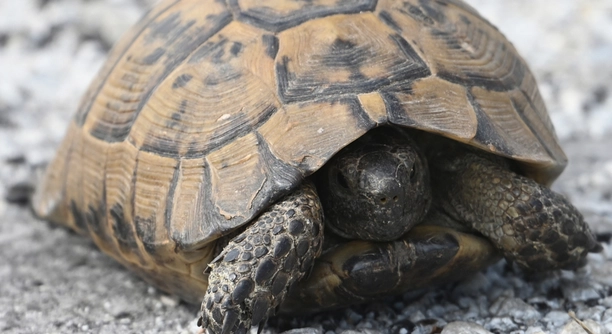
Greek tortoises, known for their gentle nature and slow movement, are also vulnerable to respiratory infections. Protecting them from these infections requires some attention and care. Understanding how to safeguard your tortoise’s health is crucial.
Preventing respiratory infections in Greek tortoises starts with proper habitat conditions. Maintaining a clean, warm, and dry environment, ensuring good ventilation, and providing a balanced diet are essential in preventing respiratory issues. Regular health checks are also important.
Healthy tortoises thrive in the right conditions. Ensuring their living space is optimal will promote better health and reduce infection risks.
Maintaining Proper Temperature and Humidity
Keeping the right temperature and humidity levels is essential for a Greek tortoise’s well-being. These tortoises thrive in warm, dry environments but still need humidity to support their natural processes. A steady range of 75°F to 85°F is ideal for their habitat. If the environment becomes too cold or too humid, it can stress the tortoise and make it more susceptible to infections.
It is important to monitor both air and substrate temperature regularly. Using a reliable thermometer and hygrometer can help ensure that your tortoise’s environment is safe and comfortable.
Additionally, providing a heat source, such as a heat lamp, will help maintain the right temperature gradient. This allows your tortoise to move between warmer and cooler areas as needed. Too much heat or too little can disrupt your tortoise’s health and immune function, leading to potential respiratory issues.
Clean Environment
A clean environment is vital for preventing respiratory infections. Regularly cleaning your tortoise’s habitat, including removing waste, uneaten food, and old bedding, minimizes bacteria buildup. This can prevent harmful pathogens from spreading.
In addition to general cleanliness, disinfecting the enclosure periodically helps ensure the environment remains free from germs. Using pet-safe disinfectants will prevent any harmful chemicals from affecting your tortoise’s health.
Proper sanitation extends beyond the enclosure. Make sure to wash your hands before and after handling your tortoise. Avoiding cross-contamination with other pets also reduces the risk of respiratory infections. Regular cleaning is a simple yet crucial part of keeping your tortoise healthy.
Proper Diet and Nutrition
A balanced diet plays a major role in preventing respiratory infections. Greek tortoises need a diet rich in fiber and low in protein. Leafy greens, flowers, and grasses are ideal. Fresh vegetables like dandelion greens, collard greens, and clover help maintain their immune system.
Feeding your tortoise a variety of high-quality, natural foods supports overall health. Avoid feeding them high-fat or high-protein foods, as this can lead to obesity and other health issues. Always ensure that food is fresh and free of pesticides, as chemicals can harm their immune system.
Hydration is also essential. While tortoises are adapted to dry conditions, they still need access to fresh water. Provide a shallow dish of water daily, and change it frequently to prevent bacteria buildup. It’s also beneficial to soak your tortoise occasionally to maintain proper hydration levels.
Avoiding Stress
Stress can lower a tortoise’s immune system, making it more vulnerable to respiratory infections. Stress factors include temperature extremes, overcrowding, or frequent handling.
Create a calm environment for your tortoise by minimizing disturbances and ensuring it has a safe, quiet space. Stress can also be reduced by offering a consistent feeding schedule and limiting changes to the enclosure.
Handling should be limited to avoid stress, as tortoises do not enjoy frequent interactions. Make sure the environment is spacious enough for them to move freely. This ensures your tortoise remains comfortable, reducing the likelihood of stress-related health problems.
Regular Health Checks
Routine health checks are essential for early detection of potential respiratory issues. Regular vet visits can help ensure that your tortoise is in good health and free from infections.
Checking your tortoise’s breathing patterns, appetite, and behavior will also help you spot early signs of infection. Any unusual behavior, such as lethargy or wheezing, should be addressed promptly.
Proper Ventilation
Proper ventilation is key to preventing respiratory infections. Ensure that your tortoise’s enclosure has enough airflow to avoid the buildup of harmful gases or humidity.
Stale air increases the risk of bacteria and mold, which can lead to respiratory issues. Ventilation can be improved by adding mesh or adjustable vents to the enclosure.
FAQ
How can I tell if my Greek tortoise has a respiratory infection?
Signs of a respiratory infection in Greek tortoises include wheezing, labored breathing, nasal discharge, and a loss of appetite. If your tortoise seems lethargic or is hiding more than usual, it could be a sign of illness. Keep an eye on their behavior and consult a vet if symptoms persist.
What is the best temperature for a Greek tortoise’s habitat?
Greek tortoises prefer a warm environment with temperatures ranging from 75°F to 85°F. A basking spot should be kept around 90°F, while the cooler end of the enclosure should be around 70°F. Maintaining this temperature gradient is crucial for their health and metabolism.
How do I prevent my tortoise from getting cold?
To prevent your tortoise from getting cold, provide a heat source such as a ceramic heat emitter or a heat lamp. Ensure that your enclosure is placed in a draft-free location, and use a thermostat to regulate the temperature. It’s important to avoid sudden temperature drops that can stress your tortoise.
Can I give my tortoise a bath to help with respiratory infections?
Giving your tortoise a warm bath can help with hydration and assist in the treatment of respiratory infections, but it is not a cure. A soak encourages hydration and can help clear mucus. However, consult a vet for appropriate treatment, especially if symptoms are severe.
Should I keep my tortoise indoors or outdoors?
While Greek tortoises enjoy spending time outside, it’s essential to monitor the weather and avoid exposing them to extreme temperatures or humidity. In colder climates, it’s safer to keep them indoors with proper lighting and heating. Ensure their outdoor enclosure is secure from predators.
What type of food should I feed my Greek tortoise?
Greek tortoises need a high-fiber, low-protein diet. Leafy greens like collard greens, dandelion greens, and clover are ideal. Avoid feeding them high-fat foods like fruit or vegetables that are too high in sugar. Fresh hay and grasses should be available at all times.
Is it necessary to give my tortoise supplements?
Supplements can be beneficial to a tortoise’s diet, especially calcium and vitamin D3. Calcium is vital for shell health, and vitamin D3 helps with calcium absorption. However, these should be given in moderation and only if the tortoise’s diet is lacking in these nutrients.
How often should I clean my tortoise’s enclosure?
Cleaning your tortoise’s enclosure should be done regularly. Spot clean daily by removing waste and uneaten food. A deep clean should be done weekly, which involves disinfecting the enclosure and replacing the substrate. This will help prevent the growth of bacteria and fungi.
Can my tortoise catch a cold from me?
No, tortoises cannot catch human colds. However, bacteria and viruses can be transmitted between humans and reptiles, so it’s important to wash your hands after handling your tortoise or cleaning its enclosure. Keeping their environment clean and well-maintained reduces the risk of illness.
How can I tell if my tortoise is stressed?
Stress in Greek tortoises can be seen in their behavior. If your tortoise is constantly hiding, not eating, or seems overly active, these may be signs of stress. Environmental factors such as temperature, lighting, and space can contribute to stress, so ensure their habitat is suitable.
Is it normal for my tortoise to be inactive during winter?
Yes, Greek tortoises are known to hibernate in colder months. During this time, they will become inactive, and their metabolism slows down. However, if your tortoise shows signs of illness during this period, such as discharge or labored breathing, consult a vet immediately.
What should I do if my tortoise is having difficulty breathing?
Difficulty breathing is a serious symptom that could indicate a respiratory infection. If your tortoise is wheezing, has nasal discharge, or appears lethargic, seek immediate veterinary care. Respiratory infections can progress quickly and may require medication or specific treatments prescribed by a vet.
Can I use heat lamps for my tortoise’s habitat?
Yes, heat lamps are a great way to maintain proper temperature in your tortoise’s habitat. Ensure that the heat lamp provides a basking spot of around 90°F. You should also create a cooler area for your tortoise to regulate its body temperature and avoid overheating.
Do Greek tortoises need UVB lighting?
Yes, UVB lighting is essential for Greek tortoises, especially if they are kept indoors. UVB rays help them synthesize vitamin D3, which is crucial for calcium absorption and shell health. Ensure that the UVB light is positioned correctly in their enclosure and replaced regularly.
How do I know if my tortoise is dehydrated?
Signs of dehydration in Greek tortoises include dry, wrinkled skin, sunken eyes, and a lack of appetite. If you suspect dehydration, offer a warm bath to encourage drinking and consult a vet if symptoms do not improve. Regular soaking can help keep your tortoise properly hydrated.
Can I house multiple tortoises together?
Housing multiple tortoises together can be tricky. While Greek tortoises are generally solitary animals, it is possible to keep them together if the enclosure is large enough. However, it’s important to monitor them for signs of aggression, and ensure there are enough food and basking spots for each tortoise.
What should I do if my tortoise’s shell is damaged?
If your tortoise’s shell is damaged, it’s important to seek veterinary attention immediately. Depending on the severity, shell fractures may require specialized treatment or medication. Keeping the tortoise in a clean, stress-free environment will also aid in the healing process.
Final Thoughts
Taking proper care of your Greek tortoise is essential to prevent respiratory infections and ensure its overall health. Maintaining an appropriate habitat with the right temperature, humidity, and ventilation is key to minimizing the risk of infections. A clean and safe environment, along with a balanced diet, plays a significant role in preventing health issues, including respiratory problems. Regular health checks, both by you and a veterinarian, help catch any potential problems early, reducing the chances of serious health concerns.
Additionally, understanding the signs of a respiratory infection and acting quickly can make a significant difference. If your tortoise shows any unusual signs such as wheezing, nasal discharge, or lethargy, seeking veterinary advice is important. Not all respiratory issues can be prevented, but early intervention can make it easier to treat and may reduce the severity of the illness. Over time, knowing the specific needs of your tortoise, including temperature preferences, diet, and behavior patterns, will make it easier to provide them with the best care possible.
Preventing respiratory infections is not just about addressing immediate concerns but also creating a long-term, supportive environment for your tortoise. By ensuring proper care, hydration, and nutrition, you can help protect your pet from respiratory infections and other health issues. The time and effort you put into your tortoise’s care will not only keep it healthy but also contribute to its well-being for years to come. By following these guidelines and staying vigilant, you can enjoy a long, healthy life with your Greek tortoise.

Hello,
If you enjoy the content that we create, please consider saying a "Thank You!" by leaving a tip.
Every little bit helps us continue crafting quality advice that supports the health, happiness, and well-being of pets around the world, for pets of all shapes, sizes, and species.
We really appreciate the kindness and support that you show us!