
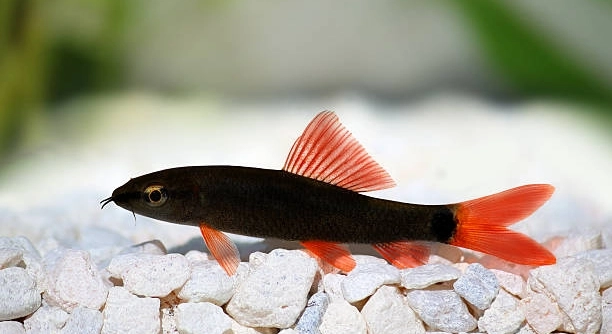
Rainbow sharks are popular freshwater fish known for their vibrant colors and active nature. However, like any pet, they can face health problems that may affect their well-being. Recognizing and preventing common illnesses is essential for keeping them healthy and lively.
Preventing rainbow shark illness involves maintaining clean water, providing a balanced diet, avoiding overcrowding, and monitoring for early signs of disease. Proper tank conditions and regular care reduce stress and minimize the risk of infections and parasites.
Understanding these basic prevention steps helps protect your rainbow shark’s health. This article will guide you through practical ways to keep your fish thriving.
Keep the Tank Clean and Well-Maintained
Maintaining clean water is the foundation of a healthy environment for rainbow sharks. Regular water changes remove harmful waste and toxins that build up over time. Aim to change about 25% of the water every week to keep conditions stable. Using a good filter system helps reduce debris and harmful bacteria, preventing disease outbreaks. Check water parameters regularly—ammonia, nitrite, and nitrate levels should be closely monitored. Keep the temperature steady between 74°F and 79°F (23°C–26°C) as sudden changes can stress your fish. Avoid overcrowding your tank, since too many fish increase waste and lower water quality. Cleaning decorations and the substrate also helps prevent harmful bacteria growth. These small efforts make a big difference in keeping your rainbow shark healthy and happy.
Consistent tank maintenance reduces stress and disease risks for your rainbow shark by ensuring clean water and a stable environment.
Keeping the tank clean is a simple step but one of the most important for preventing illness. Healthy water supports your fish’s immune system and natural behavior. It also prevents the buildup of toxins that can lead to infections. Regular maintenance shows you care and helps you spot problems early before they worsen. It creates a safe home where your rainbow shark can swim actively and display its beautiful colors. This consistent care is key to enjoying a lively, long-lived pet.
Provide a Balanced and Nutritious Diet
Rainbow sharks need a diet that includes both plant and animal matter for optimal health. Feeding a variety of quality flakes, pellets, and frozen foods helps meet their nutritional needs. Including algae wafers or blanched vegetables like zucchini and spinach offers necessary fiber and vitamins. Avoid overfeeding to prevent water pollution and obesity. Feed small portions two to three times daily, allowing your fish to finish the food within a few minutes. Overfeeding can cause leftover food to decay, degrading water quality. A balanced diet strengthens the immune system and supports growth, reducing susceptibility to illness. Adjust feeding based on your rainbow shark’s age and activity level for best results.
A varied, nutritious diet keeps your rainbow shark healthy and supports its natural coloration and energy.
Feeding your rainbow shark properly is one of the simplest ways to prevent common illnesses. Nutrition plays a vital role in maintaining a strong immune system and vibrant colors. Offering a mix of protein-rich foods and plant-based options covers all essential nutrients. Avoid feeding only one type of food, as this can lead to deficiencies. Fresh, quality food improves digestion and reduces stress. Watching how much your fish eats also helps avoid leftovers that pollute the water. Making sure your fish is well-fed without overdoing it balances health and water quality. This approach supports your rainbow shark’s overall well-being and vitality.
Monitor for Early Signs of Illness
Watching your rainbow shark closely helps catch problems before they get worse. Look for changes in behavior, appetite, or appearance. Early detection means quicker treatment and better outcomes.
Common signs of illness include lethargy, loss of appetite, clamped fins, or unusual spots on the body. Sudden changes should not be ignored, as they often indicate stress or disease. Keeping a daily routine allows you to notice subtle differences in your fish’s health. If you spot any symptoms, isolate the affected fish if possible to prevent spreading illness. Prompt action can save your rainbow shark and protect the rest of your tank.
Early monitoring keeps your fish safe and healthy by addressing issues promptly, preventing complications that could lead to serious illness.
Maintain Proper Tank Size and Avoid Overcrowding
A spacious tank gives rainbow sharks room to swim and reduces stress, which lowers disease risk. Overcrowding increases waste and competition for resources.
Rainbow sharks need at least a 30-gallon tank to thrive. Smaller tanks limit their movement and can cause aggression or stress. When tanks are overcrowded, water quality quickly deteriorates, leading to harmful conditions. Each fish produces waste that raises ammonia and nitrite levels, which are toxic if not managed. Crowded conditions also make it easier for diseases to spread among fish. Providing enough space helps maintain balance in the tank ecosystem and supports healthy behavior. Careful stocking and regular monitoring ensure your rainbow shark has a safe, comfortable environment.
Quarantine New Fish Before Adding Them
Quarantining new fish protects your existing rainbow shark from diseases. A separate tank helps observe and treat any hidden infections.
This step reduces the risk of introducing parasites or bacteria. A quarantine period of at least two weeks is recommended. It also gives time to monitor the new fish’s behavior and health before mixing with others.
Use a Reliable Water Conditioner
A good water conditioner neutralizes harmful chemicals in tap water. This helps create a safer environment for your fish.
Always treat new water before adding it to the tank. Chlorine and heavy metals can stress or poison rainbow sharks if not removed.
Avoid Sudden Changes in Water Conditions
Sudden changes in temperature or water chemistry stress rainbow sharks and increase illness risk.
Keep conditions stable and adjust gradually to avoid shocking your fish.
FAQ
What are the most common illnesses in rainbow sharks?
Rainbow sharks are prone to bacterial infections, fin rot, ich (white spot disease), and parasitic infestations. Stress from poor water quality or overcrowding often triggers these illnesses. Early signs include faded colors, clamped fins, or sluggish swimming. Maintaining good tank conditions and a balanced diet helps prevent most health problems.
How often should I change the water in my rainbow shark’s tank?
It’s best to change about 25% of the water weekly. This helps remove toxins and waste that accumulate over time. Avoid changing too much water at once to prevent sudden shifts in water chemistry, which can stress your fish. Regular water tests help determine if more frequent changes are needed.
Can I treat rainbow shark illness at home?
Mild illnesses can often be treated at home with aquarium-safe medications and improved care. However, severe infections may require professional advice or a vet’s intervention. Always isolate sick fish to avoid spreading disease and follow medication instructions carefully to prevent harm to your fish or beneficial tank bacteria.
What should I feed my rainbow shark to keep it healthy?
A varied diet is essential. Offer quality flakes, pellets, and occasional frozen or live foods like bloodworms or brine shrimp. Supplement with plant-based foods such as algae wafers or blanched vegetables. Avoid overfeeding to keep water quality high and prevent obesity.
How long do rainbow sharks typically live?
With proper care, rainbow sharks can live 5 to 8 years. Factors like tank size, water quality, diet, and stress levels impact their lifespan. Consistent maintenance and attention to their needs promote longevity and vibrant health.
Is it okay to keep rainbow sharks with other fish?
Rainbow sharks can be territorial and sometimes aggressive, especially in small tanks. They do best with peaceful species that occupy different tank areas. Ensure the tank is large enough to reduce conflicts. Avoid keeping multiple rainbow sharks together unless the tank is very spacious.
What water parameters are ideal for rainbow sharks?
Maintain temperature between 74°F and 79°F (23°C–26°C), pH around 6.5 to 7.5, and low ammonia and nitrite levels (ideally zero). Nitrate should be kept under 20 ppm. Stable water conditions reduce stress and prevent illness.
How can I tell if my rainbow shark is stressed?
Signs of stress include hiding frequently, loss of appetite, erratic swimming, faded colors, or clamped fins. Stress often results from poor water quality, overcrowding, or sudden changes in the environment. Identifying stress early helps prevent illness.
What should I do if my rainbow shark stops eating?
Loss of appetite can signal illness, stress, or poor water conditions. Check tank parameters first and improve water quality if needed. Try offering a variety of foods to stimulate interest. If the problem continues, isolate the fish and consider treatment or veterinary advice.
How important is tank size for preventing illness?
Tank size plays a big role in your fish’s health. A minimum of 30 gallons is recommended for one rainbow shark to provide enough space and reduce stress. Larger tanks dilute waste better and support stable water conditions, which lowers the risk of disease.
Can temperature fluctuations cause illness?
Yes. Sudden temperature changes can weaken your rainbow shark’s immune system and increase vulnerability to infections. Maintain consistent temperature using a reliable heater and monitor daily to avoid harmful fluctuations.
How do I safely introduce new fish to my tank?
Always quarantine new fish for at least two weeks before adding them to your main tank. This prevents introducing diseases. Acclimate them slowly to your tank’s water temperature and chemistry to reduce stress and avoid shock.
What treatments are safe for rainbow sharks if they get sick?
Use aquarium medications labeled safe for tropical fish and follow instructions carefully. Common treatments include antibacterial and antiparasitic drugs. Avoid using harsh chemicals that can damage beneficial bacteria or stress your fish further.
How can I prevent fin rot in rainbow sharks?
Keep the tank clean, avoid overcrowding, and feed a nutritious diet. Stress and poor water quality are main causes. If you notice torn or ragged fins, act quickly by improving water conditions and using antibacterial treatments if needed.
Are there natural ways to support my rainbow shark’s health?
Maintaining good water quality, a balanced diet, and stable tank conditions are natural ways to keep your fish healthy. Adding live plants can improve oxygen levels and reduce stress. Avoid using chemicals unless necessary to preserve a natural environment.
Taking care of rainbow sharks involves paying close attention to their environment and needs. Keeping the tank clean and maintaining stable water conditions are the most important steps to prevent illness. Regular water changes, good filtration, and monitoring water quality help create a healthy home for your fish. Stress from poor water or overcrowding can weaken their immune system, making them more prone to disease. Giving them enough space and avoiding sudden changes in temperature or water chemistry supports their overall well-being.
Feeding your rainbow shark a balanced diet is another key factor in keeping them healthy. Offering a variety of quality foods, including flakes, pellets, frozen foods, and plant matter, ensures they get the nutrients they need. Overfeeding should be avoided because it can pollute the water and cause health problems. Watching your fish closely for any changes in behavior or appearance helps catch illnesses early. Early detection and quick action improve the chances of recovery and keep the tank safe for all its inhabitants.
Prevention is always better than treatment when it comes to fish health. Quarantining new fish, avoiding overcrowding, and using water conditioners properly reduce the risk of infections. Taking these simple but effective steps shows care and responsibility for your rainbow shark’s health. Consistency in tank maintenance, feeding, and monitoring makes a big difference in how well your fish thrive. By following these guidelines, you can enjoy the beauty and activity of your rainbow shark for many years.

Hello,
If you enjoy the content that we create, please consider saying a "Thank You!" by leaving a tip.
Every little bit helps us continue crafting quality advice that supports the health, happiness, and well-being of pets around the world, for pets of all shapes, sizes, and species.
We really appreciate the kindness and support that you show us!