
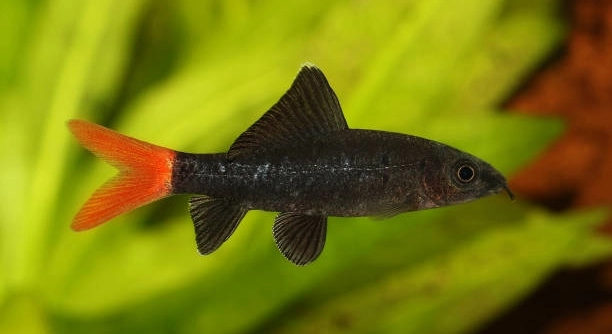
Rainbow Sharks are popular aquarium fish known for their striking colors and active behavior. They can sometimes show signs of loneliness if kept alone or without enough stimulation in their tank. Ensuring their social and environmental needs are met is important for their well-being.
Rainbow Sharks benefit from being housed with compatible tank mates and having plenty of hiding spots and swimming space. Providing a stimulating environment with varied decorations and maintaining stable water conditions helps reduce stress and prevents loneliness.
This article explains practical ways to keep your Rainbow Shark engaged and content in its home aquarium.
Choose Compatible Tank Mates
Rainbow Sharks are territorial fish, especially as they mature. Selecting the right tank mates is essential to avoid stress and aggression. Ideal companions are peaceful, bottom-dwelling species or fast swimmers that occupy different areas of the tank. Avoid housing them with other Rainbow Sharks or similarly shaped fish to reduce conflicts. A community tank with species like Corydoras catfish or danios can provide social interaction without territorial disputes. When introducing new fish, observe behavior closely during the first few weeks to ensure harmony. A balanced community helps your Rainbow Shark feel less isolated and more secure in its environment, which supports healthier behavior and longevity.
Choosing compatible species creates a peaceful environment where your Rainbow Shark can thrive without constant territorial battles. This step reduces stress and keeps your fish engaged.
Proper tank mate selection improves your aquarium’s overall dynamic. A calm, diverse community minimizes stress on your Rainbow Shark, promoting better health and natural behavior. Avoid overcrowding and ensure adequate space for each species to establish its area. Consider the size and temperament of each fish, and keep in mind their different activity levels and preferred tank zones. The right companions not only prevent loneliness but also enrich the aquarium environment. This helps maintain your Rainbow Shark’s vibrant colors and active nature over time. Regularly monitoring fish interactions and adjusting as needed will keep the tank balanced and peaceful.
Provide Adequate Hiding Spots and Decorations
Rainbow Sharks feel safer with places to hide and explore. Adding rocks, caves, plants, and driftwood creates a stimulating habitat where they can retreat when stressed or need privacy. These elements reduce feelings of vulnerability and territorial aggression by offering separate zones within the tank. A well-decorated tank mimics their natural environment, encouraging natural behaviors like exploring and resting. Use smooth decorations to avoid injury, and ensure hiding spots are evenly spread to prevent competition. Regularly rearranging decor can also refresh the environment and keep your fish curious and engaged.
Hiding spots give your Rainbow Shark security and comfort, essential for reducing stress and preventing loneliness. They encourage natural activity patterns.
Decorations do more than beautify your tank; they promote your fish’s well-being by providing safe spaces and reducing boredom. Variety in hiding spots helps your Rainbow Shark choose a preferred refuge, which can lessen territorial disputes. Live plants contribute to water quality and offer additional shelter. Using natural materials encourages exploration and enriches the habitat. Changing or rotating decorations occasionally helps maintain interest and prevent stagnation. These small changes can have a big impact on your Rainbow Shark’s mental health, supporting a more active and vibrant fish in your aquarium.
Maintain Stable Water Conditions
Stable water parameters are crucial for Rainbow Sharks’ health. Frequent fluctuations cause stress and can lead to loneliness as fish become less active or hide more. Keep temperature, pH, and ammonia levels consistent by regular testing and maintenance.
A clean, well-filtered tank supports stable water conditions. Perform partial water changes weekly to remove toxins and replenish minerals. Use a reliable water testing kit to monitor parameters such as pH, ammonia, nitrites, and nitrates. Avoid sudden changes in temperature or chemistry by adjusting slowly if necessary. Proper filtration and aeration help maintain oxygen levels, which are vital for your Rainbow Shark’s energy and activity. Consistent water quality keeps the fish healthy, encouraging natural behavior and social interaction.
Avoid overcrowding the tank, as this can quickly destabilize water quality. Each fish produces waste, so adequate filtration and regular cleaning are essential. Maintaining a stable environment reduces stress-induced hiding and lethargy, which often signal loneliness. A balanced ecosystem with healthy water parameters supports your Rainbow Shark’s overall well-being and happiness.
Provide Varied Diet
Rainbow Sharks need a balanced diet to stay healthy and active. A mix of pellets, flakes, and live or frozen foods offers essential nutrients. Variety keeps feeding interesting and prevents nutritional gaps.
Include high-quality sinking pellets or wafers designed for bottom feeders as the staple diet. Supplement with live or frozen bloodworms, brine shrimp, or daphnia a few times a week to boost protein intake. Fresh vegetables like blanched spinach or zucchini can be offered occasionally for fiber and vitamins. Feeding small amounts multiple times daily mimics natural foraging behavior and keeps your Rainbow Shark engaged. Avoid overfeeding to prevent water pollution, which affects their environment and mood.
A varied diet not only supports physical health but also provides mental stimulation. Feeding time becomes an activity that reduces boredom and encourages natural behaviors. Consistent nutrition enhances coloration and energy levels, helping your Rainbow Shark thrive and feel less isolated in its aquarium space.
Ensure Proper Tank Size
Rainbow Sharks need enough space to swim and establish territory. A tank smaller than 30 gallons can cause stress and aggression, leading to loneliness or hiding behaviors.
A larger tank with ample swimming room allows your Rainbow Shark to explore and interact with its environment comfortably. Adequate space reduces territorial disputes and encourages natural activity, which helps prevent loneliness.
Keep a Consistent Light Cycle
Maintaining a regular light schedule helps regulate your Rainbow Shark’s daily rhythm. A consistent day-night cycle supports healthy behavior and reduces stress.
Use Gentle Filtration
Strong water currents can tire Rainbow Sharks. Choose a filter that provides clean water with gentle flow to mimic their natural habitat.
FAQ
How can I tell if my Rainbow Shark is lonely?
Signs of loneliness in Rainbow Sharks often include lethargy, hiding more than usual, and a lack of interest in food or tank activities. They may also become more aggressive or stressed, showing color fading or erratic swimming. Observing these behaviors early can help you take steps to improve their environment.
Is it better to keep Rainbow Sharks alone or in groups?
Rainbow Sharks are territorial and usually do best with only one individual per tank unless the aquarium is very large. Housing multiple Rainbow Sharks in a small space often leads to fighting. Instead, focus on compatible tank mates that occupy different tank zones to provide social stimulation without conflict.
What tank size is ideal for a Rainbow Shark?
A minimum of 30 gallons is recommended for a single Rainbow Shark to have enough swimming space and to reduce territorial stress. Larger tanks provide better territory distribution and reduce aggression. For multiple fish or community setups, increase the size accordingly.
How often should I clean the tank?
Partial water changes of about 20-25% weekly help maintain water quality and stability. Regularly cleaning the substrate and removing uneaten food prevents toxin buildup. Keeping the tank clean supports your Rainbow Shark’s health and reduces stress, which helps prevent loneliness.
Can Rainbow Sharks live with other bottom dwellers?
Yes, peaceful bottom dwellers like Corydoras catfish or loaches can coexist with Rainbow Sharks. These fish usually occupy different areas and don’t compete directly for territory, which helps reduce stress and loneliness for your Rainbow Shark.
What is the best diet to keep my Rainbow Shark healthy?
A varied diet including sinking pellets, flakes, and occasional live or frozen foods like bloodworms or brine shrimp offers balanced nutrition. Supplementing with vegetables like spinach or zucchini ensures fiber intake. Feeding small amounts multiple times daily mimics natural feeding and keeps your fish active.
How important are hiding places in the tank?
Very important. Hiding spots help Rainbow Sharks feel secure, reduce stress, and prevent territorial disputes. Providing caves, plants, or decorations allows your fish to retreat when needed, promoting natural behavior and helping prevent loneliness.
Can changing the tank decorations help reduce boredom?
Yes, rearranging tank decorations occasionally refreshes the environment and stimulates curiosity. This keeps your Rainbow Shark engaged and prevents boredom, which can lead to stress and loneliness.
What water parameters should I maintain for Rainbow Sharks?
Maintain a temperature between 72-79°F, pH around 6.5-7.5, and low ammonia and nitrites. Stable water conditions reduce stress and promote healthy behavior. Use a quality filter and test water regularly to keep these parameters in check.
How do I prevent aggression in my Rainbow Shark?
Avoid overcrowding and provide enough space and hiding spots. Select compatible tank mates and ensure stable water conditions. Minimizing stress through good care lowers aggression, which helps your Rainbow Shark feel less isolated and more comfortable.
Taking good care of a Rainbow Shark means understanding its needs and creating an environment where it feels comfortable and secure. These fish are active and territorial by nature, so they require enough space, compatible tank mates, and plenty of hiding spots to reduce stress. Maintaining stable water conditions and providing a balanced diet also play key roles in keeping your Rainbow Shark healthy and engaged. When all these factors come together, your fish will be more active and less likely to show signs of loneliness.
Providing a proper tank size is very important. A small tank can make your Rainbow Shark feel cramped and stressed, which leads to aggressive or withdrawn behavior. Giving them enough room to swim and explore helps them express natural behaviors. Along with this, adding decorations such as caves, plants, and rocks creates zones where your fish can hide or rest when needed. These features are not just for looks—they are essential for your Rainbow Shark’s well-being and help reduce feelings of isolation.
Lastly, monitoring your fish regularly is crucial. Paying attention to how your Rainbow Shark acts and looks can help you spot early signs of stress or loneliness. Simple changes in diet, water quality, or tank setup can make a big difference. Caring for these fish requires patience and consistency, but the reward is a vibrant, active Rainbow Shark that thrives in your aquarium. Creating a balanced and stimulating environment is the best way to keep your fish happy and healthy over the long term.

Hello,
If you enjoy the content that we create, please consider saying a "Thank You!" by leaving a tip.
Every little bit helps us continue crafting quality advice that supports the health, happiness, and well-being of pets around the world, for pets of all shapes, sizes, and species.
We really appreciate the kindness and support that you show us!