
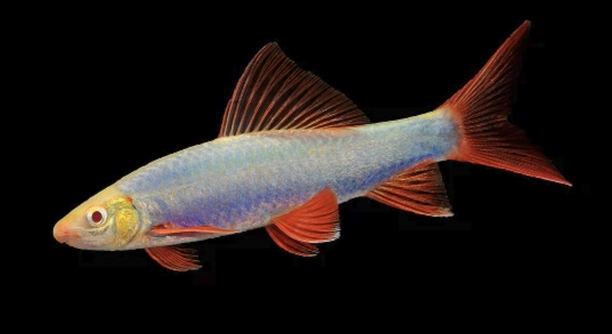
Rainbow Sharks are popular freshwater fish known for their vibrant colors and active behavior. Keeping them safe from injuries is important for their health and well-being. Proper care helps maintain their bright appearance and natural activity.
Preventing injuries in Rainbow Sharks involves maintaining a clean tank environment, providing sufficient hiding spots, avoiding aggressive tank mates, ensuring proper water parameters, handling the fish gently, offering a balanced diet, and monitoring their health regularly. These measures reduce stress and physical harm effectively.
Taking simple precautions can make a big difference in your Rainbow Shark’s safety. These steps will help you create a healthier environment and prevent common injuries in your aquarium.
Maintain a Clean Tank Environment
A clean tank is essential for preventing injuries to your Rainbow Shark. Dirt, waste, and leftover food can cause poor water quality, which weakens the fish and makes it more prone to infections and physical harm. Regular water changes help keep ammonia and nitrate levels low, creating a healthier habitat. Using a good filter ensures debris is removed and the water stays clear. Be careful when cleaning not to disturb the fish too much, as stress can also lead to injuries. Keeping the tank free from sharp decorations or rough surfaces can prevent accidental scrapes or cuts. Regularly inspect the tank for anything that could harm the fish and replace or smooth out those items to avoid injuries. Consistency in maintenance helps your Rainbow Shark stay safe and thrive.
Cleaning the tank once a week with a partial water change is ideal for keeping a healthy environment. Avoid full water changes as they can shock the fish.
Keeping the tank clean not only reduces injury risks but also promotes good health and vibrant colors in your Rainbow Shark. A stable, well-maintained environment minimizes stress and supports the fish’s immune system, helping it recover quickly if minor injuries occur. It also prevents the buildup of harmful bacteria and parasites that can cause infections. Paying attention to the tank’s cleanliness is one of the simplest yet most effective ways to protect your fish and extend its lifespan.
Provide Sufficient Hiding Spots
Hiding places reduce stress and protect your Rainbow Shark from aggression. When fish feel secure, they are less likely to injure themselves or others. Make sure to include caves, plants, or decorations where the fish can retreat if needed. These spots allow them to rest and feel safe within the tank, which supports their overall health and reduces erratic swimming that can cause injuries.
Creating a comfortable and secure environment is key for your Rainbow Shark’s well-being.
Offering multiple hiding spots balances the tank’s social dynamics, especially if you keep several fish. Rainbow Sharks can be territorial, and having safe retreats helps prevent fights and injuries. Plants also improve water quality by absorbing nitrates and provide natural cover. Ensure hiding spots do not overcrowd the tank, as this can reduce swimming space and cause stress. Variety in size and type of shelters benefits fish of different ages and temperaments. With thoughtful placement, these hiding areas enhance both safety and comfort, helping Rainbow Sharks maintain their bright colors and lively behavior.
Avoid Aggressive Tank Mates
Choosing peaceful tank mates helps prevent injuries. Aggressive fish can chase or nip at Rainbow Sharks, causing stress and wounds.
Aggressive fish increase the risk of physical harm and stress in Rainbow Sharks. Constant chasing or territorial disputes lead to torn fins and bruises. Keeping them with calm species reduces these risks. Peaceful tank mates like tetras, danios, or peaceful catfish create a safer environment. Avoid large or overly territorial fish that may provoke fights. Compatibility is key to maintaining harmony in the tank and reducing injuries. Monitoring interactions between fish can help identify and separate aggressive individuals early, preventing harm.
A well-planned community tank reduces injuries and supports peaceful coexistence. When Rainbow Sharks feel safe, they swim calmly, lowering the chances of accidents or stress-related injuries.
Ensure Proper Water Parameters
Maintaining stable water parameters prevents stress and health problems in Rainbow Sharks. Frequent changes or poor water quality lead to injuries. Keep temperature, pH, and hardness within ideal ranges for the species.
Sudden changes in water conditions can weaken your fish’s immune system, making it more vulnerable to infections and injury. Rainbow Sharks thrive in temperatures between 72–79°F (22–26°C), with a pH of 6.5 to 7.5. Regular testing helps track water quality, allowing timely adjustments. Using conditioners to remove chlorine and harmful chemicals is essential. Avoid overcrowding to maintain good oxygen levels and reduce waste buildup. Stability in water conditions is critical; fluctuations can cause stress and aggressive behavior, increasing injury risk. Proper filtration and routine maintenance support these conditions effectively.
Consistent water quality supports overall health, allowing your Rainbow Shark to recover faster from minor injuries. A balanced environment minimizes stress, which is often a hidden cause of physical damage in aquarium fish. Taking the time to monitor and adjust water parameters regularly ensures your fish remain active and healthy without unnecessary harm.
Handle Fish Gently
Handling Rainbow Sharks with care prevents physical injuries. Rough handling can cause scale loss or stress.
Use a soft net and avoid squeezing the fish during transfers. Minimizing handling reduces risk and keeps your Rainbow Shark healthy.
Offer a Balanced Diet
A balanced diet strengthens the Rainbow Shark’s immune system and supports tissue repair. Include high-quality pellets, live or frozen foods like bloodworms, and vegetable matter. Proper nutrition helps maintain strong fins and vibrant colors. Avoid overfeeding, as excess waste can degrade water quality and increase injury risk.
Providing a varied diet ensures your Rainbow Shark receives essential nutrients for overall health. It supports natural behavior and energy levels, reducing stress and vulnerability to injuries.
Monitor Health Regularly
Regularly check your Rainbow Shark for signs of injury or illness. Early detection allows prompt treatment, preventing worsening conditions. Look for torn fins, unusual swimming, or discoloration.
Prompt action helps maintain your fish’s well-being and prevents minor injuries from becoming serious.
FAQ
How can I tell if my Rainbow Shark is injured?
Look for visible signs like torn or frayed fins, discoloration, or open wounds. Unusual behavior such as hiding more than usual, reduced swimming, or loss of appetite may also indicate injury or illness. Early detection is important to prevent complications.
What should I do if my Rainbow Shark gets injured?
Isolate the injured fish in a separate quarantine tank to avoid further harm. Clean the wound gently if possible and maintain excellent water quality. Use aquarium salt or recommended treatments to prevent infections. Monitor closely and consult a vet or fish specialist if the injury worsens.
Can tank decorations cause injuries?
Yes, sharp or rough decorations can scrape or cut Rainbow Sharks. Avoid using jagged rocks, glass shards, or poorly finished ornaments. Smooth decorations and live plants are safer choices. Always inspect new items before adding them to the tank.
How often should I clean the tank to prevent injuries?
Weekly partial water changes of 20-30% are ideal for maintaining water quality without stressing the fish. Regular filter maintenance and gravel vacuuming help remove harmful waste that can weaken fish and increase injury risks.
Are Rainbow Sharks aggressive toward other fish?
Rainbow Sharks can be territorial, especially in smaller tanks. They may chase or nip at other fish, causing injuries. Keeping them with peaceful, similarly sized species and providing enough space and hiding spots helps reduce aggression.
What water parameters are best for Rainbow Sharks?
Ideal temperature is between 72°F and 79°F (22°C to 26°C), with a pH of 6.5 to 7.5. Maintaining stable conditions prevents stress and illness. Use a reliable test kit to monitor parameters regularly and make adjustments as needed.
Is it safe to handle Rainbow Sharks often?
Frequent handling stresses the fish and can cause scale loss or injury. Only handle when necessary, such as during tank cleaning or moving. Use a soft net and avoid squeezing the fish.
What foods are best for Rainbow Sharks to stay healthy?
Provide a varied diet including high-quality pellets, live or frozen foods like bloodworms or brine shrimp, and vegetable matter such as blanched spinach. Balanced nutrition strengthens their immune system and helps heal minor injuries.
Can stress cause injuries in Rainbow Sharks?
Yes, stress weakens the immune system and makes Rainbow Sharks more prone to injuries and infections. Stress may come from poor water quality, aggressive tank mates, overcrowding, or sudden changes in the environment.
How can I reduce stress for my Rainbow Shark?
Maintain clean water, stable temperature, and pH. Avoid overcrowding and aggressive fish. Provide hiding spots and a calm environment. Keep feeding routines consistent. Reducing stress helps prevent injuries and promotes faster healing.
Should I quarantine new fish before adding them to the tank?
Yes, quarantining new fish for at least two weeks helps prevent introducing diseases or parasites that could harm your Rainbow Shark. This step protects all your fish and reduces injury risks from infections.
What signs show my Rainbow Shark is recovering from an injury?
Improved appetite, normal swimming behavior, and healing of wounds or fins indicate recovery. The fish will become more active and regain its vibrant colors as it heals.
Can medication harm my Rainbow Shark?
Some medications can stress or damage Rainbow Sharks if used improperly. Always follow dosage instructions and choose treatments safe for your species. When in doubt, consult a specialist before administering medication.
How important is tank size for preventing injuries?
A spacious tank gives Rainbow Sharks enough room to swim and reduces territorial disputes. Smaller tanks increase stress and chances of injury due to crowding and aggression. A minimum of 30 gallons is recommended for one Rainbow Shark.
Are there specific plants that help protect Rainbow Sharks?
Live plants like Java fern, Anubias, and Amazon sword offer hiding spots and reduce stress. They also improve water quality. Avoid plants with sharp edges that could injure your fish.
What is the best way to introduce new fish to the tank?
Introduce new fish slowly to allow acclimation to water conditions. Use a drip acclimation method if possible. Monitor interactions closely to prevent aggression or stress injuries.
How do I know if water changes are stressing my Rainbow Shark?
Signs include frantic swimming, hiding, or loss of color. Avoid changing too much water at once. Partial water changes are less stressful and maintain stability in the tank’s environment.
Can Rainbow Sharks live with other bottom dwellers?
They can coexist with peaceful bottom dwellers like Corydoras or Otocinclus if there is enough space. Avoid aggressive bottom fish that compete for territory or food, which can cause injury.
What are common injuries in Rainbow Sharks?
Torn fins, scale loss, and scrapes are common due to rough tank surfaces, fighting, or poor handling. Maintaining proper care minimizes these injuries.
How often should I check my Rainbow Shark for injuries?
Daily or every few days is ideal, especially if you notice changes in behavior or tank conditions. Early detection helps prevent minor injuries from becoming severe.
This FAQ covers common concerns about Rainbow Shark care related to injury prevention and health. Following these tips supports a safe and healthy environment for your fish.
Taking care of a Rainbow Shark means paying attention to many details that keep the fish safe and healthy. Preventing injuries is a key part of this care. Injuries can happen from rough tank conditions, aggressive tank mates, or poor water quality. By keeping the tank clean and stable, you reduce the risk of these problems. Regular maintenance and gentle handling also help protect the fish from physical harm. Every small step counts in creating a safe space for your Rainbow Shark to live comfortably.
Providing the right environment is just as important as feeding and cleaning. Hiding spots allow the fish to feel secure and avoid stress from other fish in the tank. A peaceful community of fish helps reduce fights and injuries. Keeping the water temperature and pH within the right range supports the fish’s health and helps it recover if injuries do happen. Monitoring the fish regularly allows for quick action if something goes wrong. This careful attention keeps your Rainbow Shark strong and less vulnerable to harm.
Preventing injuries requires patience and consistency, but the results are worth it. When your Rainbow Shark is healthy, it shows through its vibrant colors and lively behavior. Taking time to learn about its needs and how to meet them benefits both the fish and your enjoyment of the aquarium. A well-maintained tank and careful care routines ensure your Rainbow Shark stays safe, happy, and injury-free. This approach promotes long-term health and a better quality of life for your fish.

Hello,
If you enjoy the content that we create, please consider saying a "Thank You!" by leaving a tip.
Every little bit helps us continue crafting quality advice that supports the health, happiness, and well-being of pets around the world, for pets of all shapes, sizes, and species.
We really appreciate the kindness and support that you show us!