
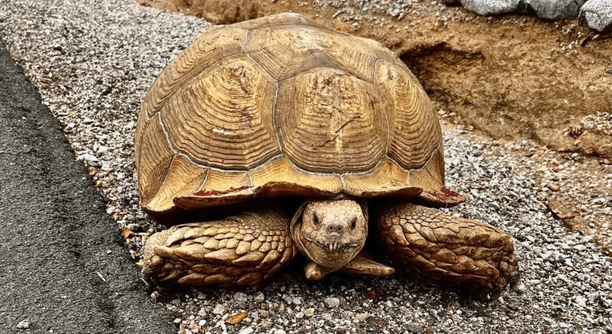
Sulcata tortoises are beloved pets, known for their large size and unique appearance. However, a common issue with these tortoises is pyramiding, a condition where their shells grow in an uneven, pyramid-like shape.
Pyramiding in Sulcata tortoises is usually caused by poor diet, dehydration, and improper habitat conditions. Addressing these factors can help prevent pyramiding and promote healthy, smooth shell growth. The most effective solutions focus on proper care and environmental adjustments.
Maintaining a proper diet and providing enough moisture are key elements in preventing pyramiding. With a little knowledge and attention, you can ensure your Sulcata tortoise thrives. Let’s look at some helpful steps to take.
Provide a Balanced Diet
A proper diet is essential to prevent pyramiding in Sulcata tortoises. These reptiles require a high-fiber, low-protein diet to support healthy shell growth. Too much protein can cause rapid growth that leads to uneven shell development. Offering a variety of leafy greens, hay, and grasses will keep them healthy. Avoid giving them fruits and vegetables too often as these can upset the balance. A mix of dandelion greens, collard greens, and hay should be the staple. If you’re unsure about what to feed, consult a reptile vet to tailor the diet for your tortoise’s needs.
Including calcium and vitamin D3 in their diet also plays a key role in shell development. A calcium supplement can be sprinkled on their food, and access to UVB lighting will help them absorb calcium properly. Be mindful of the amount you’re giving. Too much of either can be harmful. Proper diet and supplementation are fundamental for keeping your Sulcata tortoise’s shell smooth and healthy.
A well-balanced diet will ensure your Sulcata tortoise has all the nutrients it needs. This simple change can make a noticeable difference over time.
Maintain Proper Hydration
Water is crucial for the health of your tortoise. Without enough hydration, their shell growth can become stunted and uneven. Sulcata tortoises tend to come from arid regions, but they still require regular access to fresh water. Place a shallow dish of water in their enclosure, and make sure it’s always clean. It’s important to ensure the water is not too deep, as this could lead to drowning. A regular misting of their habitat also helps provide additional moisture.
Keeping your tortoise hydrated will support smooth shell growth. It is easy to forget that hydration is just as important as diet. Too often, people think of it as secondary, but it has a major effect. It’s essential for overall health and growth.
Offer Plenty of Space to Roam
Sulcata tortoises need space to move around. If their enclosure is too small, they may experience stress, which can affect their shell growth. In the wild, they roam vast areas, so it’s important to replicate that as much as possible. A large enclosure with enough room for them to stretch out and walk helps keep them active and healthy. The more space they have, the better their chances for even, healthy growth.
Enclosures should have a variety of textures, from flat surfaces to rocks and small slopes, to encourage natural behavior. This will help keep them physically and mentally engaged. A space that encourages exploration is crucial for your tortoise’s development. Giving them room to move around will reduce stress and contribute to a smoother shell over time.
It’s important to remember that too small a space can also lead to improper posture. Tortoises who can’t move freely might adopt unnatural positions, which can negatively affect their shell shape. The right size enclosure can go a long way in helping your tortoise thrive.
Keep the Temperature and Humidity Right
Proper temperature and humidity are vital for your Sulcata tortoise’s overall health. Too much heat can dry them out, while too little can cause respiratory problems. The ideal temperature range for Sulcata tortoises is between 85°F and 95°F during the day, with a cooler area at night. Additionally, maintaining humidity levels between 30% and 50% will help your tortoise stay hydrated and support healthy shell growth.
Using a thermostat and humidity monitor ensures the right conditions. Provide a warm basking spot, but also a cooler hide area for your tortoise to retreat to when it needs to cool down. Consistent monitoring of these factors will help avoid any drastic changes in temperature or humidity, which can affect your tortoise’s health. By replicating their natural environment as much as possible, you’ll create an ideal space for them to grow strong and healthy.
Temperature and humidity control can be achieved with the use of heating lamps, ceramic heat emitters, and misting systems. Keep the humidity level steady and avoid over-heating your tortoise’s habitat. Proper conditions will reduce the risk of shell deformities and promote even growth.
Provide UVB Lighting
UVB lighting is essential for Sulcata tortoises to process calcium properly. Without adequate UVB exposure, their shell may develop irregularities. Use a high-quality UVB bulb in their enclosure to mimic the natural sunlight they would receive in the wild. Replace the bulbs regularly, as their UVB output decreases over time.
Ensure the UVB light is placed properly, not too far from your tortoise, so they can absorb the rays. It should be positioned directly above their basking area. Keep the light on a schedule, turning it off at night to mimic natural day-night cycles. Regular exposure to UVB is vital for strong, healthy shells.
UVB lighting also helps to prevent metabolic bone disease, a common condition in reptiles that can lead to deformities. By providing proper lighting, you’re helping to keep your tortoise’s bones and shell strong, contributing to its overall well-being.
Avoid Overfeeding
Overfeeding can lead to rapid growth in your Sulcata tortoise, which may cause shell deformities like pyramiding. Stick to a consistent feeding schedule and avoid offering too much food, especially high-protein foods like meat or dairy. Feeding your tortoise more than it needs can create an imbalance.
A good rule of thumb is to provide enough food to last your tortoise for the day. Offer fresh greens and hay, but be mindful of portion sizes. Overfeeding not only affects shell growth but can also lead to obesity, which strains their overall health. Healthy portions are key for longevity.
Be Mindful of Substrate Choices
The substrate you choose for your Sulcata tortoise’s enclosure can impact its health and shell growth. Avoid sand, as it can cause impaction if ingested, leading to digestive problems. Opt for safer options like organic soil, grass hay, or a mix of coconut coir and sand in small amounts.
FAQ
What causes pyramiding in Sulcata tortoises?
Pyramiding is typically caused by a combination of factors including improper diet, lack of hydration, insufficient UVB light, and poor habitat conditions. Too much protein in their diet can lead to rapid growth, which results in an uneven shell. Dehydration can also cause shells to grow abnormally, and without UVB light, the tortoise may have difficulty processing calcium, which is crucial for shell development. A small, confined space can lead to stress, impacting the overall growth and shape of the shell.
How can I prevent pyramiding in Sulcata tortoises?
To prevent pyramiding, start by ensuring your tortoise has a balanced diet rich in fiber and low in protein. Make sure your tortoise has constant access to clean water and maintains proper hydration levels. Provide a large enough enclosure with enough space for movement and natural behavior. UVB lighting is essential for calcium absorption, so invest in quality UVB bulbs and replace them regularly. Consistent temperature and humidity levels also play a key role in preventing pyramiding by supporting healthy growth.
Can pyramiding be fixed?
Once pyramiding has occurred, it cannot be fully reversed, but it can be managed. The shape of the shell may continue to be uneven, but with the right diet, hydration, and habitat conditions, the tortoise can live a healthy life. Prevention is always the best solution, but providing the correct environment can prevent further deformities from developing. Monitoring your tortoise’s health with a vet and maintaining a proper care routine will help reduce the risk of additional growth issues.
Is it necessary to supplement my tortoise’s diet?
Yes, it is important to supplement your Sulcata tortoise’s diet with calcium, especially if it is not getting enough from its food. A calcium supplement will support the health of its shell and bones. Make sure to use a reptile-specific supplement that also includes vitamin D3, which helps in calcium absorption. Be sure to follow dosage instructions carefully, as too much calcium or vitamin D3 can cause harm. It’s always a good idea to consult with a reptile vet to determine the best supplementation for your tortoise.
What kind of enclosure does my Sulcata tortoise need?
Sulcata tortoises need a large enclosure that mimics their natural environment. The space should allow for plenty of movement, as a cramped area can cause stress and hinder healthy growth. The enclosure should be large enough for them to walk around freely, with various textures such as rocks or slopes to encourage natural behavior. A proper enclosure should also have a warm basking area, a cooler hide spot, and a water dish that is shallow enough for them to drink from without risk of drowning.
How often should I bathe my Sulcata tortoise?
Bathing your Sulcata tortoise once or twice a week can help maintain hydration and overall health. Use a shallow dish of lukewarm water to soak them for about 15 to 20 minutes. Avoid using cold or hot water, as it could cause stress or harm. Bathing also helps keep their skin clean and may encourage them to drink more water, which is essential for preventing dehydration and supporting shell health.
What is the ideal temperature and humidity for Sulcata tortoises?
Sulcata tortoises thrive in temperatures ranging from 85°F to 95°F during the day, with a slight drop at night. It’s important to provide a basking area that is warmer, around 100°F, while keeping the cooler side of the enclosure at about 75°F. Humidity should be kept between 30% and 50%. Too high humidity can cause respiratory issues, while too low can cause dehydration. Maintaining the right balance of both temperature and humidity is crucial for your tortoise’s overall well-being.
Can Sulcata tortoises live outside year-round?
Yes, Sulcata tortoises can live outside year-round, provided the climate is warm enough and you take precautions to ensure they are safe. These tortoises are native to hot, dry environments and can tolerate higher temperatures, but they should have access to shelter to protect them from extreme weather, like heavy rain or cold temperatures. If you live in an area with winter conditions, it may be necessary to bring your tortoise inside or provide a heated enclosure to maintain a stable temperature.
Why is UVB lighting so important for Sulcata tortoises?
UVB lighting is essential for Sulcata tortoises because it helps them process calcium, which is vital for shell development and bone health. Without UVB light, your tortoise cannot absorb calcium properly, leading to weak bones and abnormal shell growth. Inadequate UVB exposure can result in conditions like metabolic bone disease. Installing a proper UVB light in your tortoise’s habitat ensures they get the necessary exposure to stay healthy.
What should I do if my tortoise’s shell is becoming soft or weak?
If your Sulcata tortoise’s shell is soft or weak, this is often a sign of calcium deficiency or poor shell care. First, check the lighting and diet to make sure they’re getting proper UVB exposure and calcium. You may need to supplement their diet with a calcium powder that contains vitamin D3 to aid absorption. Additionally, assess the temperature and humidity levels in their habitat to ensure they are optimal. If the problem persists, consult a vet for further advice and treatment.
How can I tell if my tortoise is dehydrated?
Signs of dehydration in Sulcata tortoises include sunken eyes, dry skin, lethargy, and a lack of appetite. If you notice these symptoms, it’s important to increase their water intake. Provide a shallow dish of fresh water and bathe your tortoise regularly to help it hydrate. Dehydration can lead to serious health issues, including pyramiding, so it is crucial to address it quickly. If you are concerned, a visit to the vet can ensure your tortoise receives the proper care.
Final Thoughts
Caring for a Sulcata tortoise involves more than just feeding and providing shelter. Their shells are an important aspect of their health, and preventing pyramiding is crucial. By paying attention to their diet, hydration, and environment, you can help ensure that they grow up healthy and strong. It’s a process that requires consistency, as the proper care over time will make a big difference in the long run. Remember, a well-balanced diet with the right amount of fiber, calcium, and hydration is essential for maintaining a smooth shell.
It’s also vital to provide a spacious and stimulating environment for your tortoise. These creatures need plenty of room to roam and explore. Keeping their enclosure large and comfortable, with the right temperature, humidity, and UVB lighting, will go a long way in preventing health problems, including pyramiding. It’s easy to overlook small details, but making sure that their habitat closely resembles their natural environment is one of the best things you can do. Tortoises thrive when they can move around, bask in warmth, and access water easily.
Finally, prevention is always easier than treatment. If you follow the recommended guidelines for diet, hydration, habitat conditions, and general care, you will significantly reduce the chances of pyramiding and other health issues. Regularly checking their growth, observing their behavior, and adjusting care as needed will keep your Sulcata tortoise happy and healthy. Keep in mind that maintaining a stable and suitable environment isn’t just for the tortoise’s shell; it’s for their overall well-being. By offering consistent care and attention, you’ll ensure your tortoise lives a long, healthy life.

Hello,
If you enjoy the content that we create, please consider saying a "Thank You!" by leaving a tip.
Every little bit helps us continue crafting quality advice that supports the health, happiness, and well-being of pets around the world, for pets of all shapes, sizes, and species.
We really appreciate the kindness and support that you show us!