
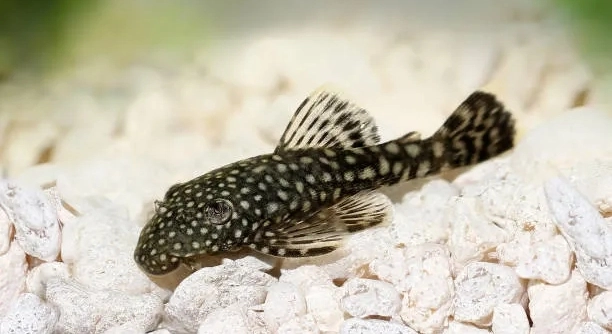
To maintain a healthy aquarium, it’s important to prevent overgrowth in a pleco tank. Overgrowth can cause complications and negatively impact the tank environment. Understanding the causes behind it will allow you to take proper action.
Proper filtration, regular water changes, and careful tank maintenance are the key factors in preventing pleco tank overgrowth. Overfeeding and insufficient cleaning can contribute to excessive algae and debris buildup, creating an unhealthy environment for your fish.
Addressing these factors will help you maintain a balanced tank, leading to healthier plecos and a cleaner environment overall. Keep reading to learn how.
Proper Filtration
One of the most important steps in preventing pleco tank overgrowth is ensuring your filtration system is up to par. A good filter helps keep the water clean by removing excess waste, debris, and algae. It’s essential to choose a filter that matches the size of your tank and provides adequate flow. Plecos produce a fair amount of waste, so a strong filtration system will help prevent harmful buildup. Check your filter regularly to ensure it’s working correctly, and clean it when needed to avoid clogging. A clogged filter will not be effective and could lead to overgrowth issues.
A proper filtration system will create a more stable environment for your plecos. By removing debris before it settles, you can prevent algae growth and other unwanted buildup. A strong filter also supports a healthy ecosystem for all tank inhabitants.
Along with filtration, don’t forget to monitor the water quality. Regular testing for ammonia, nitrate, and pH levels can help detect any early signs of trouble. Even with the best filtration, water chemistry can affect the overall balance. Make adjustments as needed to maintain an optimal environment for your plecos.
Regular Water Changes
Water changes are vital to maintaining a clean and healthy tank. In a pleco tank, where waste levels can increase quickly, regular water changes can prevent an overgrowth of algae and bacteria.
When doing water changes, aim for about 25-30% of the water every 1-2 weeks. This reduces the build-up of waste and prevents excess nutrients in the water. Over time, these nutrients can fuel unwanted growth.
By staying on top of your water changes, you’re keeping your plecos happy and reducing the risk of an overgrown tank. Regular maintenance is a simple yet effective step in the long-term care of your aquarium.
Avoid Overfeeding
Overfeeding your plecos can quickly lead to tank overgrowth. Leftover food can decay and provide nutrients for algae and other unwanted growths. Stick to feeding your plecos small amounts that they can consume within a few minutes. Remove any uneaten food after feeding to prevent waste buildup.
A balanced feeding schedule is key to maintaining a healthy tank. Overfeeding creates an excess of organic matter in the water, which encourages algae and bacterial growth. To avoid this, consider feeding your plecos once a day and adjusting the portion based on their consumption. Less is often more.
Be mindful of the types of food you offer. High-protein foods or rich foods can contribute to nutrient imbalances in the tank, further promoting overgrowth. Stick with a variety of foods, including algae wafers, vegetables, and occasional protein. Offering a balanced diet helps ensure your plecos remain healthy without adding to the overgrowth problem.
Tank Size and Stocking Levels
Choosing the right tank size for your plecos is essential in preventing overgrowth. Overcrowding a tank can lead to excess waste and an imbalance in water quality, which encourages overgrowth of algae and bacteria. A larger tank provides more space for plecos and other fish to thrive, reducing waste buildup.
When selecting a tank, always account for the adult size of your plecos. Larger species, like the common pleco, can grow to over a foot in length and require more room. Stocking your tank with too many fish can also lead to higher waste levels and make it difficult to maintain clean water.
Keep your stocking levels within reasonable limits based on your tank size. Proper spacing between fish ensures better water circulation, reduces waste accumulation, and helps prevent the conditions that lead to overgrowth. It’s crucial to avoid adding too many plecos or other fish, as the added organic load can overwhelm the filtration system and other tank maintenance efforts.
Proper Lighting
Lighting plays a key role in controlling algae growth. Too much light can fuel excessive algae bloom, creating an overgrown tank. It’s best to provide a consistent, moderate light cycle of about 8-10 hours a day to avoid promoting unwanted growth.
Make sure to use a timer for the lights to regulate the day-night cycle. Overexposure to light can cause your tank to overheat, which also contributes to algae growth. If your tank is placed in direct sunlight, consider relocating it to avoid natural light exposure. Finding the right balance is crucial.
If you notice algae buildup despite controlling the light, adjust the intensity or duration. Often, reducing the amount of light can significantly slow down algae growth, leading to a healthier tank environment. Consistent lighting management can be one of the simplest and most effective solutions.
Tank Decoration and Maintenance
Regularly cleaning your tank decorations is essential for preventing overgrowth. Algae and other organic material can quickly accumulate on surfaces like rocks, driftwood, and plants. Wipe down these items regularly to remove any buildup.
Clean your decorations with a soft brush or sponge during water changes to prevent growth from taking hold. Avoid using harsh chemicals, as they can harm your plecos and the tank’s ecosystem. It’s also important to inspect plants for signs of algae, as they can often trap organic matter.
By maintaining your tank decorations, you reduce the overall available surfaces for algae and bacteria to grow. Keeping these areas clean ensures a healthier environment for your plecos.
Regular Monitoring
Monitoring water quality and overall tank health is crucial in preventing overgrowth. Regularly testing for key parameters, such as ammonia, nitrate, and phosphate levels, will help you spot any potential issues early. High nutrient levels encourage algae and unwanted growth.
Keep a checklist to track water changes, filter maintenance, and testing intervals. If water quality is off, it’s best to make adjustments right away. Overlooking small changes in water quality can quickly lead to bigger problems like overgrowth. Regularly testing your tank helps maintain balance.
FAQ
What is the best filter for a pleco tank?
The best filter for a pleco tank depends on the size of the tank and the number of plecos. A powerful canister filter is usually recommended for larger tanks, as it can handle the high waste levels plecos produce. For smaller tanks, a hang-on-back filter may suffice. The key is ensuring the filter is capable of processing the water efficiently without being too strong for the plecos.
How often should I change the water in a pleco tank?
Water changes in a pleco tank should be done every 1-2 weeks, aiming to replace about 25-30% of the water. More frequent changes may be needed if the tank is heavily stocked or if there is a noticeable buildup of waste or algae. Regular water changes help maintain water quality and prevent overgrowth.
Can plecos live with other fish without causing overgrowth?
Yes, plecos can live with other fish, but care should be taken with stocking levels. Overcrowding can lead to excessive waste, which contributes to overgrowth. It’s important to choose tank mates that won’t compete excessively for resources and ensure the tank has sufficient space and filtration.
How do I prevent algae from growing on tank decorations?
To prevent algae buildup on tank decorations, regularly clean them with a soft brush or sponge. Avoid using harsh chemicals that can harm your plecos. During water changes, check for algae and wipe it off surfaces. Maintaining a proper light cycle and controlling water quality also help reduce algae growth on decorations.
What can I feed my pleco to help prevent overgrowth in the tank?
Feeding your pleco in moderation is key to preventing overgrowth. Offer a balanced diet consisting of algae wafers, vegetables like zucchini and cucumber, and occasional protein sources like shrimp. Avoid overfeeding, as uneaten food can decay, leading to excess nutrients in the tank. Make sure to remove any uneaten food after a few hours.
Are there any specific plants that help reduce overgrowth in a pleco tank?
Certain plants, like Anubias, Java Fern, and Marimo Moss Balls, can help reduce overgrowth by absorbing excess nutrients from the water. These plants act as natural filters, preventing algae and other growths by competing for nutrients. Be sure to regularly trim and clean plants to avoid them becoming overrun with algae.
How do I manage pleco tank overgrowth if I’m already experiencing issues?
If your tank is already suffering from overgrowth, start by performing a significant water change to reduce nutrient levels. Clean your filter and decorations, then adjust your lighting schedule to avoid excess exposure. Make sure to remove any excess waste or food that could be contributing to the problem. Adjust your feeding routine to prevent overfeeding, and monitor water quality closely to avoid further overgrowth.
How can I tell if my pleco tank is overgrown?
Signs of an overgrown tank include visible algae covering surfaces, decorations, and plants, as well as poor water quality. You might also notice a rise in ammonia or nitrate levels, and the tank may start to smell unpleasant. If the plecos appear stressed or unhealthy, it could be a sign that the tank’s balance is off.
What lighting schedule should I follow for a pleco tank to prevent overgrowth?
A lighting schedule of 8-10 hours a day is ideal to prevent excessive algae growth. Avoid leaving the lights on too long, as prolonged exposure to light can trigger algae blooms. If your tank is in direct sunlight, consider relocating it to avoid natural light exposure, which can also promote overgrowth.
Can I use algae eaters alongside plecos to prevent overgrowth?
Algae eaters can help reduce algae buildup, but they should not be relied upon as the sole method of preventing overgrowth. While plecos are excellent algae eaters, adding species like Siamese algae eaters or Nerite snails can further assist in keeping algae levels down. However, proper tank maintenance, water changes, and filtration are still necessary for preventing overgrowth.
How do I manage pleco tank overgrowth without removing fish?
If you want to manage overgrowth without removing fish, focus on improving filtration, water changes, and feeding habits. Increase the frequency of water changes to reduce nutrient buildup, clean decorations, and monitor your pleco’s diet. Consider adding live plants to help absorb excess nutrients and maintain a balanced tank ecosystem.
Are there any special tips for maintaining a healthy pleco tank with live plants?
To maintain a healthy pleco tank with live plants, ensure that your plecos are not overgrazing or uprooting the plants. Choose hardy plants like Java Fern and Anubias, which can tolerate plecos’ nibbling. Regularly trim plants and remove dead leaves, as decaying organic matter can contribute to overgrowth. Keep a close eye on water parameters and adjust lighting accordingly to promote healthy plant growth while avoiding excessive algae growth.
Final Thoughts
Maintaining a pleco tank can be challenging, especially when dealing with overgrowth. However, with proper care, it is entirely possible to keep your tank in balance. The key is focusing on regular maintenance, such as water changes, proper lighting, and keeping the tank decorations clean. Over time, adjusting your feeding routine and monitoring water quality will help ensure the health of your plecos while preventing excess growth in the tank.
It’s also important to remember that your plecos play a big role in keeping the tank clean. While they may help with algae, they cannot do it all. Regular monitoring and adjustment of your tank’s conditions are essential to create a healthy environment. A combination of good filtration, appropriate tank mates, and a balanced ecosystem will help manage overgrowth more effectively. By staying consistent with tank upkeep, you can prevent issues before they become overwhelming.
Finally, achieving a healthy, well-maintained tank with happy plecos is a continuous process. You may not see instant results, but small changes over time can make a big difference. Stay on top of the essentials, be patient, and remember that a little bit of extra effort goes a long way in keeping your pleco tank thriving.

Hello,
If you enjoy the content that we create, please consider saying a "Thank You!" by leaving a tip.
Every little bit helps us continue crafting quality advice that supports the health, happiness, and well-being of pets around the world, for pets of all shapes, sizes, and species.
We really appreciate the kindness and support that you show us!