
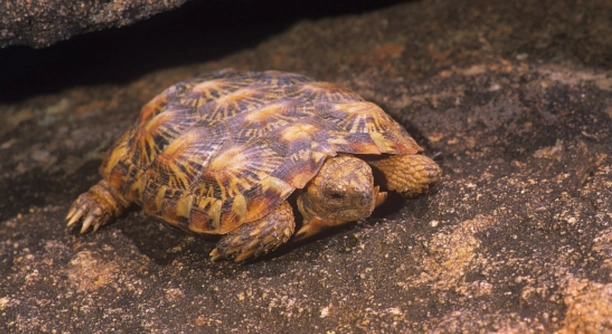
Pancake tortoises are unique creatures with specific care requirements. One of the main challenges in keeping them healthy is preventing overheating, which can lead to stress and health issues. Managing their temperature is key to their well-being.
To prevent overheating in pancake tortoises, ensure they have access to shaded areas, use proper enclosure ventilation, and regulate the temperature using reliable heating equipment. Offering hiding spots and monitoring humidity levels also helps avoid heat stress.
By keeping these precautions in mind, you can create an environment that supports their natural habitat and promotes their health.
Provide Shaded Areas
Pancake tortoises are naturally found in warm, dry environments, but they still need areas of shade to stay cool. Without proper shade, they can quickly become overheated, leading to dehydration and stress. In the wild, they take refuge under rocks or foliage to escape the sun’s direct heat. It’s important to recreate these shaded spots within their enclosures. You can achieve this by adding rocks, logs, or other objects that provide cover. Ensure that the shaded areas are large enough for them to retreat to when they need a break from the sun. These shelters will allow them to maintain a comfortable body temperature.
Offering shaded areas in their enclosure is one of the easiest ways to keep your pancake tortoises safe from heat. By mimicking the natural conditions of their habitat, they’ll feel more secure and comfortable.
Tortoises tend to hide when they get too warm, so having shaded areas in their living space is crucial. They should always have the choice to move in and out of shade freely. Setting up shaded spots in the enclosure will help prevent excessive exposure to the sun. Avoid placing them in areas where the sun is too direct for extended periods. It is also essential to monitor the temperature around these shaded spaces. You can use a thermometer to track the temperature and adjust accordingly. This way, you ensure the environment remains within an ideal range for your tortoises.
Proper Ventilation
Good ventilation is essential in preventing overheating. If their enclosure doesn’t have proper airflow, the air can become stagnant and trap heat. When the temperature rises, they won’t be able to cool down, which can result in health problems.
Make sure that the enclosure has a ventilation system that allows fresh air to circulate. Proper airflow ensures that the temperature inside the enclosure doesn’t exceed a tolerable level, especially during the hotter months. Openings, mesh walls, or small fans can help with this. Be sure that ventilation doesn’t lead to excessive drafts, as that can create sudden temperature fluctuations. It’s about finding a balance.
Good airflow also helps maintain a more stable humidity level. Without ventilation, humidity can build up and cause mold or other health issues for the tortoises. Regularly check the air circulation within their enclosure and make adjustments as needed. Proper ventilation keeps the enclosure at a steady temperature, providing a healthy space for your pancake tortoises.
Use Reliable Heating Equipment
Proper heating equipment is necessary for your pancake tortoises, but it needs to be monitored carefully. A heat lamp or ceramic heater can help maintain the right temperature, but using unreliable or outdated equipment can lead to overheating. Choose reliable, thermostatically controlled heating sources to keep their environment consistent. Make sure to position the heat source in a way that creates a gradient of temperatures, allowing your tortoises to regulate their body heat.
Using a quality thermostat along with your heating equipment will prevent overheating by maintaining a stable temperature. Set up the heat source in one corner to provide a warmer area and leave the other side cooler. This creates a temperature gradient that gives your tortoises the ability to move to a cooler part of their enclosure when needed. Ensure the heat source is not too close to the tortoises’ resting areas, and use a thermometer to monitor the temperature regularly.
Overheating can occur quickly if the heating equipment is not properly controlled. A reliable thermostat is an essential tool in preventing this. Without it, your tortoises could be exposed to fluctuating temperatures that lead to stress or dehydration. It’s essential to have your heating equipment calibrated and inspected frequently to avoid issues. Regular maintenance checks will ensure the equipment operates smoothly, keeping your tortoises safe and comfortable. Investing in good quality heat sources and monitoring devices is an easy but crucial step in maintaining a healthy environment.
Offer Hiding Spots
Pancake tortoises enjoy having places to hide, especially when they are feeling stressed or overheated. Adding hiding spots to their enclosure will help them stay cool by offering a retreat from the heat. These shelters create a safe space for them to relax, reducing the likelihood of overheating.
Providing hiding spots is also essential for their well-being, as they are naturally shy and prefer solitude. You can use rocks, hollow logs, or other materials to create a variety of hiding options. Ensure that the spots are large enough for the tortoises to retreat into comfortably, but not so large that they feel unsafe.
If your tortoises have access to various hiding spots, they will have more control over their environment. They can choose when to come out and soak up the heat or stay hidden until they feel it’s safe. Providing these spaces also helps reduce stress, as tortoises can retreat and feel secure. By giving them these options, you are not only helping them stay cool, but you’re also giving them a way to thrive in captivity.
Monitor Humidity Levels
Humidity plays a key role in keeping pancake tortoises healthy. Too little humidity can lead to dehydration, while too much can create an environment that’s too warm and uncomfortable. It’s important to monitor the humidity levels regularly.
A humidity range of 40% to 60% is ideal for pancake tortoises. Use a hygrometer to measure the humidity inside their enclosure and adjust as needed. Misting the enclosure lightly or using a humidity box can help regulate moisture levels. Keeping track of this will help your tortoises stay in a comfortable environment.
Proper humidity also helps your tortoises digest food and maintain healthy skin. If humidity levels drop too low, they may suffer from skin shedding issues. High humidity can make them feel too warm, so you must find a balance. Regular checks and adjustments will ensure their environment stays comfortable year-round.
Avoid Excessive Heat Exposure
Prolonged exposure to excessive heat can cause pancake tortoises serious stress. Ensure that they have access to cool, shaded areas during the hotter parts of the day. Constant high temperatures may lead to overheating.
Monitor the temperatures inside their enclosure and avoid placing them in areas where they are exposed to direct, harsh sunlight for too long. A consistent environment helps them avoid heat stress.
FAQ
How can I tell if my pancake tortoise is overheating?
Overheating in pancake tortoises can manifest through signs like lethargy, excessive panting, or a loss of appetite. If you notice these behaviors, it’s important to act quickly. Check the temperature in their enclosure, and provide them with a cooler area to retreat to. Overheated tortoises may also seek shelter and become more withdrawn. Monitoring their environment regularly will help prevent this.
What is the best temperature range for a pancake tortoise’s enclosure?
The ideal temperature range for pancake tortoises is between 75°F and 85°F (24°C to 29°C) during the day, with a slight drop at night. They need a heat gradient, with one area of the enclosure warmer and another cooler, so they can regulate their body temperature. Using a thermometer will help you keep track and make sure they’re not exposed to excessive heat or cold.
Should I use a heat lamp for my pancake tortoise?
Yes, using a heat lamp can be helpful in maintaining the proper temperature for your pancake tortoise. Make sure the lamp is positioned in one area of the enclosure to create a heat gradient. This allows your tortoise to move to a cooler spot if needed. Be sure to monitor the temperature to avoid overheating.
Can I use a UVB light for my pancake tortoise?
UVB lighting is beneficial for pancake tortoises as it helps them synthesize vitamin D3, which is crucial for calcium absorption. Use a UVB light in combination with a heat source to create a natural day-night cycle. Keep the UVB light on for about 10-12 hours a day, and ensure it’s positioned correctly for maximum exposure.
How often should I mist the enclosure to control humidity?
You should mist the enclosure lightly every day or as needed to maintain a humidity level of 40% to 60%. Be careful not to overdo it, as too much humidity can make the environment too warm and uncomfortable. A hygrometer is a helpful tool to measure the moisture levels and adjust accordingly.
What’s the best way to create a shaded area for my pancake tortoise?
You can create shaded areas using natural materials like rocks, logs, or plants. These not only give your tortoise a place to hide from the heat but also mimic their natural habitat. Make sure the shaded spots are spacious enough for them to retreat to when they need relief from the sun.
Is it okay to place my pancake tortoise in direct sunlight for long periods?
No, direct sunlight for extended periods is not ideal for pancake tortoises. While they enjoy warmth, prolonged exposure to direct sunlight can cause overheating and dehydration. Create shaded spots within their enclosure to allow them to move between warm and cool areas, and keep an eye on the temperature to prevent stress.
How can I prevent the enclosure from getting too hot during the summer?
During the summer, ensure that the enclosure is placed in a shaded area away from direct sunlight. You can also use fans or increase ventilation to help keep the air circulating. If temperatures rise too high, consider moving your tortoise to a cooler part of your home or using cooling pads to regulate the heat.
Should I add extra water for humidity control in the enclosure?
Adding water dishes can help maintain humidity, but it’s important to avoid creating a pool of water that your tortoises might accidentally fall into. A shallow water dish for drinking is great, but for humidity control, consider placing damp moss or using a humidity box to regulate moisture levels without creating standing water.
Can I use an air conditioner to cool down the enclosure?
An air conditioner can be effective if the room is too warm, but it’s essential not to cool the area too much. Pancake tortoises thrive in warm conditions, and a drastic drop in temperature could lead to other health issues. If using an air conditioner, make sure the enclosure’s temperature stays within the proper range.
How often should I check the temperature and humidity in the enclosure?
You should check the temperature and humidity in the enclosure daily, especially during warmer months. Keeping track of these levels ensures that your tortoises are in a safe and comfortable environment. Use a thermometer and hygrometer to get accurate readings, and make adjustments as needed to keep conditions stable.
What should I do if my pancake tortoise shows signs of heat stress?
If your tortoise is showing signs of heat stress, immediately move it to a cooler, shaded area. Ensure that the temperature in the enclosure is within the recommended range, and provide access to fresh water. Monitoring your tortoise’s behavior closely will help you catch any early signs of distress before it becomes a problem.
Final Thoughts
Keeping a pancake tortoise requires attention to their specific needs, especially when it comes to regulating their temperature and environment. These tortoises are sensitive to extreme heat, and providing the right conditions is key to ensuring their well-being. By maintaining shaded areas, proper humidity, and a safe temperature range, you can create an environment that supports their natural behaviors and helps them thrive. Monitoring the temperature regularly and adjusting it as needed will prevent overheating and stress, making it easier to care for your tortoise.
It’s also important to consider their comfort by offering hiding spots where they can retreat when they feel overwhelmed or too warm. Pancake tortoises are naturally shy and prefer having a safe space to relax. Including natural elements like rocks and logs in their enclosure will mimic their habitat, allowing them to feel secure. Ventilation also plays a significant role in maintaining a stable environment, preventing stagnant air that can trap heat. The right balance of humidity and temperature will create a space where your tortoise can live comfortably.
By following these steps and being proactive about their care, you will not only keep your pancake tortoises from overheating but also ensure they lead healthy, happy lives. Consistency is important, as small changes can have a big impact on their well-being. Keep track of temperature and humidity, and always provide plenty of opportunities for your tortoises to cool down when needed. With the right environment and attention, you can avoid common issues and give your pancake tortoises the care they deserve.

Hello,
If you enjoy the content that we create, please consider saying a "Thank You!" by leaving a tip.
Every little bit helps us continue crafting quality advice that supports the health, happiness, and well-being of pets around the world, for pets of all shapes, sizes, and species.
We really appreciate the kindness and support that you show us!